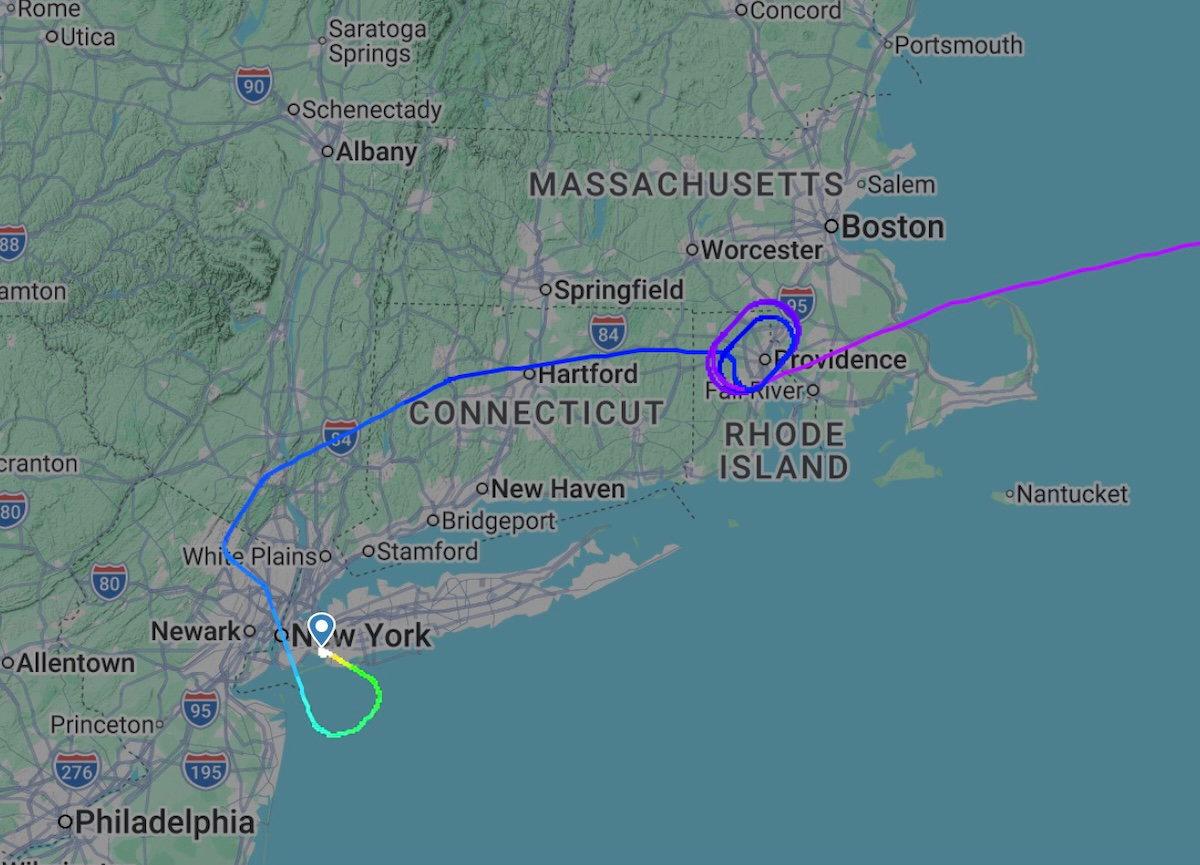
EL AL Boeing 777 Pilots To JFK ATC: “We Don’t Have Fuel And Cannot Go Around”
Companies Mentioned
Why It Matters
The episode exposes how delayed fuel‑emergency declarations can jeopardize safety and strain ATC resources, prompting regulatory scrutiny of airline procedures. It underscores the critical need for timely, transparent communication between pilots and controllers.
Key Takeaways
- •EL AL 777 declared minimum fuel only after ATC warning
- •Flight LY19 spent 30+ minutes holding over Rhode Island
- •Pilots failed to request emergency fuel handling before landing
- •Incident underscores strict FAA fuel‑emergency reporting rules
- •Potential FAA investigation into EL AL’s fuel‑management procedures
Pulse Analysis
The May 20 incident at New York’s JFK airport puts a spotlight on a rare but serious breakdown in pilot‑ATC communication. After a 30‑minute hold over Rhode Island—a common flow‑control measure for trans‑Atlantic arrivals—the EL AL Boeing 777 slowed below the assigned speed. When the tower asked the crew to increase airspeed, the pilots responded that they were low on fuel and could not execute a go‑around, only then stating a minimum‑fuel condition. Although the aircraft touched down without incident, the delayed declaration runs counter to established FAA guidance, which requires pilots to announce fuel‑related emergencies as soon as reserves dip below the minimum required for a safe approach.
FAA regulations distinguish between “minimum fuel,” a warning that any further delay could become hazardous, and “emergency fuel,” which demands immediate priority handling. In practice, airlines build a buffer of at least 30‑45 minutes of reserve fuel for long‑haul routes like Tel Aviv‑JFK. The extra 30‑plus minutes of holding, combined with a circuitous approach, eroded that buffer, yet the crew did not communicate the shortfall until the last moment. Such a lapse can force controllers to re‑sequence traffic, increase workload, and potentially compromise safety margins for other aircraft in the vicinity.
For the broader industry, the event serves as a cautionary tale about fuel‑management discipline and the cultural importance of early, transparent reporting. Regulators may scrutinize EL AL’s operational procedures, and other carriers could revisit training to reinforce the urgency of declaring fuel emergencies. Ultimately, maintaining rigorous communication standards protects both passengers and the congested airspace surrounding major hubs like JFK, reinforcing the aviation sector’s commitment to safety and reliability.
EL AL Boeing 777 Pilots To JFK ATC: “We Don’t Have Fuel And Cannot Go Around”
Comments
Want to join the conversation?
Loading comments...