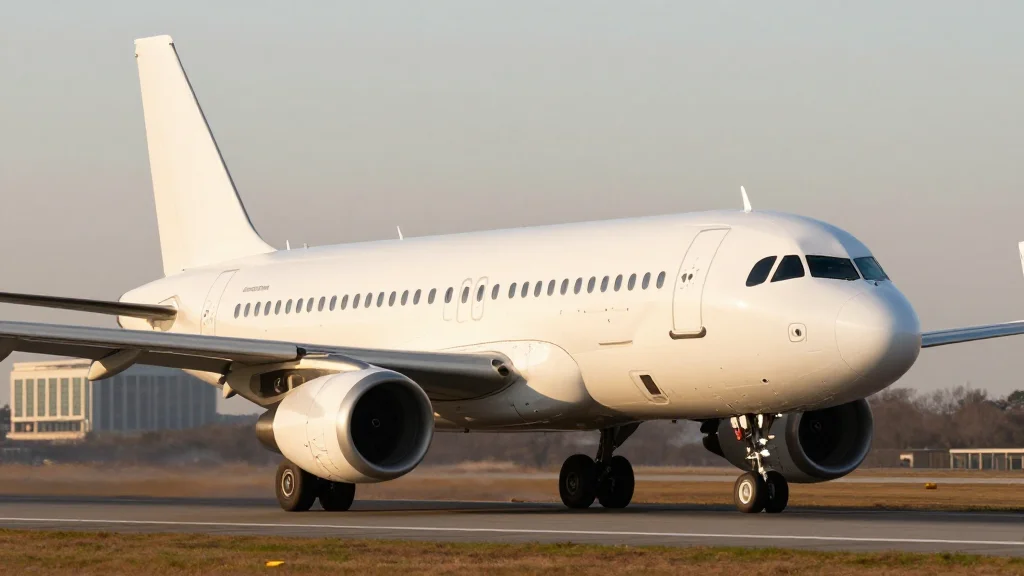
El Al Israel Airlines to Wet Lease Two A320-200s
Companies Mentioned
Why It Matters
The wet‑lease bolsters El Al’s operational flexibility, enabling it to meet seasonal demand and offset fleet gaps while preserving cash flow. It signals a broader shift among Israeli airlines toward ACMI solutions to navigate regulatory and capacity challenges.
Key Takeaways
- •El Al adds two A320‑200s via wet lease to boost summer capacity
- •Wet lease includes crew, maintenance, and insurance, reducing operational risk
- •Lease helps offset grounding of older Boeing 737s pending upgrades
- •Expected to generate additional $150 million in revenue by 2027
- •Demonstrates trend of Israeli carriers using ACMI to meet seasonal demand
Pulse Analysis
El Al’s decision to wet‑lease two Airbus A320‑200s reflects a strategic response to a constrained fleet environment. The Israeli carrier has been retiring or refurbishing its aging Boeing 737 fleet to meet new cabin‑layout standards and regulatory requirements. By opting for a wet lease—where the lessor supplies aircraft, crew, maintenance, and insurance—El Al sidesteps the lengthy certification and training processes associated with new aircraft acquisition, delivering immediate capacity for high‑traffic summer routes to Europe and within Israel.
The financial mechanics of a wet lease are particularly appealing for airlines facing capital‑intensive upgrades. Rather than committing billions to purchase new jets, El Al can allocate cash toward route development, marketing, and digital transformation initiatives. The cost structure typically includes a fixed hourly rate that covers fuel, crew salaries, and maintenance, providing predictable expense forecasting. Early estimates suggest the two A320‑200s will generate roughly $150 million in additional revenue by 2027, a figure that offsets lease fees while enhancing load factors on popular leisure corridors.
El Al’s move also mirrors a regional trend where carriers leverage ACMI (Aircraft, Crew, Maintenance, Insurance) arrangements to navigate seasonal peaks and regulatory hurdles. Competitors such as Arkia and Israir have similarly turned to short‑term leases to maintain service continuity amid fleet transitions. As the Middle Eastern aviation market rebounds post‑pandemic, flexible leasing models will likely become a cornerstone of capacity planning, allowing airlines to scale quickly without jeopardizing balance‑sheet stability.
El Al Israel Airlines to wet lease two A320-200s
Comments
Want to join the conversation?
Loading comments...