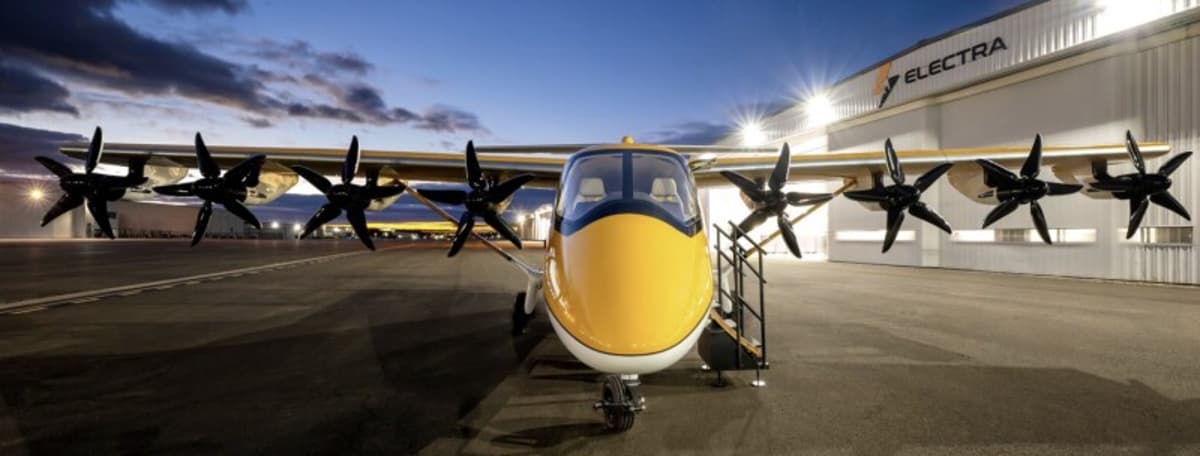
Electra Aero’s Charleston Demonstration: A New Chapter for Ultra Short Regional Flight
Companies Mentioned
Why It Matters
Electra’s successful USTOL demo validates a pragmatic AAM pathway that leverages existing infrastructure, positioning the company to capture the underserved short‑haul market before vertical‑lift rivals achieve commercial scale. The interest from JSX suggests a near‑term revenue pipeline and a credible use case for regional airlines.
Key Takeaways
- •EL2 achieved 150‑foot takeoff and landing on a pier
- •Hybrid‑electric powertrain promises 500‑mile range with nine passengers
- •JSX CEO tested EL9 prototype, signaling potential fleet addition
- •Electra targets 2027 first flight, 2029 FAA Part 23 certification
- •Direct Aviation model uses existing small airports and waterfront sites
Pulse Analysis
Electra Aero’s Charleston demonstration put the spotlight on a different AAM philosophy: ultra‑short takeoff and landing (USTOL) using a fixed‑wing platform rather than pure vertical lift. The EL2’s blown‑lift system, powered by eight distributed electric motors and a hybrid turbine‑generator, creates high‑velocity airflow over multi‑segment flaps, delivering lift at speeds far below conventional aircraft. This architecture enables takeoffs and landings in under 150 feet, dramatically reducing runway requirements and allowing operations from piers, parking lots, or repurposed heliports—an approach that sidesteps the massive vertiport build‑out that vertical‑lift firms are pursuing.
The market implications are significant. JSX’s co‑founder and CEO Alex Wilcox personally flew the EL2, noting the experience as “flying in the future.” JSX’s network focuses on short‑to‑medium routes that major carriers overlook, and a nine‑seat, 500‑mile USTOL aircraft could fill a gap of tens of millions of U.S. trips that are too long to drive yet too short for traditional airline service. By leveraging existing under‑utilized Class B, C, and D airports or waterfront sites, Electra’s Direct Aviation model promises lower infrastructure costs and faster route rollout, appealing to regional carriers seeking new revenue streams.
Electra’s roadmap reinforces its competitive positioning. The EL9, derived from the EL2’s technology, is slated for its maiden flight in 2027 with FAA Part 23 certification targeted for 2029, including IFR and known‑icing capabilities. While Joby Aviation continues high‑profile vertical‑lift tests in New York, Electra is advancing a more incremental, infrastructure‑compatible solution that could reach commercial service sooner. If performance, economics, and regulatory approval align, early adopters like JSX could become flagship customers, giving Electra a foothold in the emerging AAM ecosystem before the industry settles on a dominant flight mode.
Electra Aero’s Charleston Demonstration: A New Chapter for Ultra Short Regional Flight
Comments
Want to join the conversation?
Loading comments...