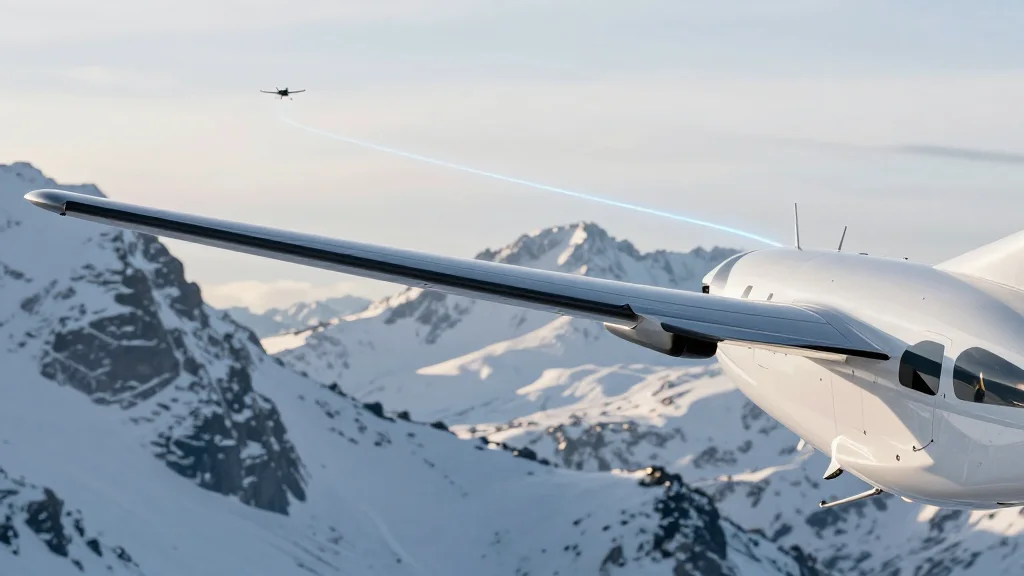
Electric Aircraft Can Be Integrated with Other Aircraft but Will Require “E-Route” Planning – Avinor
Why It Matters
The study provides a concrete roadmap for integrating electric aircraft into mainstream traffic, promising lower emissions, reduced operating costs, and a reshaped airspace management paradigm.
Key Takeaways
- •126 flights confirmed safe side‑by‑side operation of electric aircraft
- •Lower‑altitude “e‑routes” can cut energy consumption and increase flexibility
- •Current climb‑performance‑based airspace limits range of battery‑electric planes
- •New regulations needed for energy reserves and alternate‑airport requirements
Pulse Analysis
Norway is positioning itself at the forefront of electric aviation, and Avinor’s recent test campaign marks a pivotal step toward that goal. Over six months, 126 flights involving BETA Technologies’ electric aircraft and Bristow’s helicopters proved that battery‑powered planes can coexist safely with traditional traffic. By treating electric aircraft as a distinct class, Avinor aims to create a supportive infrastructure that mirrors how electric cars were granted dedicated lanes, signaling a broader shift toward sustainable mobility in the skies.
The technical reality, however, demands more than simple coexistence. Conventional airspace design assumes high climb rates and flexible altitude changes—attributes that battery‑electric aircraft lack due to limited power reserves. The report highlights that long climbs, fixed altitudes, and detours erode range and operational efficiency. To mitigate these constraints, Avinor proposes “e‑routes”: low‑altitude, direct pathways that reduce energy consumption and simplify flight planning. Simultaneously, regulators must revisit reserve‑fuel requirements and alternate‑airport rules, which currently penalize aircraft with shorter endurance.
Industry stakeholders see the Avinor findings as a catalyst for broader collaboration. Manufacturers, operators, and infrastructure providers must align on route design, charging infrastructure, and safety standards to unlock commercial viability. If successfully implemented, e‑routes could lower operating costs, expand access to remote regions, and accelerate the decarbonization of short‑haul aviation. The Norwegian model may soon serve as a template for other air navigation authorities seeking to integrate electric aircraft into congested airspaces worldwide.
Electric aircraft can be integrated with other aircraft but will require “e-route” planning – Avinor
Comments
Want to join the conversation?
Loading comments...