Electric Airliners – No, Don’t Laugh, They Will Soon Start to Make Sense
Companies Mentioned

Why It Matters
Government‑backed hybrid‑electric projects are accelerating the path to low‑emission regional aviation, a key component of the industry’s net‑zero by 2050 roadmap. Achieving the required battery energy density could unlock profitable routes that today rely on costly turboprops.
Key Takeaways
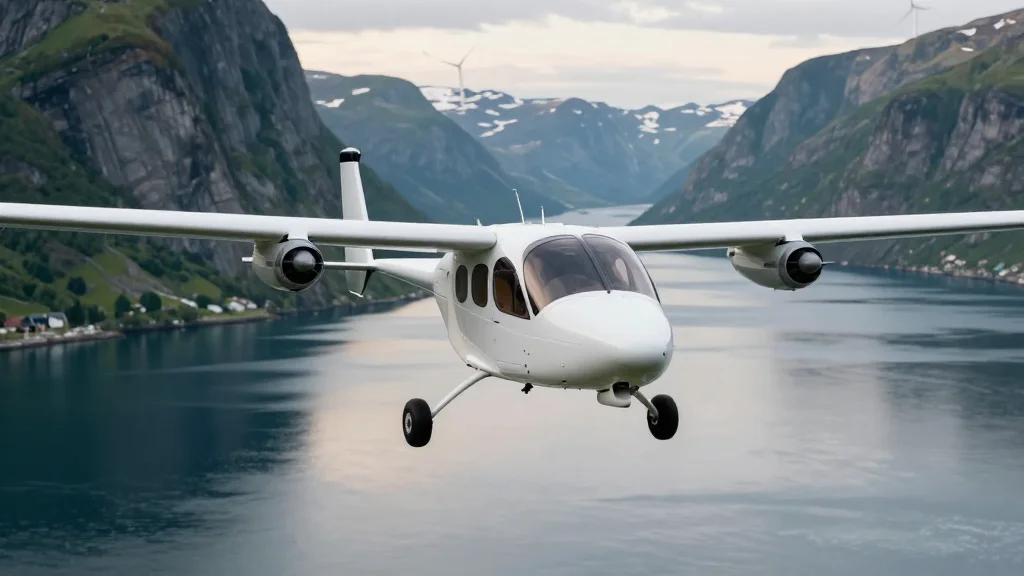
- •Electra's nine‑seat Ultra Short will begin test flights in Norway 2027.
- •FAA selected the Ultra Short for its eIPP electric aviation pilot program.
- •Norway targets fully electric domestic flights by 2040, cutting emissions 80%.
- •Battery energy density must reach ~500 Wh/kg for viable airliner range.
- •Hybrid‑electric 30‑seat Heart Aerospace ES‑30 aims for service by 2028.
Pulse Analysis
The upcoming test flights in northern Norway mark a tangible step beyond concept studies, demonstrating that a nine‑seat hybrid‑electric aircraft can operate from short runways comparable to a football field. By leveraging a modest 1,100‑nm range and a 45‑minute reserve, Electra’s Ultra Short aims to serve remote communities where conventional jets are uneconomical. The project’s visibility is amplified by its selection for the FAA’s Electric Vertical Takeoff and Landing and Advanced Air Mobility Integration Pilot Program, positioning Norway as a proving ground for broader U.S. and European deployments.
Government involvement is proving decisive. Norway’s 2020 regional electric aviation strategy, backed by carriers like Widerøe and SAS, sets an ambitious 2040 target for fully electric domestic flights, promising an 80% emissions cut from 2020 levels. Parallel initiatives in France, Sweden and New Zealand receive similar state support, underscoring a global race to secure the next generation of air mobility. Yet the linchpin remains battery technology; NASA’s projections of 489 Wh/kg by 2030 and 638 Wh/kg by 2040 suggest the industry is within striking distance of the 500 Wh/kg threshold needed for practical airliner operations.
If battery specific energy continues its upward trajectory, hybrid‑electric regional aircraft could become cost‑effective alternatives to turboprops on routes under 350 km, reshaping airline economics and accelerating decarbonisation. The ripple effect includes new market entrants, altered aircraft procurement cycles, and heightened competition for FAA and civil aviation authority certifications. While ultra‑long‑haul electric flights remain speculative, the imminent commercial entry of 9‑ to 30‑seat hybrids signals a paradigm shift that could redefine regional connectivity and set the stage for larger, more ambitious electric platforms in the next decade.
Electric airliners – no, don’t laugh, they will soon start to make sense
Comments
Want to join the conversation?
Loading comments...