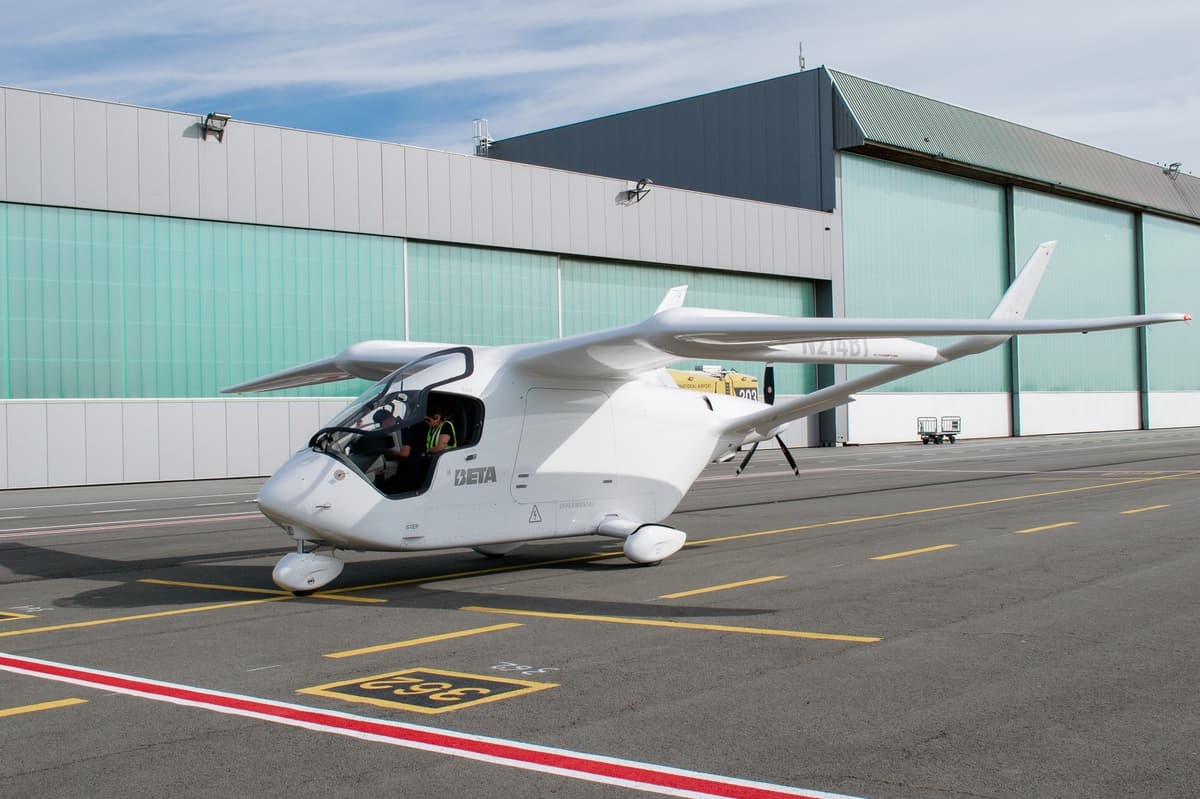
Electric Cargo Aircraft Makes First Stopover at Ostend-Bruges Airport
Why It Matters
The test validates electric cargo viability on short‑haul routes, accelerating the shift to low‑carbon logistics and positioning European regional airports as innovation centers.
Key Takeaways
- •Ostend‑Bruges and Antwerp airports will serve as testbeds for electric cargo
- •First electric cargo stopover demonstrates feasibility for regional short‑haul routes
- •Focus on organ, medicine, e‑commerce, high‑value freight within 500‑1,000 km
- •CEO predicts broader passenger and business aviation rollout in a few years
Pulse Analysis
Electric aviation is moving from prototype to operational testing, and Europe’s dense network of secondary airports provides an ideal proving ground. The recent electric cargo landing at Ostend‑Bruges Airport marks the first such stopover in the Benelux region, showcasing the aircraft’s ability to operate from a modest runway while maintaining payload capacity. Smaller fields like Ostend‑Bruges and Antwerp offer the runway length, lower traffic density, and flexible scheduling that larger hubs cannot, accelerating data collection on battery performance, turnaround times, and noise footprints.
The airports are targeting high‑value, time‑critical cargo such as organs, emergency medicines, and rapid e‑commerce shipments that benefit from the aircraft’s near‑zero emissions and reduced ground handling time. A 500‑to‑1,000 km radius covers major economic corridors across Belgium, the Netherlands, France, Germany, the UK and Luxembourg, enabling same‑day delivery without the carbon penalty of diesel trucks or conventional jets. By focusing on these niches, operators can monetize the technology early, gather real‑world reliability data, and build partnerships with logistics firms eager to meet stricter sustainability mandates.
Industry analysts expect the electric and hybrid airframes demonstrated today to reach commercial maturity within the next three to five years, paving the way for passenger services and business aviation on similar routes. Scaling will depend on advances in battery energy density, charging infrastructure at regional airports, and supportive regulatory frameworks across the EU. Investment is already flowing from aerospace manufacturers, venture capital, and government green‑transport programs, positioning Europe to become a leader in low‑carbon short‑haul aviation. The Ostend‑Bruges test flight therefore signals a broader shift toward greener logistics networks.
Electric cargo aircraft makes first stopover at Ostend-Bruges Airport
Comments
Want to join the conversation?
Loading comments...