Electric Cars: Which European Countries Offer the Most Support in 2026?
Why It Matters
Robust fiscal support accelerates the shift away from fossil fuels, boosting EV uptake and helping Europe meet climate targets while reducing exposure to volatile oil markets.
Key Takeaways
- •Italy offers up to $12k purchase grant, income‑based
- •Norway provides full VAT exemption worth $28k, driving 95.9% BEV share
- •France doubles EV funding to $10.9bn annually through 2030
- •EU BEV share rose to 18.8% early 2026, up from 17.4%
- •Six EU states give no purchase incentives, limiting adoption
Pulse Analysis
The surge in European electric‑vehicle (EV) adoption is no longer driven solely by consumer preference; it is increasingly a product of coordinated fiscal policy. France's new €10 bn ($10.9 bn) plan, unveiled in April, earmarks funds for purchase subsidies, charging infrastructure, and a social‑leasing scheme targeting low‑income drivers. Italy, Cyprus, and Slovenia lead the pack with the highest direct grants, while Norway’s comprehensive tax relief—full VAT exemption and zero registration duties—has cemented its near‑ubiquitous BEV market share. These incentives create immediate price reductions that make EVs competitive against gasoline cars, especially as fuel costs rise amid geopolitical tensions.
Beyond subsidies, the broader market data underscores the effectiveness of such measures. Battery‑electric vehicles accounted for 17.4% of EU registrations in 2025, climbing to 18.8% in the first two months of 2026. The uptick aligns with higher petrol prices linked to the Iran‑related energy crisis, prompting cost‑conscious shoppers to consider electrified alternatives. However, the incentive landscape remains fragmented: six member states still offer no purchase aid, and six others rely only on tax benefits. This patchwork can stall cross‑border adoption and complicate fleet‑wide emissions targets for multinational corporations.
Looking ahead, policymakers face a balancing act between short‑term stimulus and long‑term sustainability. Harmonizing incentive structures—such as standardizing scrappage criteria and aligning tax exemptions—could reduce market distortion and encourage manufacturers to scale production across the continent. Simultaneously, investments in private‑charging networks and grid capacity are essential to support the projected growth in EV ownership. As Europe tightens its climate agenda, the interplay of fiscal incentives, infrastructure development, and energy security will shape the next phase of the electric‑mobility transition.
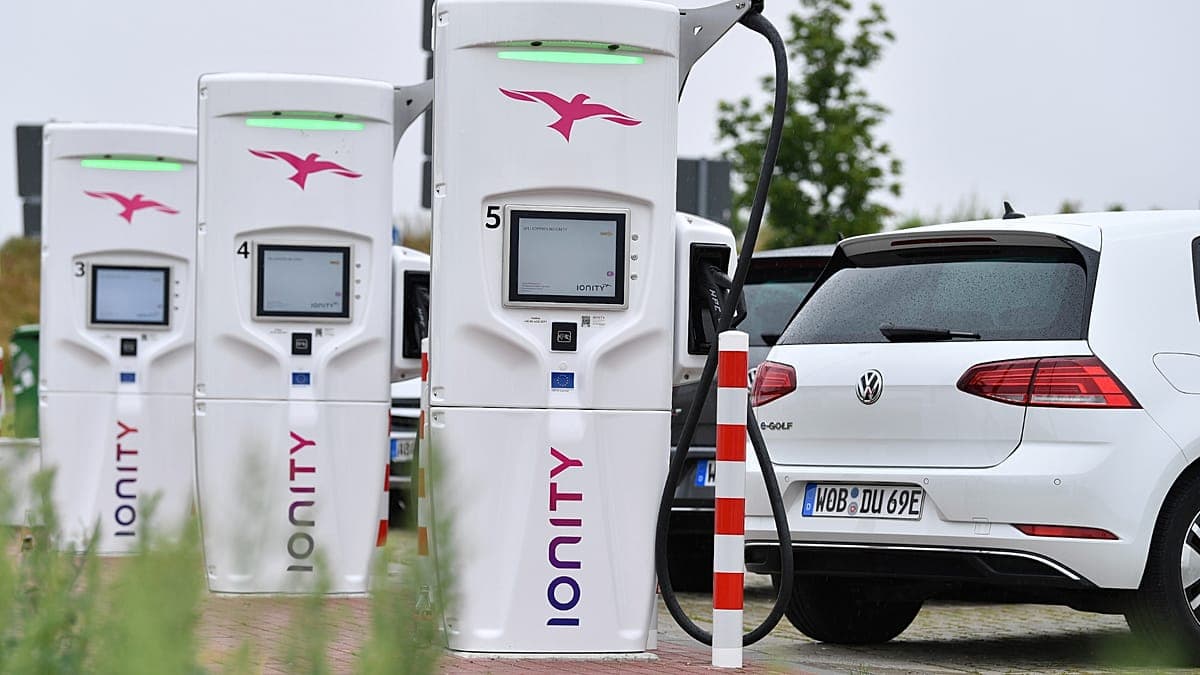
Electric cars: Which European countries offer the most support in 2026?
Comments
Want to join the conversation?
Loading comments...