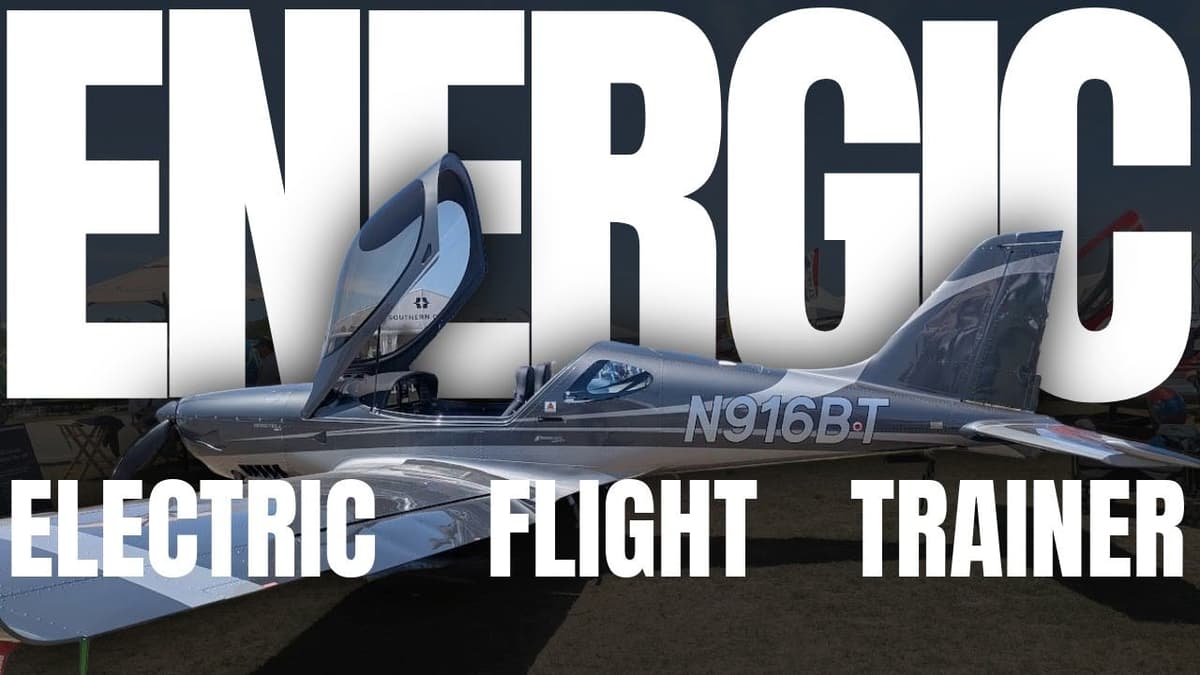
Electric Propulsion System Helps Trainer Aircraft Make Flying Fun and Affordable
Companies Mentioned
Why It Matters
The Energic demonstrates how electric propulsion can slash operating expenses and emissions, accelerating the shift toward sustainable general aviation training. Its cost advantage and regulatory certification could reshape flight‑school economics and spur broader adoption of electric aircraft.
Key Takeaways
- •Energic replaces 100 Hp Rotax engine with 100 kW electric power plant
- •53 kWh battery enables ~1‑hour flight plus 30‑min reserve
- •Operating costs about 25 % of comparable gasoline‑powered trainers
- •Deliveries begin late 2027 in Europe, 2028 in North America
- •Simplified maintenance cuts inspection time and reduces overall expenses
Pulse Analysis
Electric propulsion is moving from experimental prototypes to practical trainers, and Bristell’s Energic is a prime example. Built on the proven B23 airframe, the aircraft integrates H55’s electric storage system and a Safran‑manufactured 800‑volt motor originally derived from the Solar Impulse’s solar‑powered circumnavigation. This heritage gives the Energic credibility while delivering 80 kW continuous output and short‑burst 100 kW performance, enough to climb at 800 ft/min and cruise at 110 knots. The 53 kWh battery pack, split for redundancy, provides a usable 48 kWh capacity that translates to roughly one hour of flight time plus a mandatory 30‑minute reserve, aligning with typical flight‑school lesson lengths.
For flight schools, the financial upside is compelling. Avgas costs of $6.50‑$9.00 per gallon translate to about $50 per hour for a conventional Rotax‑powered trainer, whereas the Energic’s electricity consumption is estimated at $5‑$10 per hour. Coupled with lower maintenance demands—fewer moving parts, no fuel system, and simplified inspections—the total cost of ownership could be cut to a quarter of current levels. This reduction not only lowers barriers for new pilots but also improves the profitability of training operations, especially in a market where enrollment numbers have been volatile.
The broader industry impact hinges on the timing of deliveries and regulatory acceptance. With FAA Part 23 certification already in place, Bristell is positioned to meet the growing demand for greener aircraft. Deliveries slated for late 2027 in Europe and 2028 in North America will place the Energic alongside competitors like Pipistrel’s Velis Electro and the upcoming Aura e‑trainer. As battery energy density improves and charging infrastructure expands, the one‑hour endurance limitation will recede, opening doors for longer cross‑country training and even light commercial missions. The Energic thus serves as both a proof‑of‑concept and a catalyst for a new era of affordable, low‑emission aviation.
Electric Propulsion System Helps Trainer Aircraft Make Flying Fun and Affordable
Comments
Want to join the conversation?
Loading comments...