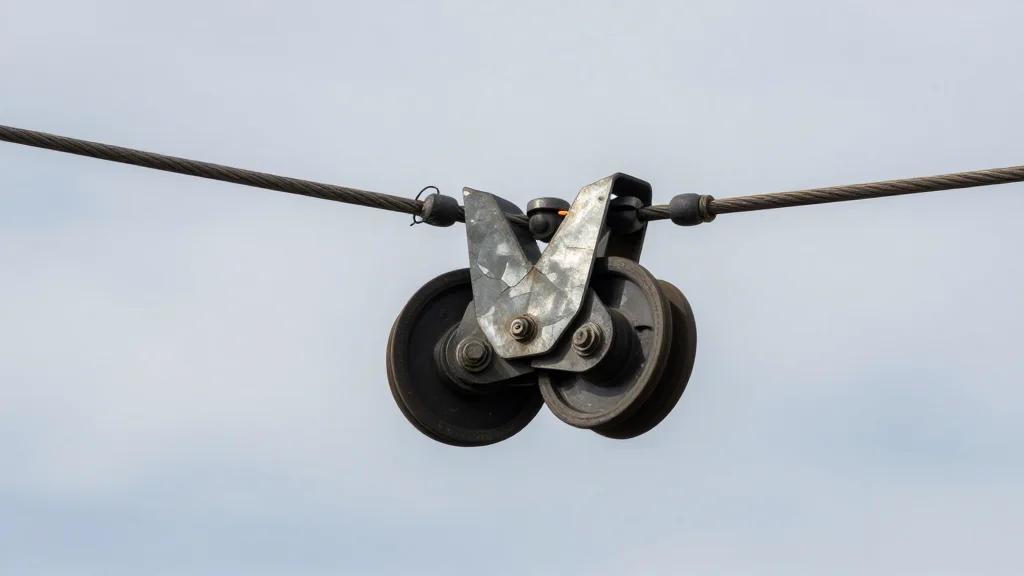
Electrical Faults Cause Major Rail Disruption in Denmark
Why It Matters
The outage exposed the fragility of Denmark’s electrified rail infrastructure, risking passenger confidence and increasing operational costs for operators and infrastructure managers across Europe.
Key Takeaways
- •Overhead catenary collapse halted all electric trains east of Odense.
- •Fault stemmed from tensioning system failure in West Zealand.
- •More than 30 DSB EMUs damaged, requiring multi‑day repairs.
- •Service resumed April 15 with reduced frequency and shorter train sets.
- •Incident underscores need for proactive infrastructure monitoring across European rail networks.
Pulse Analysis
Denmark’s rail network relies heavily on a dense electrified system that supports over 200 million passenger journeys annually. The April 14 incident, triggered by a faulty tensioning mechanism, caused the catenary to drop, leading to widespread wire failures from Ringsted to Copenhagen’s central station. Such failures are rare in the region, but they highlight the complex interplay between mechanical components and high‑speed operations, where even minor misalignments can cascade into system‑wide disruptions. Understanding the technical roots of this event helps operators anticipate similar risks in comparable networks across the continent.
The tensioning system that failed is designed to maintain optimal wire height under varying temperature and load conditions. When the system malfunctioned, the catenary sagged, allowing train pantographs to snag and pull the wires down. Similar incidents have occurred in the UK and Germany, prompting investments in real‑time monitoring sensors and predictive maintenance algorithms. By integrating IoT‑enabled strain gauges and AI‑driven analytics, rail managers can detect early signs of tension loss, schedule targeted interventions, and avoid costly service shutdowns.
From a business perspective, the disruption forced Banedanmark to suspend all electric traffic east of Odense, affecting commuter and intercity schedules and incurring repair costs for over 30 damaged EMUs. DSB’s recovery plan involved deploying longer diesel‑powered sets and adjusting timetables, which increased operational expenses and strained passenger confidence. The episode underscores the financial imperative for rail operators to modernize legacy infrastructure, adopt condition‑based maintenance, and diversify power sources to mitigate single‑point failures. As European railways pursue greener, fully electrified corridors, the Danish case serves as a cautionary tale that reliability hinges on proactive asset management.
Electrical faults cause major rail disruption in Denmark
Comments
Want to join the conversation?
Loading comments...