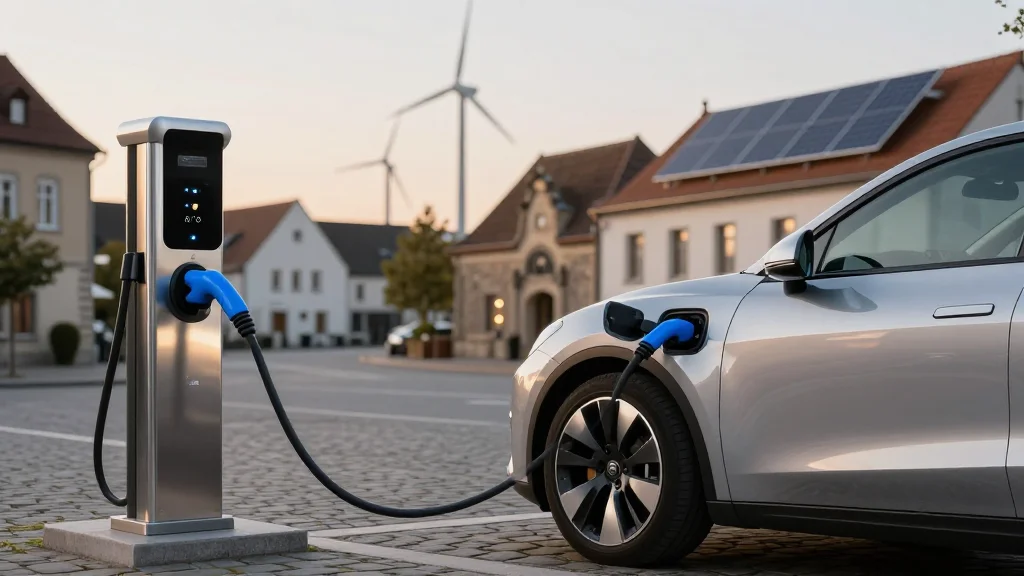
Electromobility in Germany Is Growing: Fuel Prices and Expansion of Charging Infrastructure Shape the Market Environment
Why It Matters
The rapid infrastructure rollout positions Germany ahead of EU minimums, supporting the transition away from fossil fuels and stabilizing consumer costs amid volatile fuel markets. High user satisfaction suggests public charging can sustain broader EV adoption, influencing automakers and energy providers.
Key Takeaways
- •Germany has >200,000 public charging points, 9 GW capacity.
- •Charging point utilization averages only 12%, outpacing vehicle growth.
- •86% of EV drivers report satisfaction with public charging.
- •Fuel price spikes boost EV appeal amid geopolitical tensions.
- •BNM calls for cheaper, more transparent charging standards.
Pulse Analysis
Germany’s electric‑vehicle (EV) market entered 2026 on a strong footing, building on a record‑setting 2025. The combination of tighter EU CO₂ fleet limits, a narrowing price gap between EVs and internal‑combustion cars, and a recent surge in gasoline prices driven by geopolitical tensions has lifted the total cost of ownership for EVs. Analysts estimate that the average price premium for compact EVs still hovers around 16 percent, but the risk‑off appeal of electricity‑powered transport is reshaping consumer buying patterns across the country.
The public charging network now exceeds 200,000 points, delivering more than nine gigawatts of power—an expansion that outpaces the growth of the vehicle fleet. While coverage is impressive, with 58 % of municipalities hosting stations that serve roughly 95 % of the population, utilization remains modest at about 12 %. Critics such as the Federal Association for New Mobility argue that the system is too costly and opaque, urging standardisation and lower fees. Current pricing data show that 84 % of users who rely solely on public chargers pay no more than €0.80 per kWh, roughly $0.88.
Despite the low utilisation, driver sentiment is overwhelmingly positive: 86 % of EV owners say public charging meets their expectations, and more than half rate the experience as exceeding them. This high satisfaction, coupled with the expanding corridor and urban coverage, signals that the infrastructure can support broader EV adoption once demand catches up. Policymakers are therefore weighing additional incentives and regulatory tweaks to accelerate vehicle uptake, while energy firms see an opportunity to monetize the growing network through value‑added services and dynamic pricing models.
Electromobility in Germany is Growing: Fuel Prices and Expansion of Charging Infrastructure Shape the Market Environment
Comments
Want to join the conversation?
Loading comments...