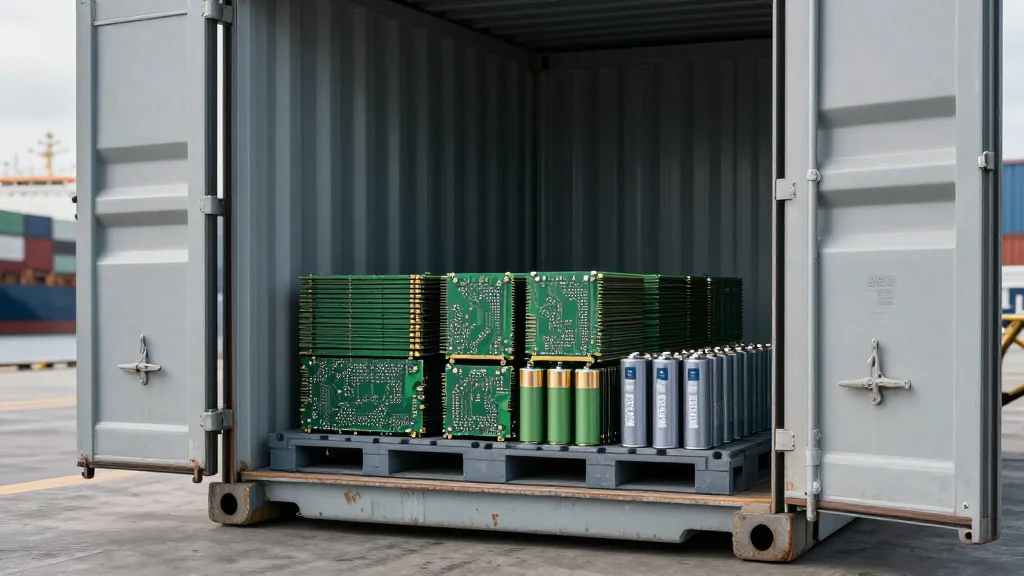
Electronics Makers Face Component Shortages as Gulf Shipping Crisis Hits Production
Companies Mentioned
Why It Matters
The disruption squeezes margins for OEMs, forces price hikes for consumers, and accelerates the push toward supply‑chain diversification and on‑shoring of critical components.
Key Takeaways
- •Haier's output fell 20%, inventory cover dropped to 10 days.
- •Vessel shortages add 10‑14 days to component shipments.
- •Memory‑chip prices surged 2‑3×, driving 70% smartphone price hikes.
- •Labor gaps in Indian sub‑assembly plants reduce output 20‑30%.
- •Helium supply constraints threaten future component availability.
Pulse Analysis
The Gulf shipping bottleneck has quickly become a systemic risk for India’s consumer‑electronics sector. With vessels stuck at key ports like Mundra and limited capacity through the Strait of Hormuz, manufacturers such as Haier and PG Electroplast are seeing lead times stretch by two weeks. The ripple effect is evident in inventory metrics: Haier’s refrigerator and washing‑machine lines now operate on a ten‑day component buffer instead of the usual 25 days, prompting firms to scramble for air‑freight alternatives that erode profit margins.
Beyond logistics, the crisis is inflating component costs across the board. Memory‑chip prices have tripled, reflecting semiconductor fabs’ pivot to high‑margin AI data‑center chips. This price surge cascades to end‑products, with entry‑level smartphones climbing as much as 70% since January. Simultaneously, labor shortages in Indian sub‑assembly plants—exacerbated by regional elections—have cut output by up to 30%, tightening supply further. The helium shortage, stemming from disruptions in Qatar, adds another layer of vulnerability for high‑precision electronics that rely on this inert gas.
Companies are responding by bolstering safety stocks, renegotiating supplier contracts, and exploring alternative shipping lanes such as the Cape of Good Hope. Longer‑term strategies include diversifying component sourcing away from China, Taiwan, and South Korea, and investing in domestic fab capacity to reduce reliance on volatile maritime routes. Policymakers may also consider incentives for reshoring critical electronics manufacturing, a move that could stabilize supply chains and temper price volatility for Indian consumers.
Electronics makers face component shortages as Gulf shipping crisis hits production
Comments
Want to join the conversation?
Loading comments...