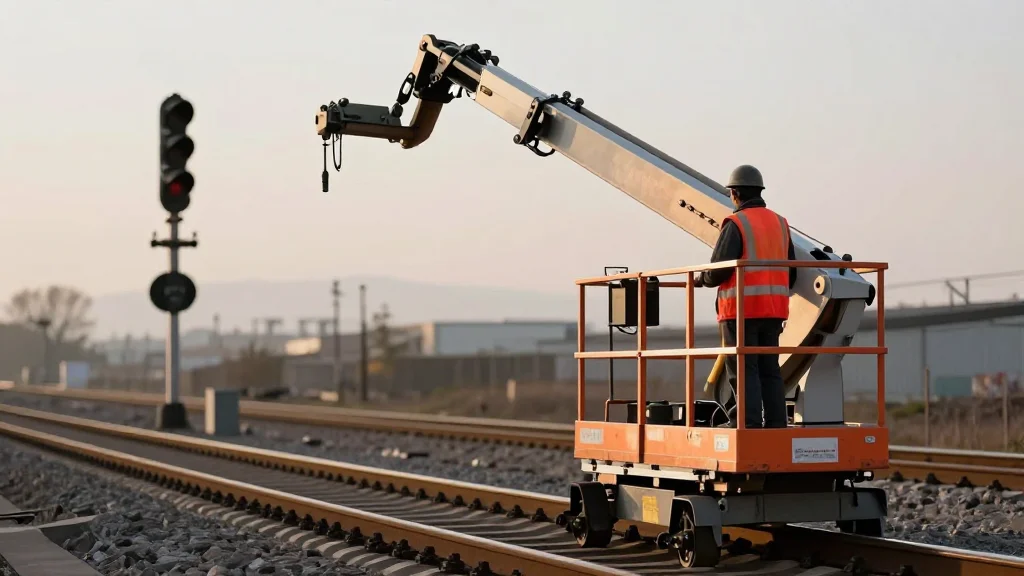
Elevated Rail Access Without Interrupting Track Work
Why It Matters
Efficient access equipment preserves limited shutdown periods, protecting revenue and service reliability. Selecting the proper hi‑rail platform and trained operator also reduces safety risks and downstream delays across rail operations.
Key Takeaways
- •Hi‑rail EWPs provide controlled elevation tailored for rail corridors
- •Short maintenance windows demand fast, precise positioning of access equipment
- •Operator expertise directly influences shift efficiency and safety on tracks
- •Proper platform placement minimizes disruption for all crews during shutdowns
- •Integrated safety plans prevent hazards from overhead, electrical, and moving plant
Pulse Analysis
Rail corridors present a unique blend of constraints that differ sharply from typical construction sites. Track ballast, limited clearance, live electrical systems and strict regulatory oversight mean that standard elevated work platforms often cannot be deployed without extensive modification. Hi‑rail EWPs bridge this gap by combining the mobility of rail‑compatible under‑carriage wheels with the reach of a conventional boom, allowing crews to access overhead fixtures, bridge components and tunnel edges without compromising track integrity. This niche capability has driven a modest but growing market for rail‑specific access equipment, especially as infrastructure renewal programs accelerate worldwide.
Operational efficiency hinges on the tight work windows that rail operators schedule to minimize service disruption. A platform that arrives late, is difficult to position, or lacks the necessary reach can cascade into costly delays, forcing additional crew overtime and potentially triggering regulatory penalties. Skilled operators who understand both the machinery and the rhythm of rail work can anticipate positioning challenges, adjust boom angles on the fly, and coordinate seamlessly with adjacent crews. Their expertise translates directly into reduced cycle times, lower labor costs, and higher asset availability—key performance indicators for any rail asset manager.
Safety remains the paramount concern on active rail lines. Elevated work adds layers of fall risk, proximity to high‑voltage overhead lines, and the danger of encroaching on moving trains. Comprehensive rail‑access plans must therefore integrate exclusion zones, real‑time communication protocols, and weather contingencies. Emerging technologies such as telematics‑enabled EWPs and augmented‑reality safety briefings are beginning to enhance situational awareness, further mitigating risk. As rail networks modernize and capacity pressures mount, the strategic deployment of hi‑rail access platforms will become an essential component of resilient, cost‑effective rail maintenance programs.
Elevated Rail Access Without Interrupting Track Work
Comments
Want to join the conversation?
Loading comments...