Elevating Passenger Experiences for the Future of Travel
Why It Matters
The redesign demonstrates how regional airports can boost traveler satisfaction and operational efficiency while championing local sustainability, influencing industry standards worldwide.
Key Takeaways
- •Adelaide Airport’s terminal revamp blends cultural storytelling with modern design.
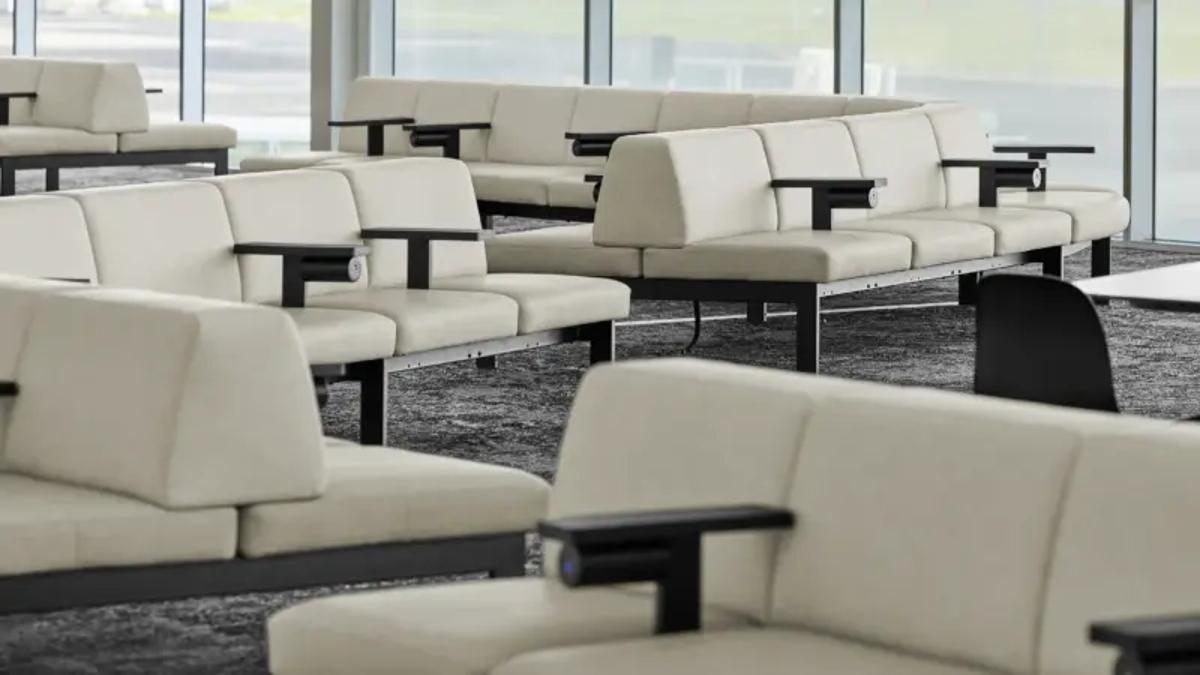
- •Derlot’s modular Gateway seating offers durability, adaptability, and local sustainability.
- •Inclusive spaces address families, neurodiverse travelers, and wheelchair accessibility.
- •Design emphasizes calm navigation through intuitive layouts and sensory rooms.
- •Project sets new benchmark for regional airport interiors in Australia.
Pulse Analysis
Passenger‑centric design is reshaping how airports compete, especially in secondary markets where experience can differentiate a facility. Adelaide Airport’s overhaul illustrates a shift from purely functional terminals to immersive environments that reflect local identity. By integrating Kaurna narratives, natural materials, and visual cues that echo the region’s former wetlands, the redesign creates a sense of place that resonates with both residents and visitors, turning waiting areas into cultural touchpoints rather than mere transit zones.
A cornerstone of the project’s success lies in its furniture strategy. Derlot’s Gateway and Twig systems were chosen for their modularity, allowing the airport to reconfigure seating layouts as passenger flows evolve. The components are built for heavy‑use durability, feature replaceable finishes, and are sourced from Australian manufacturers, reducing carbon emissions and supporting the domestic supply chain. This sustainable, ethical approach aligns with growing airline and airport commitments to lower environmental impact while delivering high‑quality, adaptable interiors.
Looking ahead, the Adelaide case signals broader trends in airport architecture: inclusive design, flexibility, and technology‑enabled personalization will dominate. Spaces that cater to neurodiverse travelers, families, and the elderly—through sensory rooms, varied seating heights, and clear wayfinding—enhance comfort and reduce stress. Coupled with data‑driven insights on passenger demographics, such designs can be continuously refined. As regional hubs adopt these principles, they will not only improve traveler satisfaction but also drive economic growth by positioning themselves as forward‑thinking gateways to their communities.
Elevating Passenger Experiences for the Future of Travel
Comments
Want to join the conversation?
Loading comments...