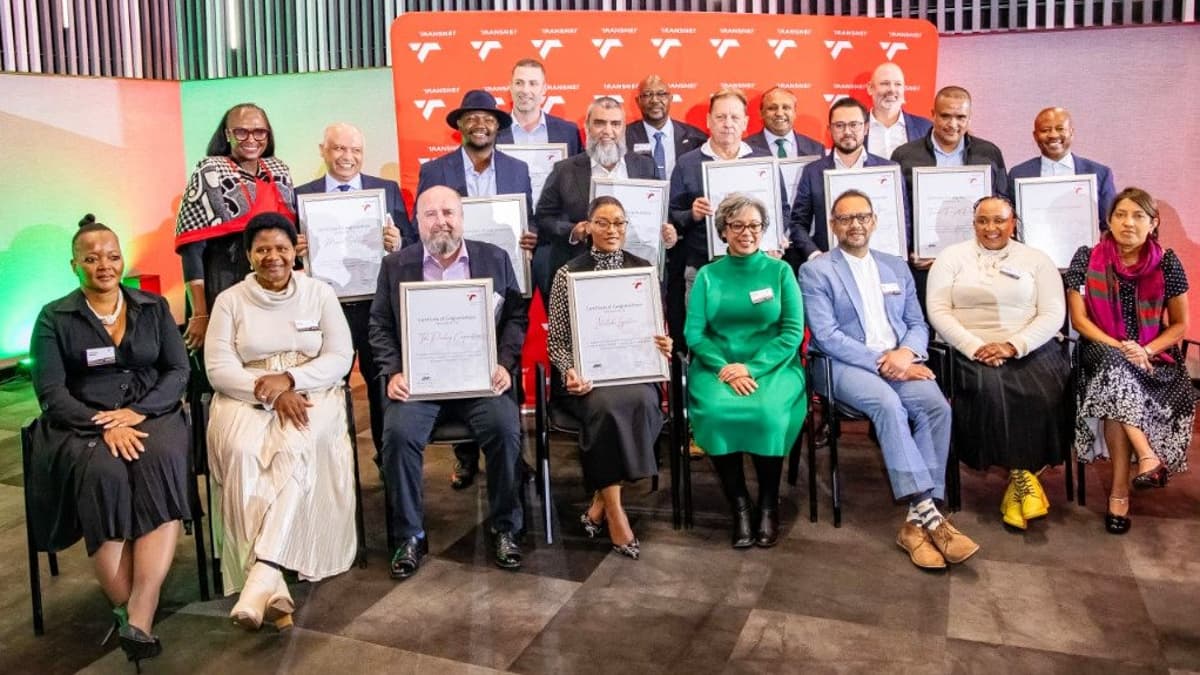
Eleven Private Train Operators Gear up for Mainline Entry After Concluding Access Agreements
Why It Matters
The agreements break Transnet Freight Rail's monopoly, introducing competition that can boost capacity, lower costs, and help South Africa meet its 2030 freight volume target. They also signal a broader policy shift toward market‑driven infrastructure utilization.
Key Takeaways
- •11 private TOCs secured mainline access agreements.
- •Additional 24 million tonnes freight capacity expected.
- •Operations slated to start 2026‑27, boosting competition.
- •Transnet allocating 500 locomotives, 17 000 wagons to LeaseCo.
- •Ad‑hoc slot platform enables rapid capacity additions.
Pulse Analysis
The conclusion of rail access agreements marks the first major step in South Africa’s transition from a state‑run monopoly to an open‑access freight rail market. By separating infrastructure management under the Transnet Rail Infrastructure Manager (TRIM) from operations, the government has created a level playing field for private train operating companies (TOCs). Eleven TOCs, including ARC South Africa and MSC‑linked TLD Marine, have signed contracts that grant them slots on the mainline network. This regulatory shift follows the publication of Network Statement Version 3, which defines access fees and slot allocation rules, laying the groundwork for a competitive rail ecosystem.
The new entrants are projected to add roughly 24 million tonnes of freight capacity across coal, manganese, containers, fuel and general cargo, accelerating progress toward the national target of 250 million tonnes by 2030. Faster, private‑run services can alleviate bottlenecks at key ports such as Durban, especially with the ad‑hoc slot platform already enabling a short‑haul Cato Ridge‑Durban run aimed at reducing road congestion. For shippers, increased capacity and market‑driven pricing promise more reliable supply chains, while investors see a broader revenue base for rail‑linked logistics and ancillary services.
Despite the optimism, the network faces significant maintenance backlogs that private operators will inherit. Transnet’s commitment to invest R 16.8 billion, plus pending applications for an additional R 23.6 billion, seeks to modernise track, signalling and rolling stock. The proposed LeaseCo public‑private partnership, backed by 500 locomotives and 17 000 wagons, lowers entry barriers by allowing TOCs to lease equipment instead of making large capital outlays. If infrastructure upgrades keep pace with demand, South Africa could witness a vibrant rail freight market that attracts regional operators and supports broader economic diversification.
Eleven private train operators gear up for mainline entry after concluding access agreements
Comments
Want to join the conversation?
Loading comments...