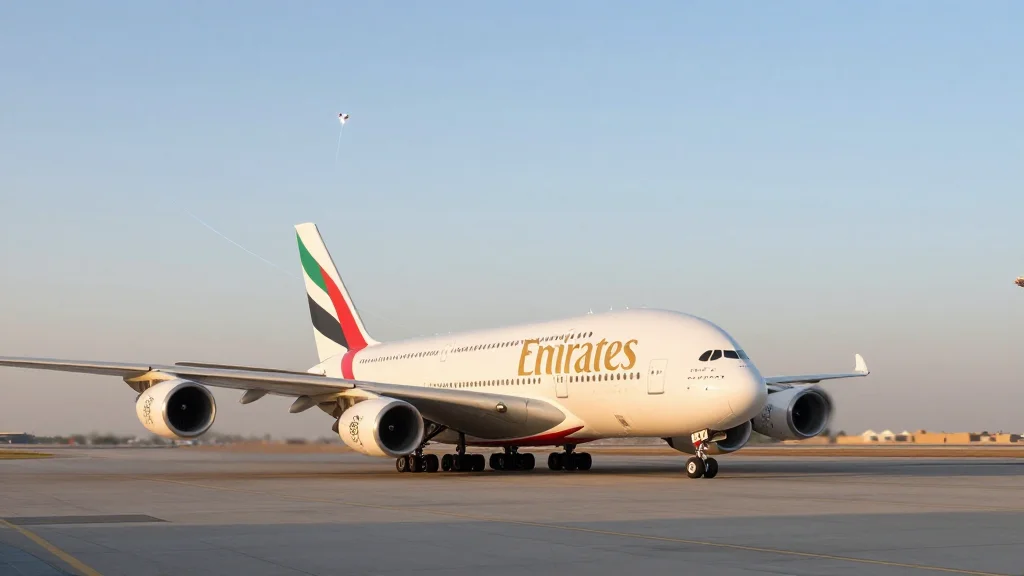
Emirates Will Not Cut Flights Despite Middle East War Pressures
Companies Mentioned
Why It Matters
By sustaining capacity, Emirates signals confidence in demand and protects its market share, while the warning to budget carriers highlights potential consolidation in the airline industry amid geopolitical risk.
Key Takeaways
- •Emirates will maintain capacity despite Middle East conflict.
- •Budget airlines face higher risk if war persists.
- •Emirates adds free Starlink Wi‑Fi to boost demand.
- •Lufthansa's claim of Gulf regulatory advantage rejected by Emirates.
Pulse Analysis
The escalation of the Iran‑Israel conflict has sent shockwaves through global aviation, prompting many carriers to trim schedules or reroute flights to avoid airspace restrictions. Emirates, however, has taken a contrarian stance, announcing it will keep its network fully operational, especially through its Dubai hub, which connects passengers to high‑growth markets like India, Australia, and Africa. Tim Clark argued that the airline’s diversified route portfolio and strong balance sheet allow it to absorb short‑term cost pressures, while competitors with tighter margins—particularly low‑cost carriers—could see reduced traffic or even exit certain routes if the war drags on.
At the same time, Emirates is leveraging technology to differentiate its product. The carrier is installing free Starlink satellite internet on as many aircraft as possible, a move that not only improves the passenger experience but also creates a new selling point for business travelers seeking reliable connectivity on long‑haul flights. Early reports suggest the service has already generated incremental bookings, reinforcing Emirates’ strategy of using innovation to offset geopolitical headwinds. This mirrors a broader industry trend where airlines invest in in‑flight Wi‑Fi and digital amenities to retain premium customers.
The dispute over regulatory parity resurfaced when Lufthansa accused Gulf airlines of enjoying an unfair advantage. Clark rebutted, pointing out that Lufthansa itself benefits from state aid and must compete on a level playing field. The argument underscores the growing influence of state‑backed carriers in Europe, where slot allocations and bilateral agreements are increasingly contested. As Emirates pushes for more slots at Berlin Brandenburg and seeks deeper penetration of the German market, the outcome could reshape competitive dynamics, prompting European regulators to revisit rules governing foreign airline access.
Emirates will not cut flights despite Middle East war pressures
Comments
Want to join the conversation?
Loading comments...