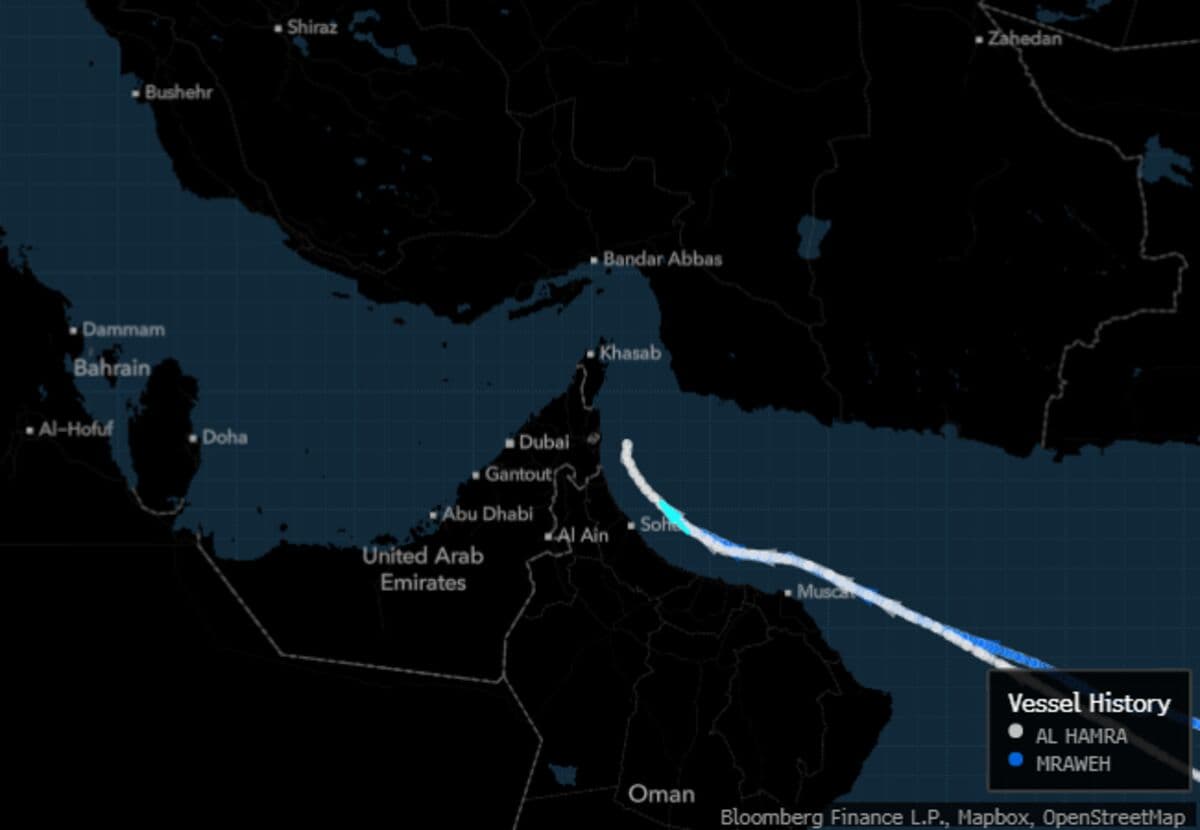
Empty LNG Tankers Attempt Hormuz Crossing Into Persian Gulf
Why It Matters
A successful crossing would demonstrate that commercial LNG shipments can resume through Hormuz, relieving pressure on global gas markets and reducing geopolitical risk for energy traders.
Key Takeaways
- •Al Hamra and Mraweh are Abu Dhabi‑owned LNG tankers.
- •First LNG vessels to attempt Hormuz crossing amid regional crisis.
- •Iran announced the strait is now open for commercial traffic.
- •Successful passage could ease global LNG supply constraints.
Pulse Analysis
The Strait of Hormuz has long been a chokepoint for global energy supplies, handling roughly 20% of the world’s oil and a growing share of liquefied natural gas. Since the escalation of the Middle East energy crisis earlier this year, Iran and allied forces have intermittently restricted commercial traffic, prompting reroutes around the Cape of Good Hope and driving up freight rates. Analysts have warned that prolonged closures could tighten global gas markets, especially as Europe seeks alternative LNG sources amid reduced Russian pipeline flows.
Against this backdrop, Bloomberg’s ship‑tracking data identified two Abu Dhabi National Oil Co. vessels—Al Hamra and Mraweh—making a coordinated approach toward the eastern entrance of Hormuz. Both are modern, high‑capacity LNG carriers capable of transporting up to 170,000 cubic meters of gas. Their timing, just before Iran’s official statement that the strait is “completely open for commercial ships,” suggests a calculated test of the new policy and a potential shift in regional shipping dynamics. If the tankers clear the narrow passage without incident, it would set a precedent for other LNG operators to consider Hormuz a viable route again.
The broader implications are significant. Restoring LNG flow through Hormuz could alleviate the current supply‑demand imbalance that has pushed spot gas prices above $12 per million British thermal units in Europe. Moreover, it would reduce the reliance on longer, costlier detours, improving the economics of LNG contracts for both producers and buyers. From a geopolitical perspective, a smooth transit would signal a de‑escalation of Iran’s maritime posture, potentially fostering a more stable environment for energy trade in the Persian Gulf. Stakeholders will be watching closely for the vessels’ clearance status, as it may herald a new chapter in the region’s energy logistics.
Empty LNG Tankers Attempt Hormuz Crossing Into Persian Gulf
Comments
Want to join the conversation?
Loading comments...