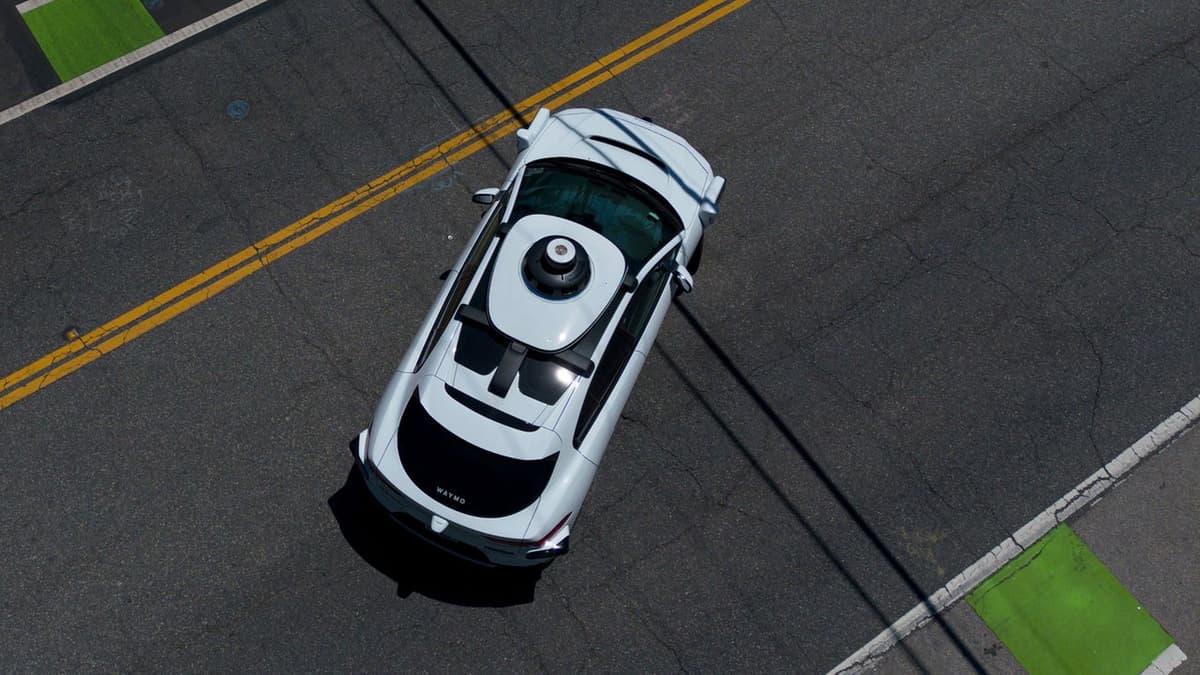
Empty Waymo Cars Are Converging on One Atlanta Cul-De-Sac. No One Can Explain Why
Companies Mentioned
Why It Matters
The unexplained loitering creates traffic congestion and safety risks, highlighting gaps in autonomous fleet management that could attract regulatory scrutiny. It also tests public tolerance for driverless services in residential areas.
Key Takeaways
- •Waymo fleet of ~100 cars operating in Atlanta since June 2025
- •Residents report up to 50 empty Waymos circling cul‑de‑sacs each morning
- •Waymo says it has addressed the routing behavior after community complaints
- •Idle vehicles programmed to seek street parking or depot when idle
- •Unexplained loitering raises safety concerns and highlights autonomous fleet management challenges
Pulse Analysis
Waymo’s robotaxi service, which launched in Atlanta in June 2025, now runs a fleet of roughly one hundred autonomous vehicles across the city. Early this month, residents of a quiet northwest neighborhood began documenting an unusual surge of empty Waymo cars that gathered in a cul‑de‑sac each morning, with some mornings seeing as many as fifty vehicles between 6 a.m. and 7 a.m. The phenomenon, captured on video and shared on social media, has sparked local frustration and raised questions about how driverless fleets manage idle time.
The behavior likely stems from Waymo’s routing software, which instructs idle cars to either travel to a nearby depot or find on‑street parking while awaiting the next passenger request. In dense urban environments the algorithm favors areas of high predicted demand, but a glitch or mis‑calibrated demand model can send cars to low‑traffic residential streets where they linger. Such loitering not only creates unnecessary congestion but also exposes pedestrians and children to unpredictable autonomous traffic, highlighting a gap in real‑time fleet oversight.
Beyond the immediate inconvenience, the incident underscores broader challenges for autonomous mobility providers. Community safety concerns can accelerate regulatory scrutiny and pressure companies to refine their idle‑vehicle policies. Waymo’s public statement that it has “addressed this routing behavior” suggests a software update may be forthcoming, but transparent communication and proactive parking solutions will be essential to maintain public trust. As robotaxi fleets scale nationwide, balancing efficient vehicle utilization with neighborhood livability will become a key metric for sustainable autonomous transportation.
Empty Waymo cars are converging on one Atlanta cul-de-sac. No one can explain why
Comments
Want to join the conversation?
Loading comments...