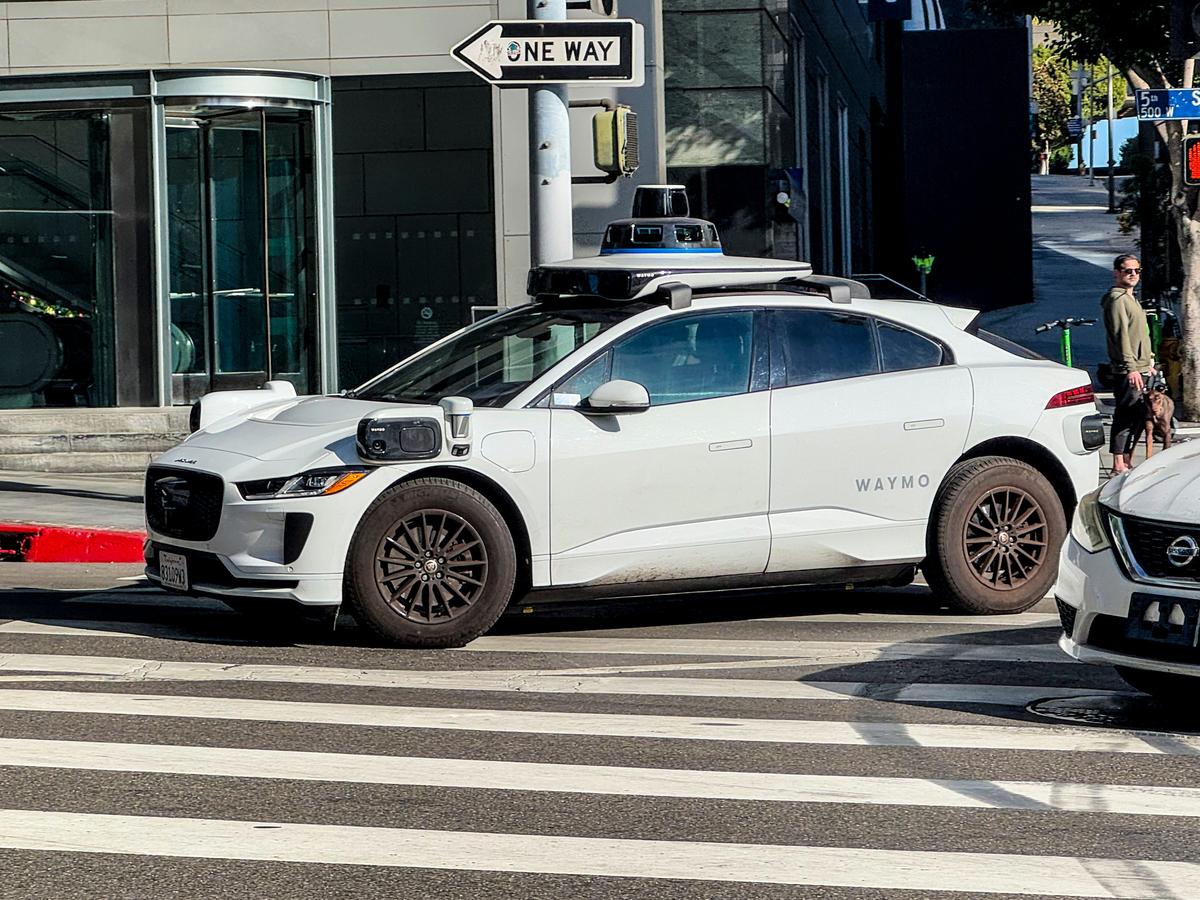
Empty Waymos Flood Atlanta Neighborhood, Confusion and Traffic Ensues
Why It Matters
The incident illustrates how autonomous ride‑hailing can disrupt local traffic and erode community trust, prompting tighter oversight and better routing controls. It also underscores the need for coordinated management between AV providers and partners like Uber.
Key Takeaways
- •Waymo Jaguars circled Buckhead cul‑de‑sacs, causing jams
- •Residents reported 50 driverless cars in one hour
- •Waymo attributes issue to routing error, now corrected
- •Uber oversees Waymo’s Atlanta autonomous fleet
- •Incident underscores need for community‑focused AV deployment
Pulse Analysis
The rollout of autonomous ride‑hailing services has accelerated in the United States, with Waymo leading the charge by deploying driverless Jaguar I‑Paces in multiple metros. While the technology promises reduced congestion and fewer traffic injuries, its success hinges on sophisticated routing algorithms that can adapt to complex urban layouts. Missteps in these systems not only affect efficiency but also shape public perception of autonomous vehicles, a critical factor for long‑term adoption.
In Atlanta’s affluent Buckhead district, a cluster of Waymo cars inexplicably entered a series of cul‑de‑sacs, looping for minutes and creating a localized traffic jam. Residents documented the phenomenon, noting as many as fifty driverless cars in a single hour, and even attempted to redirect the fleet with a makeshift "kid crossing" sign. The episode sparked concern among homeowners and local media, highlighting how autonomous fleets can unintentionally intrude on quiet neighborhoods and raise safety questions that traditional ride‑hailing services rarely encounter.
Waymo responded by attributing the behavior to a routing error and confirming that the issue has been corrected. The company also clarified that Uber manages its Atlanta operations, emphasizing a collaborative approach to fleet oversight. Moving forward, the incident serves as a cautionary tale for the industry: robust community engagement, transparent incident reporting, and real‑time routing adjustments are essential to maintain public trust. As municipalities consider regulations for autonomous vehicles, the Buckhead case may influence policy frameworks that require stricter neighborhood impact assessments before large‑scale deployments.
Empty Waymos Flood Atlanta Neighborhood, Confusion and Traffic Ensues
Comments
Want to join the conversation?
Loading comments...