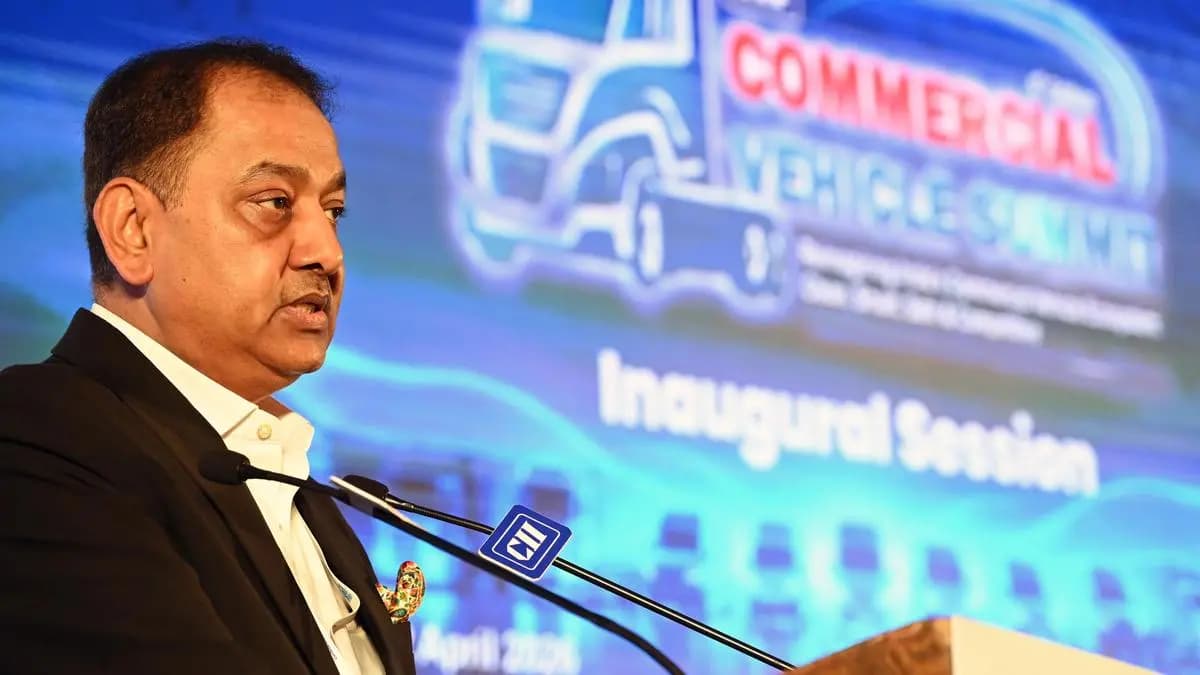
Energy, Intelligence and Social Impact to Drive CV Sector Transformation: Ashok Leyland MD & CEO
Why It Matters
The shift positions India’s CV industry to achieve energy self‑sufficiency, boost productivity through digital intelligence, and address a looming labor gap, all of which are critical for the country’s logistics backbone and economic growth.
Key Takeaways
- •Ashok Leyland pursues multi‑fuel CVs: electric, LNG, bio‑CNG, hydrogen.
- •Goal: domestic energy independence, reducing reliance on imported crude.
- •AI-driven predictive maintenance to become core “nervous system” of trucks.
- •Green hydrogen fleet currently 23 trucks; target to lead long‑haul market.
- •Driver welfare prioritized to address shortage and elevate profession.
Pulse Analysis
India’s commercial‑vehicle market stands at a crossroads, with the energy transition dictating the next decade of growth. For decades the sector has leaned on diesel engines powered by imported crude, exposing manufacturers to price volatility and supply risk. Ashok Leyland’s push for a multi‑fuel portfolio – electric, LNG, bio‑CNG and especially green hydrogen – reflects a broader national agenda to secure domestic energy sources. The company’s modest fleet of 23 hydrogen‑ICE trucks serves as a pilot, but the ambition is to scale up to become the world’s largest long‑haul hydrogen fleet, cutting emissions while reducing import dependence.
Parallel to the fuel shift, intelligence is set to become the “nervous system” of trucks. Advances in artificial intelligence enable real‑time fuel optimisation, predictive maintenance and fleet‑wide diagnostics, turning vehicles into software‑defined assets. These capabilities not only lower operating costs but also lay the groundwork for fully autonomous, connected logistics ecosystems. As data streams integrate with telematics platforms, manufacturers can offer subscription‑based services, creating new revenue streams and enhancing asset utilisation across the supply chain.
The third pillar – social impact – addresses a chronic talent bottleneck. Driver shortages, compounded by low societal regard, threaten productivity. By championing driver welfare, better remuneration and upskilling, Ashok Leyland aims to transform trucking into a respectable, attractive career. This human‑centric approach aligns with broader policy goals of inclusive growth and can improve safety, retention and overall fleet efficiency. Together, these three shifts chart a roadmap for a resilient, sustainable, and socially responsible CV industry in India.
Energy, intelligence and social impact to drive CV sector transformation: Ashok Leyland MD & CEO
Comments
Want to join the conversation?
Loading comments...