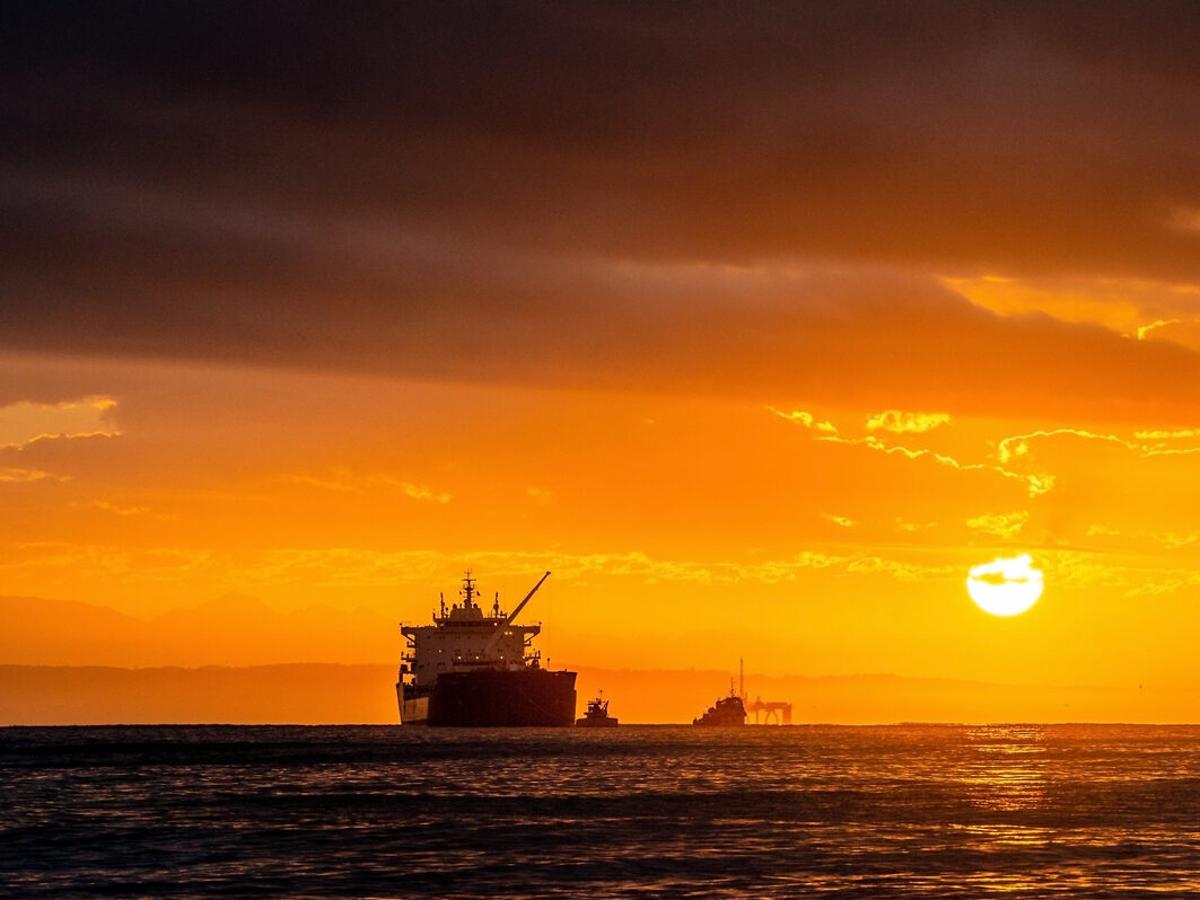
Energy Sanctions Dashboard: October 2025
Companies Mentioned
Why It Matters
The findings highlight a growing enforcement gap that undermines U.S. foreign‑policy leverage and could destabilize global oil markets if evasion persists. Strengthening sanctions coordination is critical to curtail revenue streams that fund hostile regimes.
Key Takeaways
- •Sanctions removed millions of barrels daily from global market (2014‑2025).
- •China now primary buyer of Russian, Iranian, Venezuelan crude.
- •Shadow‑fleet tankers and ship‑to‑ship transfers evade sanctions.
- •Russia’s oil revenue fell 20.5% as China demand plateaued.
- •India poised to drive global oil demand as China demand stalls.
Pulse Analysis
The Energy Sanctions Dashboard, released by the Atlantic Council’s Economic Statecraft Initiative, provides a data‑driven look at how U.S. sanctions have reshaped crude‑oil flows over the past decade. By targeting the revenue lifelines of Russia, Iran and Venezuela, Washington has succeeded in pulling millions of barrels per day off the market, yet the unintended rise of a shadow fleet—comprised of vessels that switch flags, turn off AIS trackers and use complex ownership structures—has allowed much of the oil to re‑enter the market via China. This evasion not only blunts the punitive intent of sanctions but also creates opaque supply chains that complicate price forecasting and compliance monitoring.
A second, equally important trend is the shifting demand landscape. China’s rapid adoption of electric vehicles and strategic stockpiling have led its crude‑oil imports to plateau in 2025, cutting off a vital outlet for sanctioned oil and slashing Russian export revenues by roughly 20.5% in the first nine months of the year. In contrast, India’s growing petrochemical sector and steady demand for transportation fuels position it as the next major consumer of global crude, potentially redirecting flows that would otherwise go to sanctioned producers. This demand pivot underscores the need for policymakers to anticipate where oil will flow next and to tailor sanctions that align with evolving market realities.
For sanctions to achieve their foreign‑policy objectives, enforcement must evolve beyond headline restrictions. The dashboard recommends a mix of primary sanctions on entities directly involved in evasion, secondary sanctions on foreign financial institutions that facilitate transactions, and robust public‑private information sharing to map shadow‑fleet activities. Coordinated action with allies, expanded resources for Treasury and the State Department, and targeted incentives for alternative suppliers can help close loopholes. As the United States prepares to test these measures against newly designated Russian firms, the effectiveness of the next wave of energy sanctions will hinge on the ability to adapt to both the technical sophistication of evasion networks and the shifting demand dynamics of the world’s largest oil consumers.
Energy Sanctions Dashboard: October 2025
Comments
Want to join the conversation?
Loading comments...