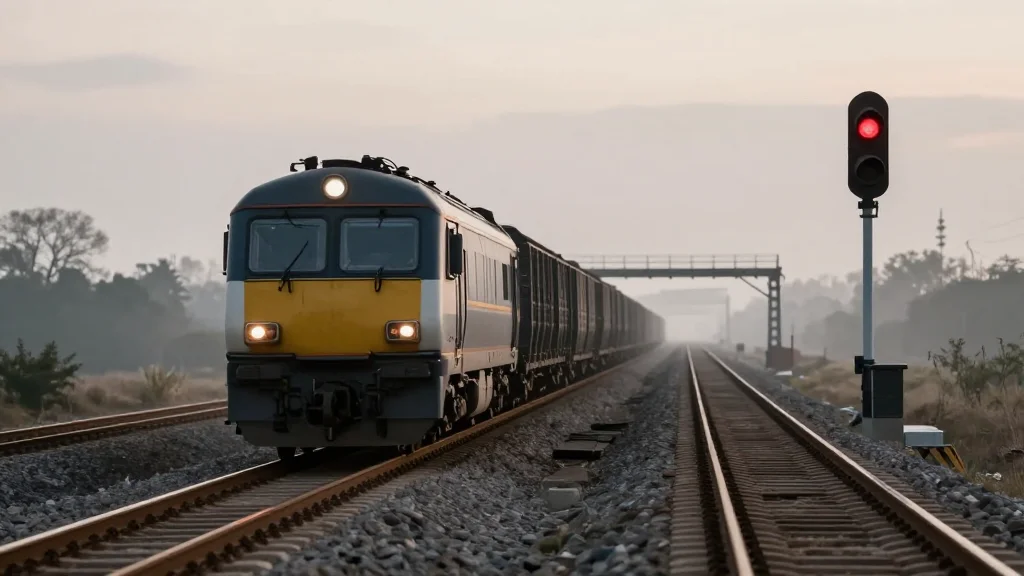
England’s £1bn East‑West Rail Line Sits Idle as Passenger Services Stall

Why It Matters
The East‑West Rail delay highlights a systemic challenge: delivering physical infrastructure without securing the operational framework can stall economic benefits and erode public trust. Housing developers who marketed new homes on the promise of a commuter rail now face reduced property appeal, potentially slowing the anticipated influx of talent to the tech corridor. Moreover, the episode raises questions about the UK’s ability to coordinate large‑scale transport projects amid political turnover and union negotiations. If unresolved, the idle line could set a precedent that hampers future investment in high‑speed and regional rail initiatives.
Key Takeaways
- •East‑West Rail line between Oxford and Milton Keynes is complete and carrying freight but no passenger trains
- •No definitive passenger service start date has been announced
- •MP Callum Anderson and councillor Diana Blamires publicly criticised the delay
- •DfT cites election disruption, contract talks and union staffing disputes as causes
- •Contrastingly, Mumbai Metro advances with maintenance and new steel span installations
Pulse Analysis
The East‑West Rail saga is a cautionary tale about the importance of aligning construction timelines with labor agreements and political stability. Historically, the UK’s rail expansions have suffered from fragmented governance, where separate bodies handle infrastructure, rolling stock and service contracts. This siloed approach creates bottlenecks; in this case, Chiltern Railways’ push for driver‑only operation collided with union safety demands, while the 2024 election reset the policy agenda.
From a market perspective, the idle line threatens to dampen investor confidence in the UK’s regional rail market. Private operators and pension funds that have been eyeing rail assets for stable, long‑term returns may reassess risk premiums, especially if service roll‑outs remain uncertain. The situation also puts pressure on the government to demonstrate that public money is translating into tangible commuter benefits, a narrative crucial for securing future funding for projects like HS2 or Northern Powerhouse Rail.
Looking ahead, the resolution will likely depend on a negotiated staffing model that satisfies both safety concerns and operational efficiency. If Chiltern can secure a driver‑only framework with union concessions, the line could open by late 2025, restoring credibility. Failure to do so may force the DfT to consider alternative operators or even state‑run services, reshaping the competitive landscape of UK rail provision.
England’s £1bn East‑West Rail line sits idle as passenger services stall
Comments
Want to join the conversation?
Loading comments...