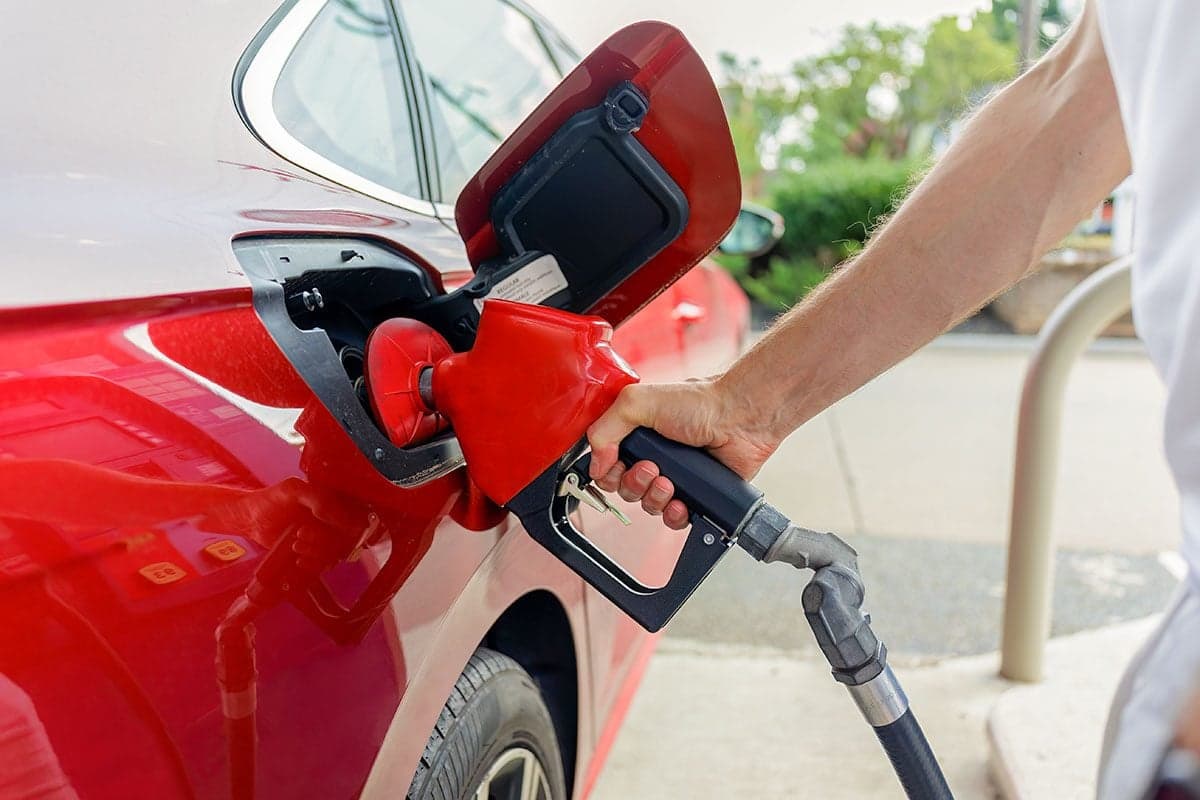
EPA To Allow Gas Stations To Dilute Your Gas More… Will It Save You Money or Cost You?
Why It Matters
E15’s broader availability could deliver short‑term savings for consumers but also introduces engine‑compatibility risks and broader market impacts, making the trade‑off critical for drivers and policymakers.
Key Takeaways
- •EPA waiver permits E15 nationwide from May 1
- •E15 can lower pump price by 10‑30 cents per gallon
- •Pre‑2001 vehicles risk gasket leaks with E15
- •Small engines may corrode due to ethanol’s hygroscopic nature
- •Higher ethanol use could push corn prices, affecting food costs
Pulse Analysis
The EPA’s temporary waiver that lifts the summer ban on 15‑percent ethanol gasoline (E15) reflects a strategic response to volatile fuel markets after geopolitical tensions raised U.S. gasoline prices. By expanding the domestic ethanol supply chain, regulators hope to shave 10‑30 cents off the retail pump price and cushion drivers ahead of the peak travel season. Ethanol, derived primarily from corn, also offers a renewable component that can reduce dependence on crude oil, a factor that resonates with policymakers seeking energy security. The waiver, initially set for May 1‑20, may be extended if price pressures persist.
From a mechanical standpoint, E15 is compatible with most model‑year‑2000‑and‑newer cars, but older engines and a wide range of small‑engine equipment remain vulnerable. The higher ethanol blend can accelerate fuel degradation, attract moisture, and erode rubber seals, leading to gasket leaks, clogged carburetors, and premature wear of aluminum components. Real‑world testing shows a modest 0.5‑MPG drop in fuel economy, translating to roughly a 2 % efficiency penalty that may offset the modest price savings for low‑mileage drivers. Fleet operators, in particular, are advised to audit fuel contracts to avoid inadvertent E15 exposure.
Beyond the pump, the waiver carries indirect economic and environmental trade‑offs. Increased corn demand for ethanol can lift commodity prices, nudging up beef and other food costs, while the oxygen‑rich burn of E15 may elevate summertime ozone formation, a known public‑health risk. Consumers therefore face a nuanced decision: weigh short‑term fuel‑cost relief against potential vehicle maintenance expenses and broader market impacts. As the waiver’s end date approaches, market observers will monitor whether the temporary price dip justifies the associated risks. Regulators will also track ozone metrics to assess whether the environmental cost outweighs the economic benefit.
EPA To Allow Gas Stations To Dilute Your Gas More… Will It Save You Money or Cost You?
Comments
Want to join the conversation?
Loading comments...