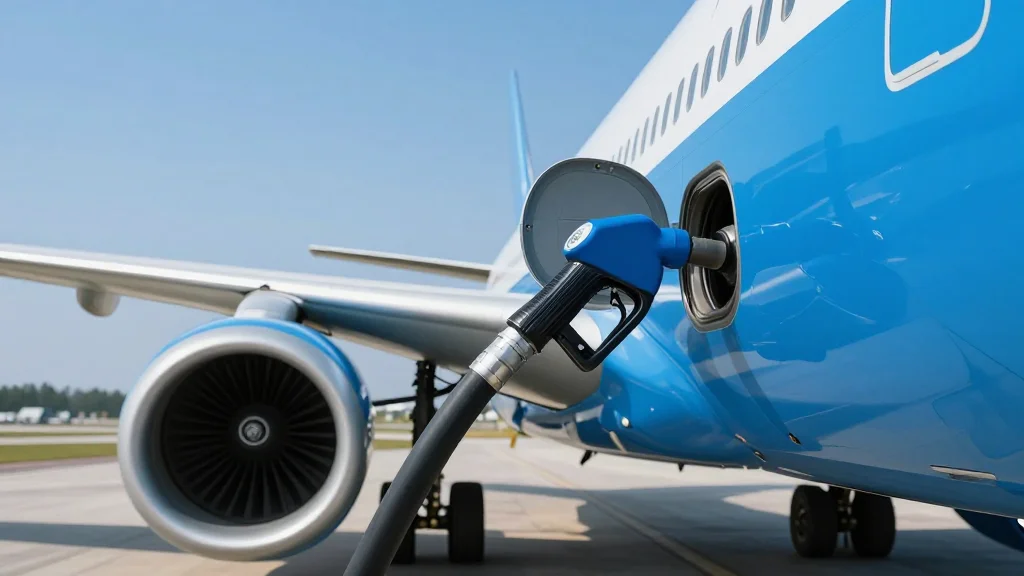
EU Authorizes Use of US Jet Fuel to Mitigate Supply Chain Disruptions
Why It Matters
The authorization safeguards European airline operations against a prolonged Middle East supply shock, preserving schedule reliability and limiting fare spikes. It also signals tighter regulatory scrutiny of fuel use amid broader energy‑security concerns.
Key Takeaways
- •EU authorizes U.S. Jet A fuel to offset Hormuz supply crunch
- •EASA says Jet A safe if managed alongside Jet A‑1
- •Passenger compensation rules stay unchanged despite higher fuel costs
- •Lawmakers consider limiting private jet flights to preserve fuel for essential services
Pulse Analysis
The closure of the Strait of Hormuz, a critical artery for global oil shipments, has forced the EU to rethink its aviation fuel strategy. By permitting the import of U.S. Jet A, European regulators aim to diversify supply sources and cushion airlines from price volatility that could otherwise cascade into higher ticket prices and reduced flight frequencies. This policy shift underscores the interconnectedness of geopolitical events and regional transport logistics, highlighting the EU’s proactive stance in mitigating supply‑chain disruptions.
Jet A differs from the globally adopted Jet A‑1 primarily in its freezing point, making it less suitable for ultra‑cold, long‑haul routes. EASA’s clearance hinges on airlines’ ability to segregate and manage the two fuel types within the same fueling infrastructure, a logistical challenge that carriers must address through updated procedures and staff training. The safety argument rests on rigorous monitoring and the limited use of Jet A on routes where temperature conditions remain within acceptable limits, ensuring that performance standards are not compromised.
Beyond immediate operational concerns, the decision carries broader market implications. By keeping passenger‑protection regulations intact, the EU signals that airlines cannot pass fuel‑price shocks onto consumers through cancellation exemptions, preserving consumer confidence. Simultaneously, proposals to curb non‑essential private jet flights reflect a growing emphasis on equitable fuel allocation during crises. Together, these measures illustrate a balanced approach that protects both the aviation sector’s stability and broader public interests in an era of heightened energy uncertainty.
EU Authorizes Use of US Jet Fuel to Mitigate Supply Chain Disruptions
Comments
Want to join the conversation?
Loading comments...