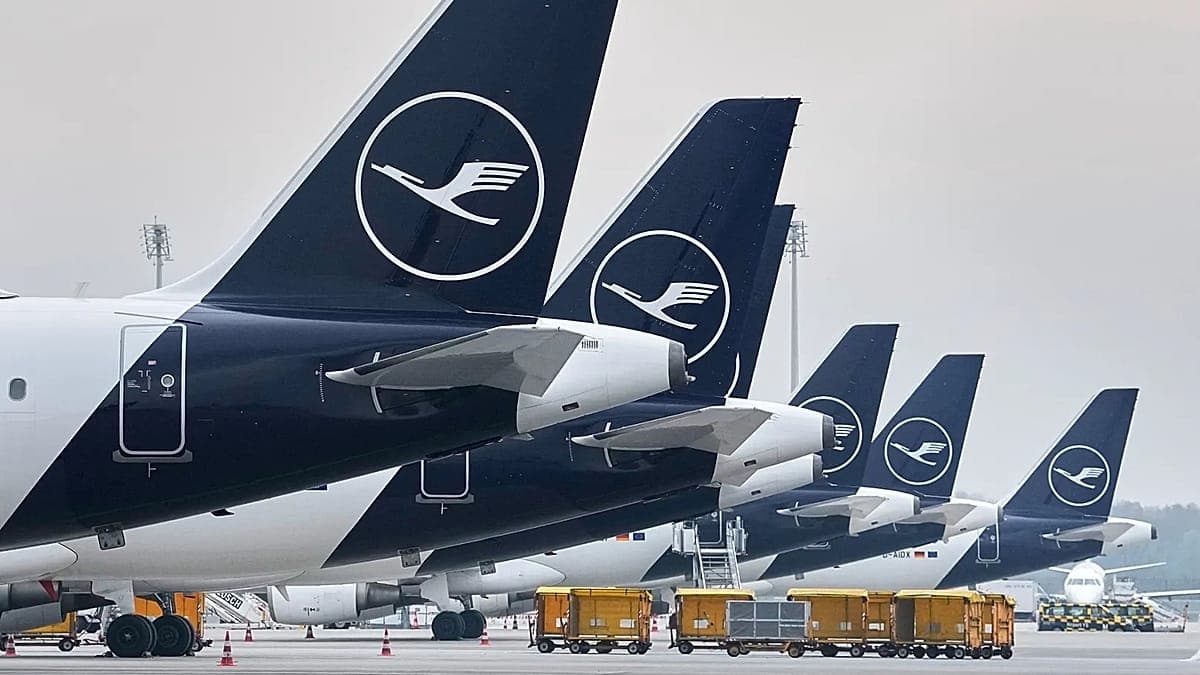
Europe Has Six Weeks of Jet Fuel Left Caused by 'Dire Strait' Crisis, IEA Chief Warns
Companies Mentioned
Why It Matters
A jet‑fuel crunch threatens flight cancellations across Europe, raising travel costs and adding pressure to an already volatile energy market. The situation also underscores how geopolitical chokepoints can ripple through global supply chains and inflation dynamics.
Key Takeaways
- •Europe holds roughly six weeks of jet fuel reserves, per IEA
- •Jet fuel shortages could start May if Hormuz remains blocked
- •Britain, Iceland, Netherlands face lowest fuel stocks; Austria, Bulgaria, Poland safe
- •Airlines seek EU real‑time jet fuel data; US imports unlikely soon
- •Prolonged blockade risks broader inflation and economic slowdown worldwide
Pulse Analysis
The Strait of Hormuz, through which about 20% of global crude oil and LNG pass, has been effectively sealed since the February 28 air strikes that escalated the Iran conflict. This bottleneck has forced oil tankers to reroute around Africa, inflating freight costs and delaying deliveries. Europe, heavily reliant on Middle‑East jet fuel imports, now faces a critical inventory window of roughly six weeks, according to IEA chief Fatih Birol. The immediate risk is a supply squeeze that could force airlines to trim schedules, especially on routes served by smaller, inland airports that lack large fuel reserves.
Airlines and airport operators are scrambling for visibility. The European trade group Airlines for Europe (A4E) has urged the Commission to mandate real‑time reporting of jet‑fuel stocks, arguing that better data would enable more accurate capacity planning and mitigate passenger disruptions. Fuel majors such as TotalEnergies warn that prolonged blockades could strain their ability to meet contractual obligations, while the prospect of importing U.S. jet fuel—produced to a slightly different specification—remains a distant option due to regulatory and logistical constraints. The lack of transparent data also hampers market pricing, potentially driving up jet‑fuel costs and, by extension, ticket prices.
Beyond aviation, the jet‑fuel shortage is a bellwether for broader economic stress. Higher fuel costs feed into airline operating expenses, which cascade into higher airfare and freight rates, feeding inflationary pressures across the continent. Emerging economies in Asia and Africa, already vulnerable to rising energy prices, could see trade balances deteriorate as import bills swell. Policymakers face a delicate balance: securing alternative supply routes while avoiding precedent‑setting toll regimes that could empower other chokepoints. The longer the Hormuz impasse endures, the more likely we will see a spillover into global growth forecasts, reinforcing the strategic imperative of diversifying energy logistics.
Europe has six weeks of jet fuel left caused by 'dire strait' crisis, IEA chief warns
Comments
Want to join the conversation?
Loading comments...