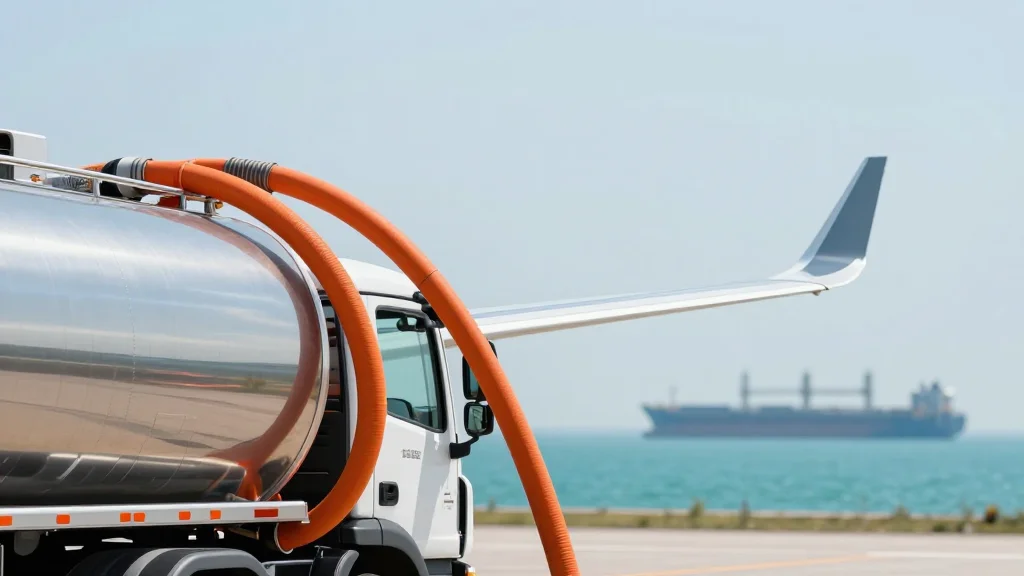
European Airports Risk Jet Fuel Shortage by May Due to Hormuz Crisis
Companies Mentioned
Why It Matters
The fuel squeeze threatens flight schedules, ticket prices and profitability for European carriers, and could force regulators to intervene to safeguard critical air‑transport infrastructure.
Key Takeaways
- •Jet‑fuel price surged to $197.83 per barrel, 99% above February levels
- •European airports risk systemic shortages if Hormuz traffic remains disrupted
- •Airlines are cutting 2‑10% of capacity to offset $2 billion fuel hit
- •Lufthansa pilots’ strike adds labor strain to already tight fuel supply
Pulse Analysis
The Strait of Hormuz has long been a chokepoint for global energy flows, handling roughly one‑fifth of daily oil shipments. The recent escalation of hostilities has triggered 22 confirmed missile and drone attacks on vessels, prompting a near‑shutdown that sent crude futures soaring above $92 per barrel. This price shock ripples through the aviation sector because jet fuel is a direct derivative of crude, and the sudden jump to $197.83 per barrel erodes airline margins and strains fuel inventories worldwide.
European airports, which rely heavily on Middle‑Eastern jet‑fuel imports, are now confronting a supply‑chain bottleneck. ACI Europe’s warning to the European Commission underscores the urgency: without stable traffic through Hormuz within three weeks, airports could experience “systemic” shortages by May. The situation has already prompted temporary fuel rationing at four Italian airports and forced carriers such as Delta, Cathay Pacific and Vietnam Airlines to slash capacity by up to 10%. These cuts reflect a broader industry trend of trimming unprofitable routes and passing higher surcharges onto passengers.
Looking ahead, the convergence of geopolitical risk, soaring fuel costs and labor disruptions—exemplified by Lufthansa’s pilots’ strike—creates a volatile operating environment. Regulators may need to coordinate fuel reserve monitoring, expedite alternative supply routes, or consider strategic stockpiles to mitigate future shocks. Airlines are also exploring hedging strategies and fuel‑efficiency investments to buffer against price volatility. The Hormuz crisis thus serves as a stark reminder that geopolitical stability remains a cornerstone of aviation’s economic health.
European Airports Risk Jet Fuel Shortage by May Due to Hormuz Crisis
Comments
Want to join the conversation?
Loading comments...