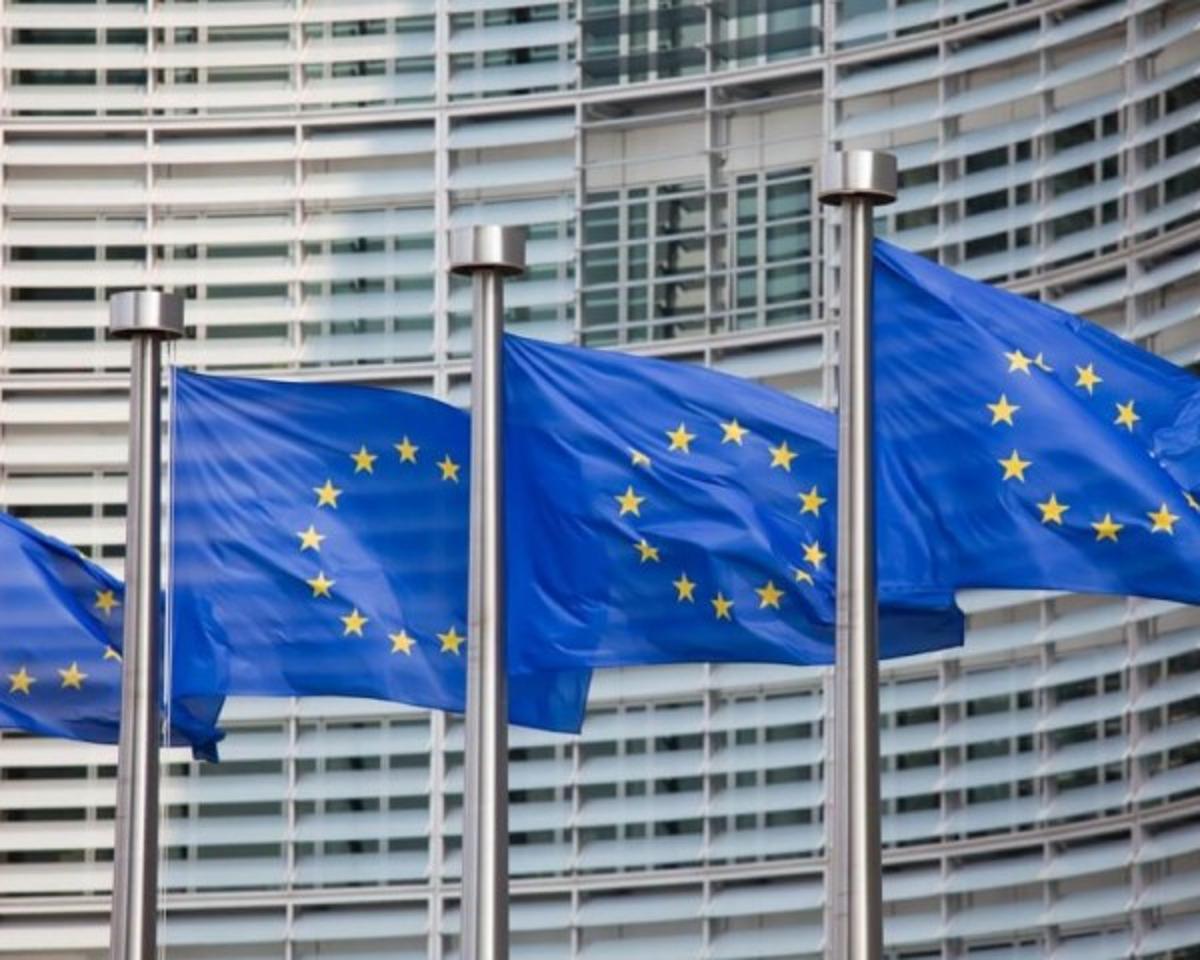
EUROPEAN COMMISSION CALLS FOR CUTTING AIR TRAVEL AND BOOSTING TELEWORKING
Why It Matters
By tackling the immediate energy‑price shock, the initiative gives businesses a cost‑effective alternative to flying while fast‑tracking the EU’s emissions‑reduction agenda, strengthening supply‑chain resilience.
Key Takeaways
- •EU draft targets €22 bn ($23.8 bn) higher energy import costs
- •Commission urges firms to cut business‑flight mileage
- •Teleworking promoted to offset commuter and long‑haul travel emissions
- •EU funds bike‑share, EV charging, and traffic‑free days
- •Cities may restrict private cars during peak hours
Pulse Analysis
The Energy Action Plan arrives at a moment of heightened geopolitical tension, as the Strait of Hormuz shutdown has sent oil and gas prices soaring. European policymakers are using the crisis as a catalyst to accelerate long‑standing climate objectives, coupling short‑term energy security with structural shifts in mobility. By quantifying the €22 billion import cost spike, the Commission underscores the fiscal urgency that drives its push for remote work and reduced aviation, offering firms a clear economic incentive to rethink travel policies.
Beyond immediate cost savings, the plan’s urban‑mobility components signal a broader transformation of European cities. Subsidies for bike‑sharing schemes, expanded pedestrian zones, and regular traffic‑free days aim to reshape commuter habits, while massive investment in electric‑vehicle charging infrastructure lowers barriers to EV adoption. These measures not only cut fossil‑fuel consumption but also create new markets for clean‑tech firms and stimulate job growth in sustainable transport sectors.
Regulatory flexibility is another cornerstone of the strategy. By allowing member states to tailor tax incentives and power‑price reforms to local conditions, the EU hopes to accelerate electric mobility without a one‑size‑fits‑all approach. This decentralized model could serve as a template for other regions facing energy volatility, demonstrating how coordinated policy, fiscal incentives, and behavioral nudges can jointly deliver rapid emissions reductions while safeguarding economic stability.
EUROPEAN COMMISSION CALLS FOR CUTTING AIR TRAVEL AND BOOSTING TELEWORKING
Comments
Want to join the conversation?
Loading comments...