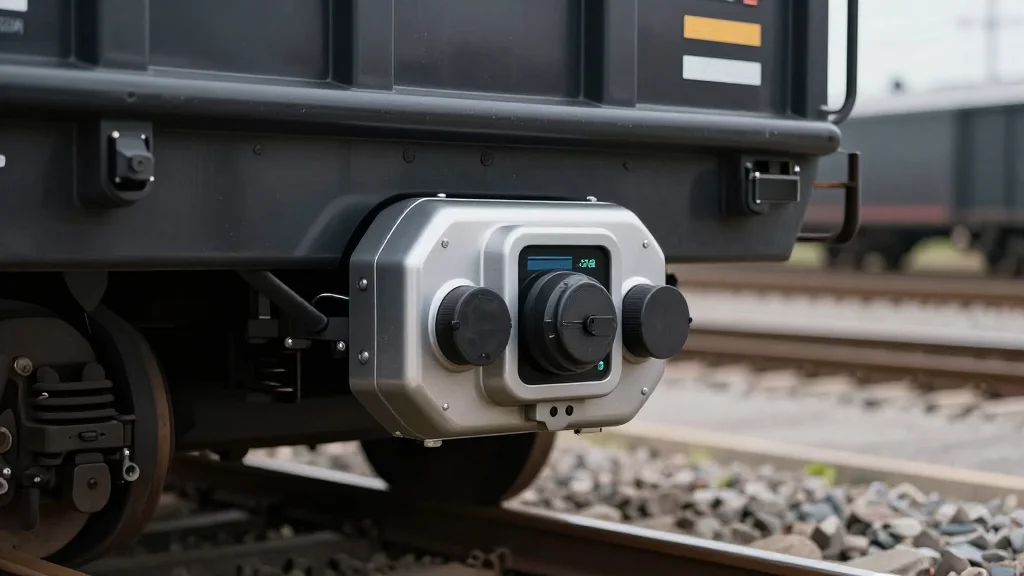
European DAC Pilot Project Concludes
Companies Mentioned
Why It Matters
DAC automation will make wagon coupling safer and faster, unlocking higher rail capacity and supporting the shift of freight from road to rail.
Key Takeaways
- •DAC proven ready for commercial deployment after six‑year pilot
- •Tests covered yards, cross‑border lines, and ferry services
- •Technical data will underpin Europe‑wide standardisation
- •Automation expected to cut coupling time and injury risk
- •Project involves major European rail operators and equipment firms
Pulse Analysis
The digital automatic coupler (DAC) marks a watershed moment for European rail freight, ending a century‑long reliance on manual screw couplings. Historically, coupling required workers to physically align and lock each wagon, a labor‑intensive process fraught with safety hazards. The DAC4EU pilot, spanning six years, subjected multiple DAC prototypes to real‑world scenarios—from busy marshalling yards to cross‑border corridors and even ferry services—demonstrating that the technology can reliably handle the diverse conditions of continental rail operations.
Beyond safety, DAC promises substantial efficiency gains. Automated coupling can slash the time required to assemble a train, reducing dwell times at terminals and enabling tighter scheduling. Faster train formation translates into higher asset utilization and lower operating costs, making rail a more competitive option for shippers. Moreover, by facilitating smoother, more reliable freight movements, DAC supports broader decarbonisation goals, encouraging a modal shift from trucks to rail and helping European policymakers meet climate targets.
With the pilot’s success, the consortium—led by DB and supported by Germany’s Federal Ministry of Transport—has supplied the technical blueprint for a Europe‑wide standard. The next phase will involve integrating DAC into national rail programs and harmonising specifications across borders. Major operators such as DB Cargo, SBB Cargo, and Rail Cargo Austria are poised to adopt the system, creating a market for equipment manufacturers like GATX Rail Europe and VTG Rail Europe. As the rollout progresses, the rail industry can expect a new era of automated freight handling, heightened safety standards, and increased capacity to meet growing demand.
European DAC pilot project concludes
Comments
Want to join the conversation?
Loading comments...