EV Journey at a Crossroads
Why It Matters
The rollout could make Thailand a Southeast Asian leader in green tourism and commercial EVs, while helping meet its 2050 net‑zero target and unlocking new revenue streams through carbon credits.
Key Takeaways
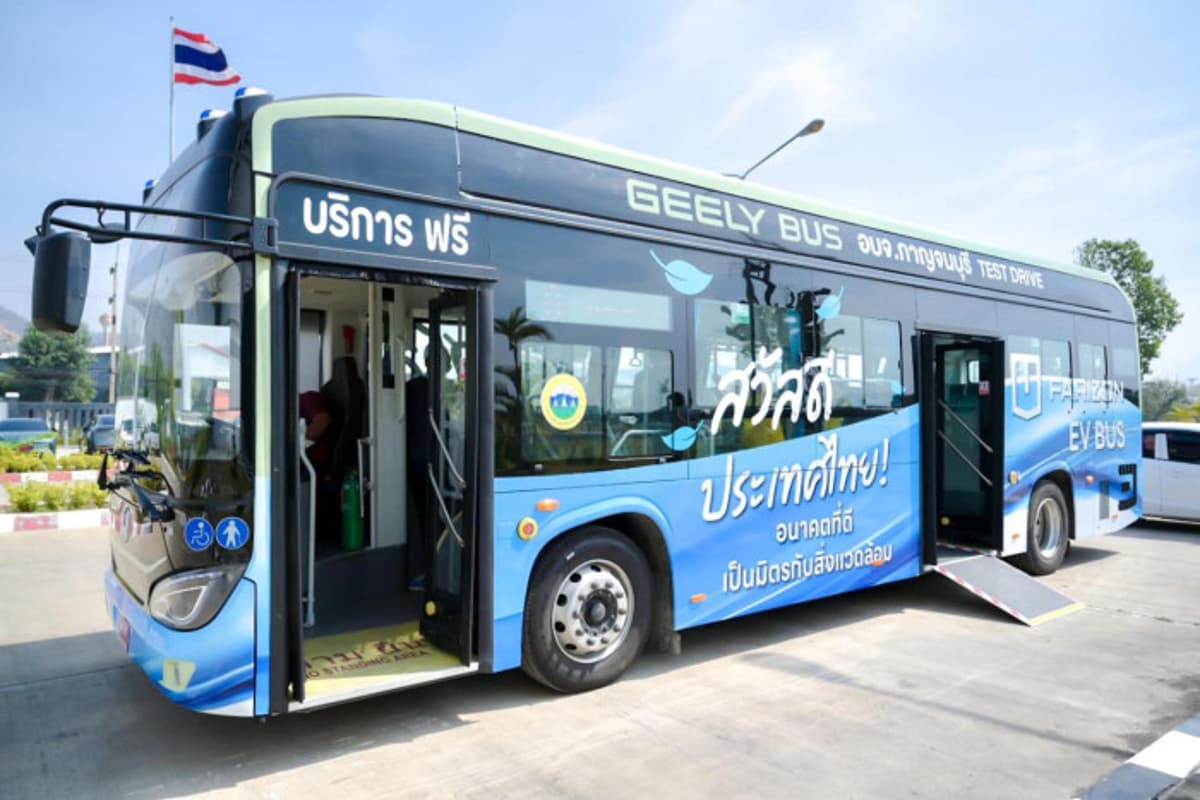
- •InnoPower launched 12 electric buses in Kanchanaburi, aiming for 200 nationwide
- •Transport Minister announced 1,520 electric bus purchases, deliveries 2025‑2028
- •EV trucks cost about $57k more than diesel, raising per‑trip costs
- •Charging stations and domestic battery factories are essential for scaling
- •Carbon credits from reduced emissions can offset EV investment costs
Pulse Analysis
Thailand’s commercial EV surge is moving beyond isolated pilots toward a coordinated national strategy. The Electricity Generating Authority’s InnoPower subsidiary rolled out a 12‑bus fleet in the tourist‑heavy Kanchanaburi province, with plans to reach 200 buses across the country. Meanwhile, the Transport Ministry has earmarked 1,520 electric buses for procurement, slated for delivery between 2025 and 2028, and airport operator AoT has introduced electric taxis priced at roughly $4.30 for the first two kilometres. These initiatives signal a clear policy push to embed electric mobility in public transport and green tourism.
Despite the enthusiasm, cost and infrastructure remain the biggest hurdles. An electric truck can cost up to $57,000 more than a comparable diesel model, and per‑trip operating expenses still exceed diesel by about $30. The country also lacks a robust charging network and domestic battery supply chain, prompting analysts to call for purchase incentives, streamlined regulations, and a focus on local component manufacturing. The forthcoming climate‑change bill could unlock funding for EV projects, while carbon‑credit schemes offer a way for operators to monetize emissions reductions, partially offsetting the higher capital outlay.
If Thailand can resolve these bottlenecks, it stands to capture a sizable share of the emerging Southeast Asian EV market. Investors in battery production, charging infrastructure, and vehicle conversion services could benefit from government‑backed incentives and a growing demand for low‑emission transport. Success would also reinforce Thailand’s ambition to meet its net‑zero goal by 2050, positioning the nation as a regional benchmark for sustainable mobility and green tourism development.
EV journey at a crossroads
Comments
Want to join the conversation?
Loading comments...