EV Prices Drop Again as the Gap with Gas Cars Hits a Record Low
Companies Mentioned
Why It Matters
A tighter EV‑ICE price gap and higher incentives improve affordability, accelerating consumer adoption and pressuring automakers to refine pricing strategies. The trend signals a pivotal shift toward mainstream electric mobility in the United States.
Key Takeaways
- •EV average transaction price fell 2.8% YoY to $54,508 in March.
- •EV‑ICE price gap shrank to $5,800, the smallest on record.
- •Average EV incentive rose to 14.6% of price, about $8,000.
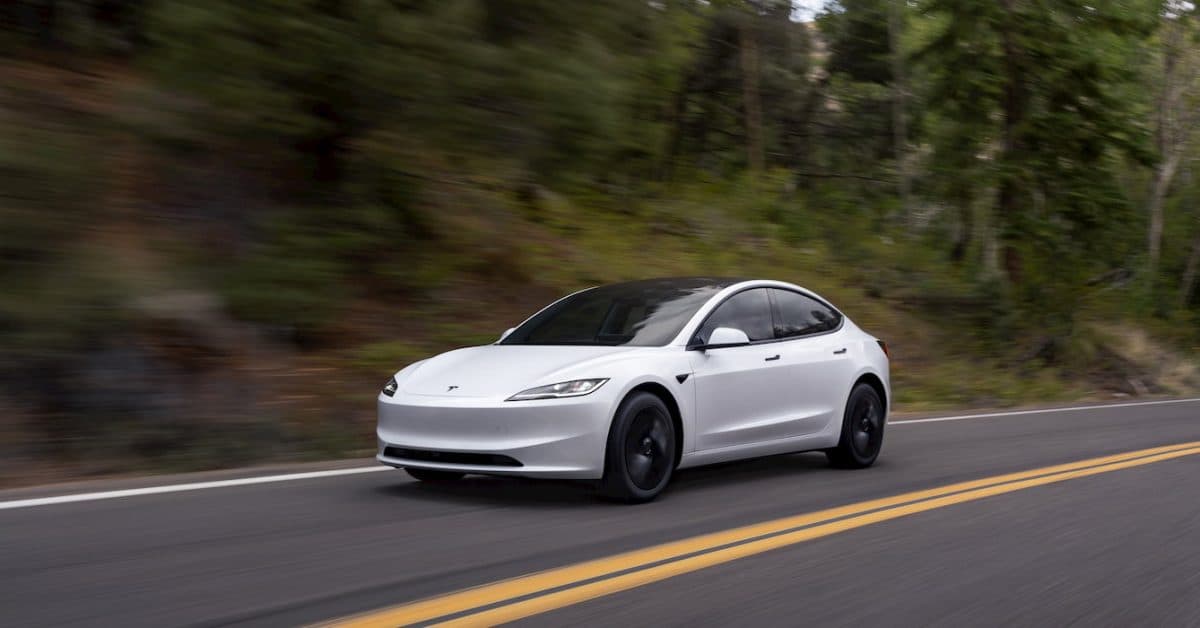
- •Tesla’s March transaction price dropped 2.6% YoY to $53,421.
- •Tesla US sales slipped 8.4% YoY, but deliveries rose 6.1% MoM.
Pulse Analysis
The recent dip in electric‑vehicle pricing reflects a confluence of market forces, from falling battery‑pack costs to intensified competition among legacy automakers and new entrants. As manufacturers scale production and secure cheaper raw materials, the economies of scale translate into lower sticker prices, making EVs increasingly comparable to internal‑combustion models. Analysts view this price convergence as a critical catalyst for broader market penetration, especially in price‑sensitive segments that have historically favored gasoline cars.
At the same time, incentive structures are evolving to offset the loss of the federal tax credit, with manufacturers collectively offering discounts that now average 14.6% of the transaction price—roughly $8,000 per vehicle. These dealer and manufacturer rebates serve a dual purpose: they sustain demand while allowing brands to maintain brand‑level pricing integrity. For consumers, the higher cash‑back approach reduces upfront out‑of‑pocket costs, a factor that research shows heavily influences purchase decisions in the EV space. The growing reliance on incentives underscores the transitional nature of the market as it seeks a sustainable pricing equilibrium.
Tesla’s pricing adjustments illustrate how a dominant player can shape market dynamics. By trimming its average transaction price to $53,421 and boosting incentives to 12.3% of the sale price, Tesla is pressuring rivals to follow suit. Although its U.S. sales volume fell 8.4% year‑over‑year, the month‑to‑month delivery uptick suggests a rebound driven by more attractive pricing. This pattern hints at a broader industry shift: as price gaps close, manufacturers will likely prioritize cost efficiency and value‑added services over premium pricing, accelerating the transition to an electric‑first automotive landscape.
EV prices drop again as the gap with gas cars hits a record low
Comments
Want to join the conversation?
Loading comments...