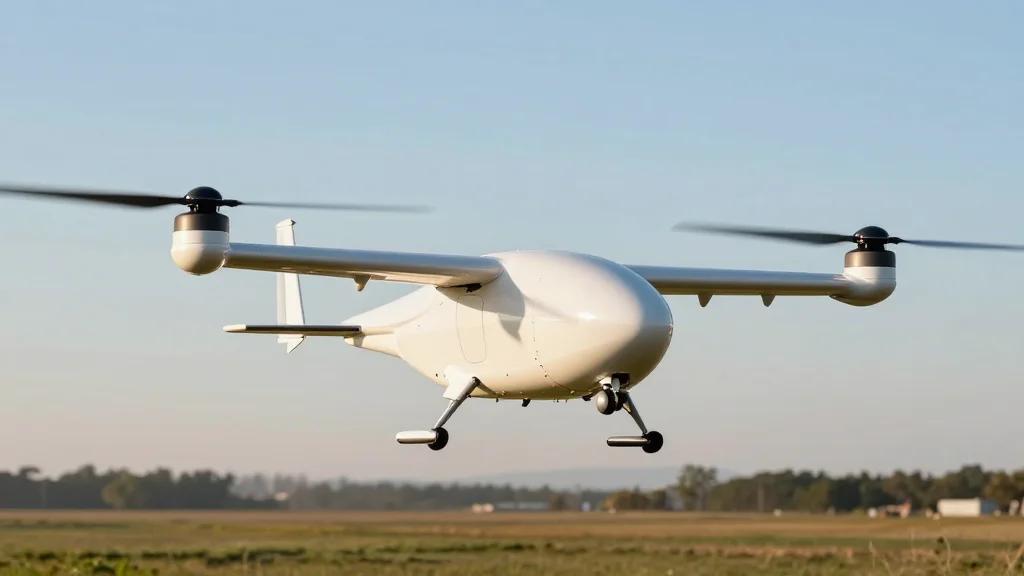
Eve Advances eVTOL Flight Testing with Prototype Demo
Why It Matters
Eve's progress validates key performance metrics for urban air mobility, reducing technical risk and signaling Brazil’s growing role in the global eVTOL race. Successful testing accelerates pathways to certification and commercial entry, influencing investors and regulators.
Key Takeaways
- •Eve's eVTOL prototype completed 35 flights, 1.5 hours total
- •Reached 140 ft altitude, validating three‑axis control maneuvers
- •Propulsion and battery performance exceeded initial expectations
- •Noise levels remain below conventional helicopter benchmarks
- •Brazilian financing totals $288 million supporting development and certification
Pulse Analysis
The eVTOL sector is entering a decisive phase as manufacturers shift from concept to flight‑tested hardware. Eve Air Mobility, based in Brazil’s aerospace hub of São José dos Campos, has leveraged Embraer’s test facilities to demonstrate that its electric vertical takeoff and landing vehicle can reliably operate at low speeds while maintaining precise three‑axis control. By achieving a 140‑foot altitude and completing 35 flights, Eve joins a select group of companies that have moved beyond ground‑only validation, positioning itself as a credible contender in the burgeoning urban air mobility market.
Technical milestones reported by Eve underscore significant gains in propulsion efficiency and battery performance, both exceeding the company’s baseline projections. The aircraft’s noise signature, a critical factor for city operations, remains well below that of conventional helicopters, addressing a common public‑acceptance hurdle. Current flight tests focus on speeds up to 15 knots, with plans to double that to 30 knots in the coming weeks, expanding the flight envelope and gathering data essential for certification authorities. These results not only reduce development risk but also provide a data set that can inform regulatory frameworks for future eVTOL certification.
Financing remains a cornerstone of Eve’s rapid progress. Since 2022, Brazil’s development bank BNDES has supplied roughly $271 million, complemented by $17 million in grants from the national research agency Finep, totaling about $288 million in public‑sector support. This capital underwrites not only flight testing but also Eve’s broader ecosystem initiatives, including its urban traffic management platform, Eve Vector, and aftermarket services via Eve TechCare. As regulators and municipalities worldwide evaluate eVTOL integration, Eve’s demonstrated performance and robust financing signal a scalable path to market entry, potentially reshaping regional mobility and prompting further investment in the sector.
Eve advances eVTOL flight testing with prototype demo
Comments
Want to join the conversation?
Loading comments...