
Why It Matters
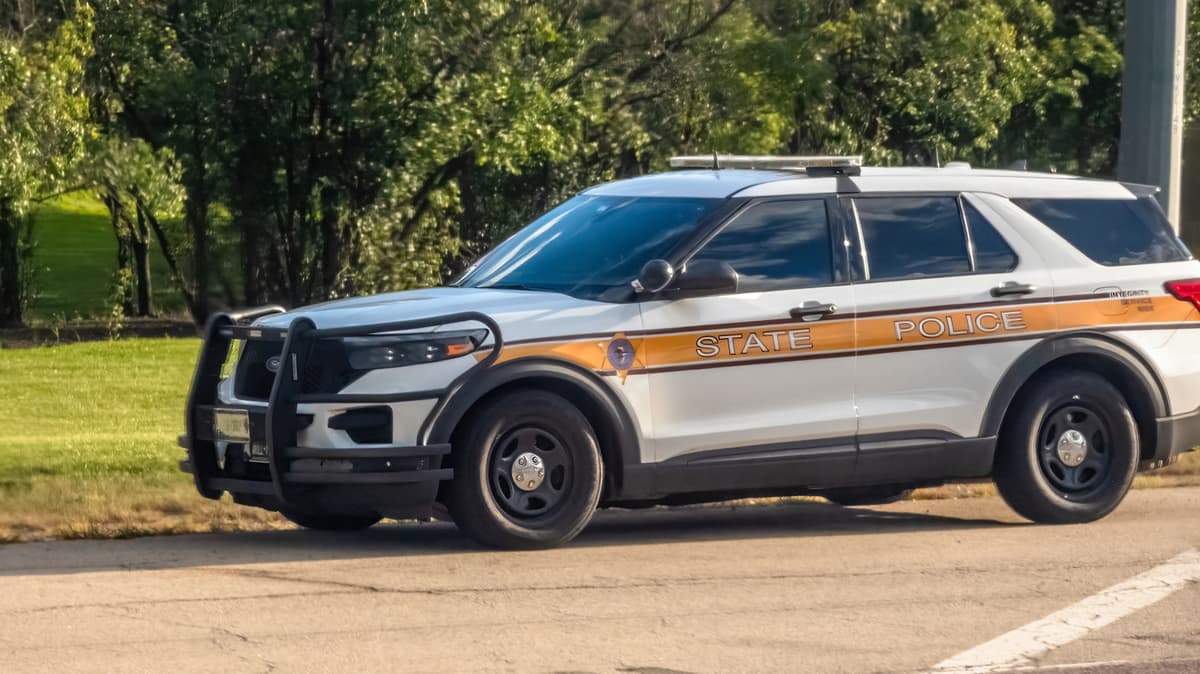
An aging police fleet strains public‑safety budgets and can degrade response capabilities, highlighting the need for sustainable fleet financing. Illinois’ predicament underscores how funding structures directly affect operational readiness across state law‑enforcement agencies.
Key Takeaways
- •Illinois police fleet overdue for 1,067 vehicle replacements.
- •Funding shortfall: $7M income vs $120K per car.
- •Replacement timeline extends to 18 years under current budget.
- •Kansas limits patrol cars to 50,000 miles, reselling them profitably.
- •Proactive fleet policy saves maintenance costs and preserves vehicle value.
Pulse Analysis
Rising vehicle prices are not just a consumer issue; they ripple through government budgets, especially for agencies that rely on specialized, fully equipped cars. Illinois’ police fleet illustrates how a modest $1 license‑plate surcharge, once sufficient, now yields only $7 million amid $120,000 per‑unit costs. The resulting funding gap forces the department to stretch replacements over nearly two decades, risking higher maintenance expenses and potential gaps in law‑enforcement coverage.
Kansas offers a contrasting model that leverages disciplined mileage limits and a secondary market for near‑new cruisers. By retiring vehicles at 50,000 miles—typically within 12‑18 months—the state preserves resale value and minimizes warranty repairs. The proceeds from these sales, combined with targeted title‑fee allocations, fund continuous procurement of fresh units. This proactive lifecycle management reduces total cost of ownership, keeps technology current, and sustains operational readiness without relying on ad‑hoc appropriations.
For Illinois, adopting a similar mileage‑based replacement policy could unlock significant savings and improve fleet reliability. Policymakers might consider augmenting the vehicle fund with a modest increase in plate fees or earmarking a portion of state surplus for fleet renewal. Regional collaboration with neighboring states on bulk vehicle purchases or shared resale platforms could also stretch limited dollars further. Ultimately, modernizing the police fleet is not a luxury but a public‑safety imperative that demands forward‑looking fiscal strategies.
Even Illinois State Police Can't Afford New Cars
Comments
Want to join the conversation?
Loading comments...