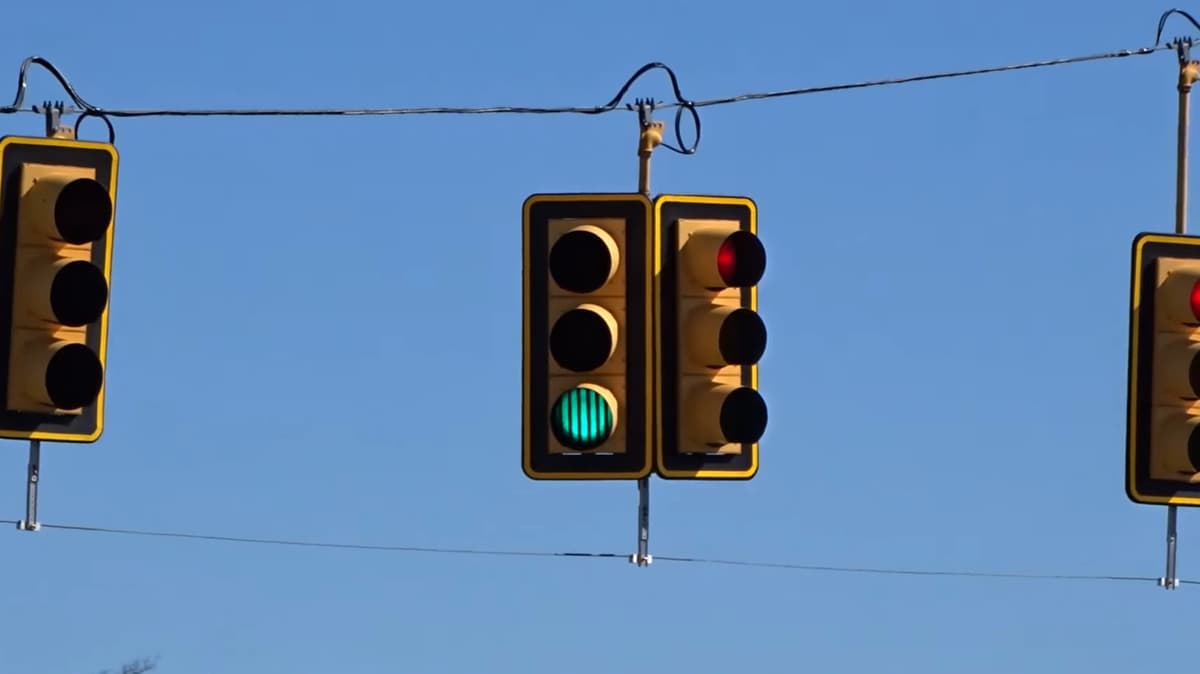
Ever Notice Some Traffic Lights Have Lines On Them? Here's What They're For
Why It Matters
Limiting lane‑specific visibility reduces intersection collisions and supports safer left‑turn maneuvers, a cost‑effective upgrade for municipalities.
Key Takeaways
- •Louvres mask green/yellow lights, showing them only to intended lane
- •Known as “Dallas display,” it prevents the dangerous “yellow trap.”
- •Primarily used on left‑turn signals; red lights rarely louvered
- •Simple louver installation cuts intersection crash risk without high tech
Pulse Analysis
Modern traffic engineering balances driver perception with physical infrastructure. Louvres—thin metal slats mounted over green and yellow lenses—create a lane‑specific visual field, a practice first codified in Dallas, Texas, and now replicated nationwide. By directing each driver’s line of sight to only the signal governing their lane, engineers mitigate visual clutter at complex intersections where multiple phases operate simultaneously. This hardware solution complements digital signal timing, offering a low‑maintenance method to enforce lane discipline without expensive software upgrades.
The "yellow trap" illustrates why the Dallas display matters. When a left‑turning driver sees a yellow indication for the straight‑ahead lane, they may incorrectly assume opposing traffic is also slowing, prompting an unsafe turn across a green‑moving flow. Studies by the Federal Highway Administration show that left‑turn collisions account for roughly 15% of intersection crashes, many linked to misread signals. By obscuring adjacent‑lane signals, louvres force drivers to rely on real‑time traffic assessment rather than misleading visual cues, thereby reducing the likelihood of premature turns and associated injuries.
Adoption of louvered signals is gaining traction as cities pursue cost‑effective safety upgrades. Installation typically involves retrofitting existing housings with slatted covers, a process that can be completed in a single night and costs a fraction of full signal replacement. As smart‑city initiatives expand, the Dallas display offers a tangible, low‑tech complement to connected vehicle data, ensuring that even legacy fleets benefit from enhanced intersection safety. Municipalities that prioritize such incremental improvements often see measurable drops in crash rates, reinforcing the value of simple, physics‑based design choices in modern traffic management.
Ever Notice Some Traffic Lights Have Lines On Them? Here's What They're For
Comments
Want to join the conversation?
Loading comments...