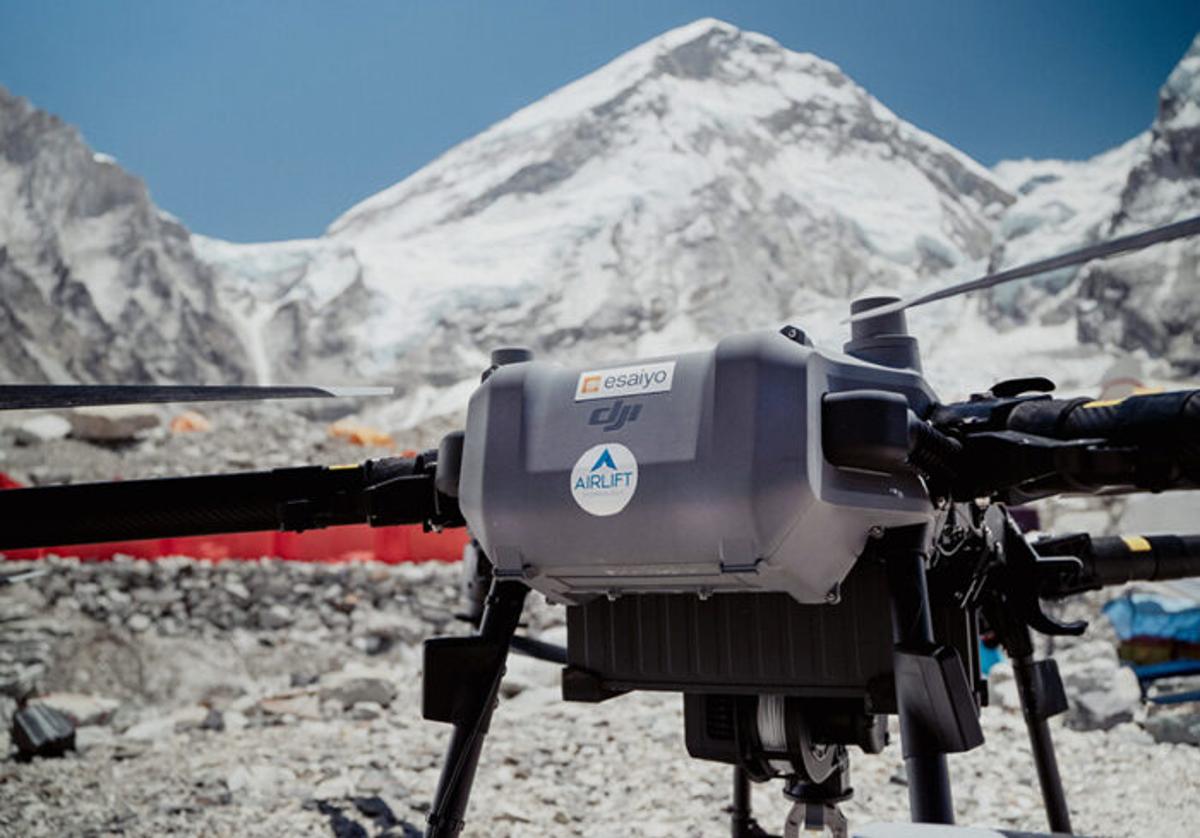
Everest Work Delayed Again as Authorities Ban Cargo Drones
Companies Mentioned
Why It Matters
Drones were a vital, low‑cost logistics lifeline that reduced porter risk and accelerated route clearance; the ban threatens expedition timelines, safety, and environmental cleanup on the world’s highest mountain.
Key Takeaways
- •Nepal revoked drone license amid UAV regulation concerns
- •DJI FlyCart 100 and FreeFly Alta X Gen 2 both blocked
- •Drones could transport 50 kg per flight, easing porter workload
- •Expedition costs $6.50 per kilo for airlifted supplies
- •Helicopter permits limited to ten flights, insufficient for demand
Pulse Analysis
The introduction of cargo drones on Everest last year marked a turning point for high‑altitude logistics. By ferrying up to 50 kg from Base Camp to Camp 1 for roughly $6.50 per kilogram, the service cut down on manual porter trips, sped up the delivery of critical oxygen cylinders, and promised to haul 10,000 kg of waste down the mountain. The DJI FlyCart 100, adapted for thin air, proved especially effective during the three‑week Icefall shutdown, keeping climbers moving while reducing exposure to hazardous serac zones.
The sudden revocation stems from Nepal’s tightening of its Unmanned Aerial Vehicle Operations Regulations and broader geopolitical friction between China and the United States. Authorities cited “security sensitivities” and a need for wider stakeholder consultation, effectively blocking both the Chinese‑origin drone and the U.S.‑made FreeFly Alta X Gen 2. With the license withdrawn, expedition operators are forced to rely on a tentative ten‑flight helicopter quota, which is insufficient to meet the surge in demand after the Icefall reopened. The delay also threatens the planned waste‑removal mission, raising environmental concerns for the fragile Himalayan ecosystem.
Looking ahead, the Everest episode underscores the fragile regulatory landscape for commercial drones in remote, high‑risk environments. Operators will need to navigate not only technical challenges of altitude and weather but also evolving national security policies that can abruptly curtail services. Stakeholders are likely to push for clearer, internationally harmonized UAV guidelines, while investors watch for alternative solutions such as tethered power systems or hybrid air‑ground logistics. The outcome will shape the future of mountain‑side supply chains and could set a precedent for drone use in other extreme‑terrain industries.
Everest Work Delayed Again as Authorities Ban Cargo Drones
Comments
Want to join the conversation?
Loading comments...