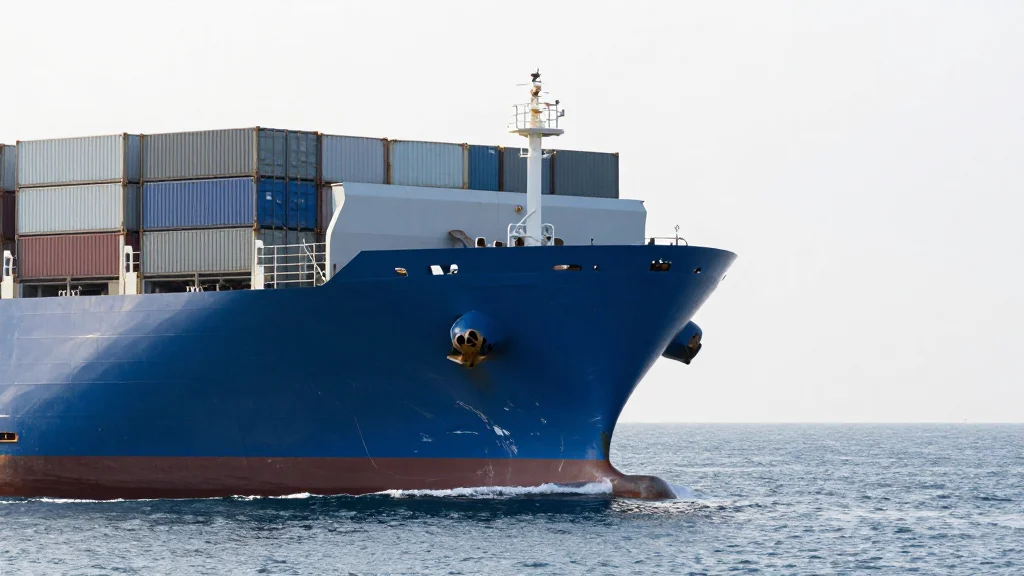
Evergreen Marine Reports 70% Q1 Profit Drop as Global Shipping Demand Slows

Companies Mentioned
Why It Matters
Evergreen Marine’s earnings plunge signals a turning point for the container shipping industry, where the extraordinary freight‑rate spikes of 2021‑2022 are giving way to a more balanced market. Lower rates erode carrier margins, prompting consolidation, fleet rationalization and accelerated investment in fuel‑efficient vessels. For shippers, the shift could translate into lower transportation costs, but also greater volatility as carriers vie for market share in an oversupplied environment. Investors will watch Evergreen’s strategic adjustments closely, as they may set a template for how legacy carriers navigate the transition to greener, cost‑constrained operations. The profit decline also reverberates through related sectors—port operators, logistics providers and manufacturers—who depend on predictable shipping costs. A sustained downturn could delay inventory replenishment cycles, affect pricing of consumer goods, and influence global trade policy discussions around capacity management and environmental standards.
Key Takeaways
- •Evergreen Marine’s Q1 net profit fell ~70% YoY, the steepest decline since the pandemic boom.
- •SCFI freight index has retreated sharply, shifting pricing power back to shippers.
- •Operating costs rose due to higher labor, fuel and compliance expenses, despite lower revenue.
- •New‑build vessel deliveries over the next 18 months threaten to deepen overcapacity.
- •Evergreen is retiring older ships and focusing on high‑demand routes to protect margins.
Pulse Analysis
Evergreen’s profit collapse is less a surprise than a symptom of a market that has finally corrected after two years of extraordinary demand spikes. The carrier’s 70% drop, while dramatic, is anchored to a peak that few could sustain. What matters now is how quickly Evergreen can trim excess capacity and align its fleet with realistic demand forecasts. The decision to retire older, fuel‑inefficient vessels is prudent; it not only cuts operating costs but also positions the company to meet tightening IMO emissions standards without incurring prohibitive retrofitting expenses.
The influx of new‑build ships, many of which are larger and more fuel‑efficient, will reshape the competitive landscape. Carriers that can quickly integrate these assets into profitable routes will gain an edge, while those stuck with older tonnage may face margin compression. Evergreen’s focus on high‑demand corridors suggests a shift toward a hub‑and‑spoke model that maximizes vessel utilization, but it also raises the risk of over‑reliance on a narrower set of trade lanes.
From an investor perspective, Evergreen’s solid cash reserves provide a buffer, yet the market will likely price in a longer period of subdued earnings. The broader implication for the transportation sector is a push toward operational efficiency and sustainability, as carriers balance the twin pressures of cost control and regulatory compliance. Companies that can innovate in fuel technology, digital route optimization, and flexible capacity management will emerge stronger in the post‑boom era.
Evergreen Marine Reports 70% Q1 Profit Drop as Global Shipping Demand Slows
Comments
Want to join the conversation?
Loading comments...