Exception Management Is Emerging as the New Supply Chain Control Layer
Why It Matters
Exception management directly links volatility mitigation to operational profit, turning data overload into decisive, value‑creating action. Companies that master this layer gain a competitive edge in speed and cost efficiency.
Key Takeaways
- •Exception management shifts focus from visibility to proactive issue resolution
- •Modern layers must detect, prioritize, route, and recover from exceptions
- •AI enhances classification and routing but cannot replace defined business rules
- •Legacy control towers generate noise; new systems reduce alerts and accelerate decisions
Pulse Analysis
The supply chain technology landscape is undergoing a paradigm shift. For years, control towers promised better outcomes through richer visibility, but most large enterprises already capture granular shipment, inventory, and supplier data. The bottleneck has moved from seeing events to interpreting them, making exception management the next strategic control layer. By automatically flagging only material variances, firms can cut through the noise that traditionally overwhelms operations teams, allowing resources to focus on issues that truly impact service levels and margins.
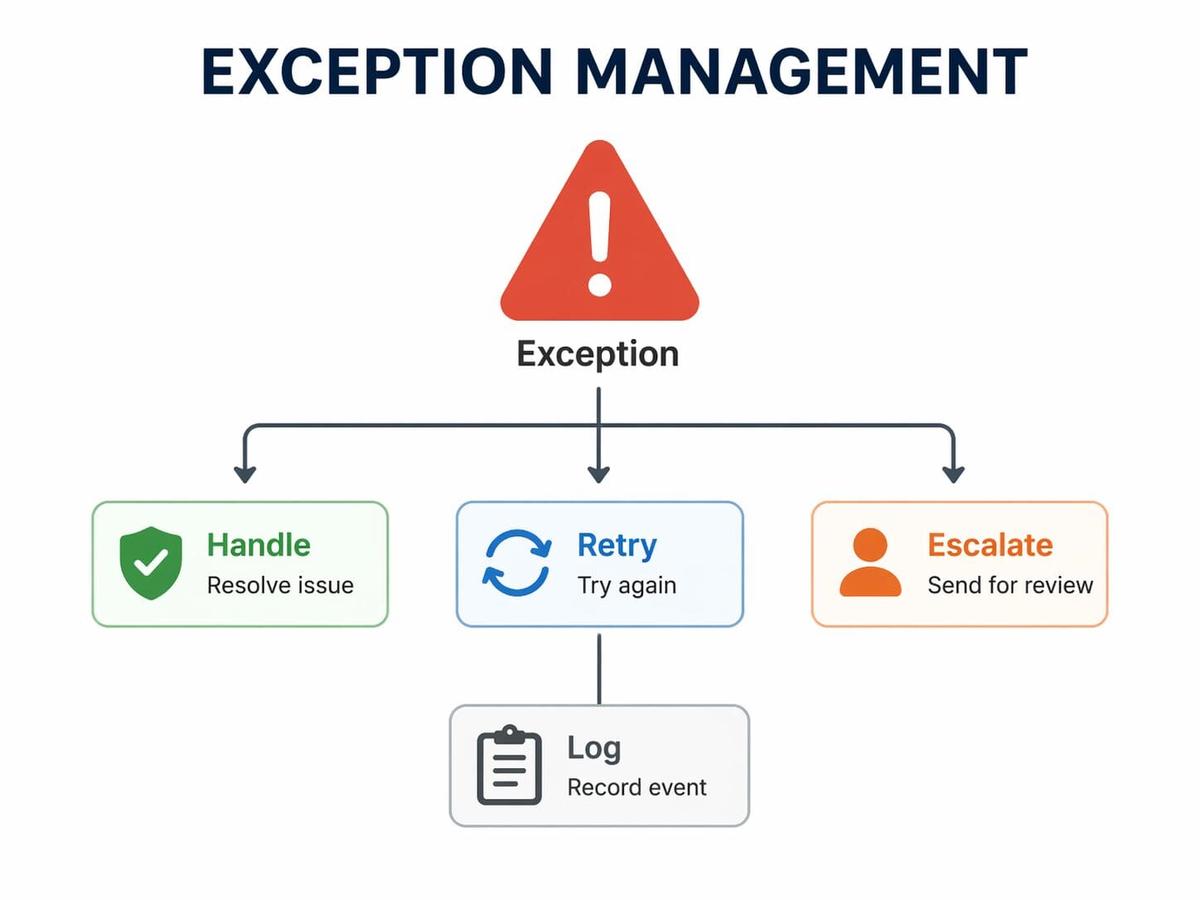
A robust exception‑management system performs four core functions: early detection of relevant deviations, business‑impact classification, intelligent routing to the right stakeholder or automation, and context‑rich recovery support. This framework transforms raw data into actionable insight, shortening decision cycles and preventing small glitches from snowballing into costly disruptions. AI plays a supporting role, enhancing pattern recognition, correlation, and routing accuracy, but it cannot replace the governance structures that define what constitutes a material exception and who holds escalation authority.
The business implications are profound. Companies that adopt an effective exception layer can reduce alert fatigue, improve response times, and ultimately protect profit margins in an increasingly volatile market. Legacy control towers, which merely display events, risk becoming obsolete as they fail to drive action. In contrast, next‑generation platforms that blend AI‑assisted classification with clear operating rules enable enterprises to recover faster from disruptions, delivering a measurable competitive advantage in speed, cost control, and customer satisfaction.
Exception Management Is Emerging as the New Supply Chain Control Layer
Comments
Want to join the conversation?
Loading comments...