Extreme Temps Reduce Hybrid, EV Efficiency: AAA
Companies Mentioned
Why It Matters
Temperature‑driven efficiency losses directly affect ownership costs, influencing consumer preferences between hybrids and EVs. The findings highlight the need for manufacturers and policymakers to address climate resilience in vehicle design and charging infrastructure.
Key Takeaways
- •Hot 95°F cuts hybrid MPG by 12% and EV MPGe by 10.4%
- •Cold 20°F reduces EV range by 39% and MPGe by 35.6%
- •EV operating cost rises $32 per 1,000 mi at home in cold weather
- •Public chargers make EVs $86 more expensive per 1,000 mi than hybrids
Pulse Analysis
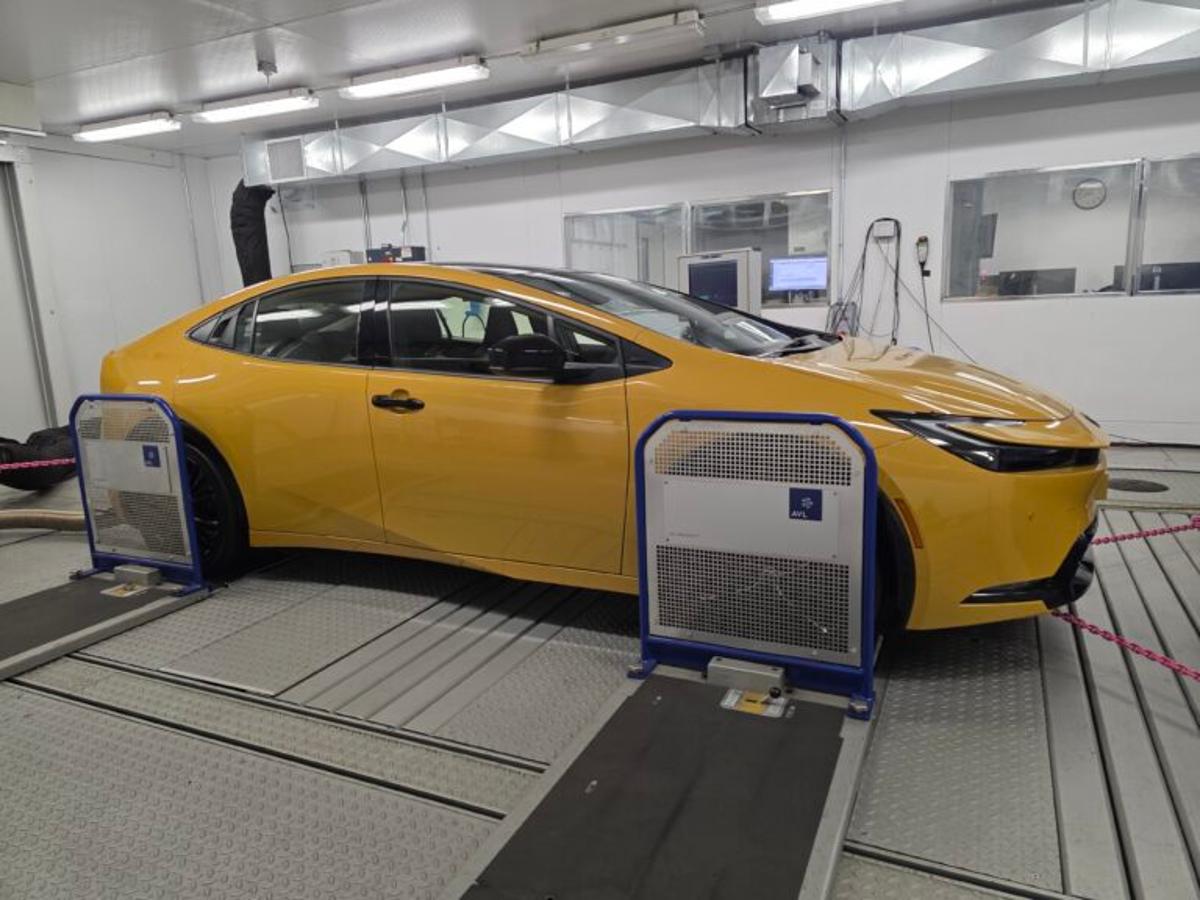
AAA’s recent laboratory tests reveal that temperature extremes are a hidden cost driver for electrified powertrains. By running three hybrids and three EVs on a chassis dynamometer at 20 °F, 75 °F and 95 °F, researchers quantified efficiency drops that translate into real‑world fuel and electricity expenses. The data show that while moderate climates preserve the touted efficiency of EVs, both hot and cold environments erode mileage, with cold weather imposing the steepest penalties—up to a 39% reduction in driving range for EVs.
For consumers, the study reshapes the calculus of total cost of ownership. In frigid conditions, hybrids see a $28 increase per 1,000 mi, whereas EVs face $32 at home and nearly $77 when relying on public chargers. Even in heat, EVs remain cheaper to run at home but become more expensive at public stations. These cost differentials, coupled with a AAA survey indicating that 35% of buyers favor hybrids over EVs due to range anxiety, suggest that charging infrastructure and regional climate will heavily influence market adoption rates.
Automakers are likely to accelerate thermal‑management innovations—such as advanced battery heating systems and more efficient HVAC integration—to mitigate these losses. Policymakers may also consider incentives for home‑charging installations in colder regions, where the cost gap narrows. As the vehicle fleet electrifies, understanding and addressing temperature‑related efficiency will be crucial for achieving both consumer satisfaction and broader emissions goals.
Extreme Temps Reduce Hybrid, EV Efficiency: AAA
Comments
Want to join the conversation?
Loading comments...