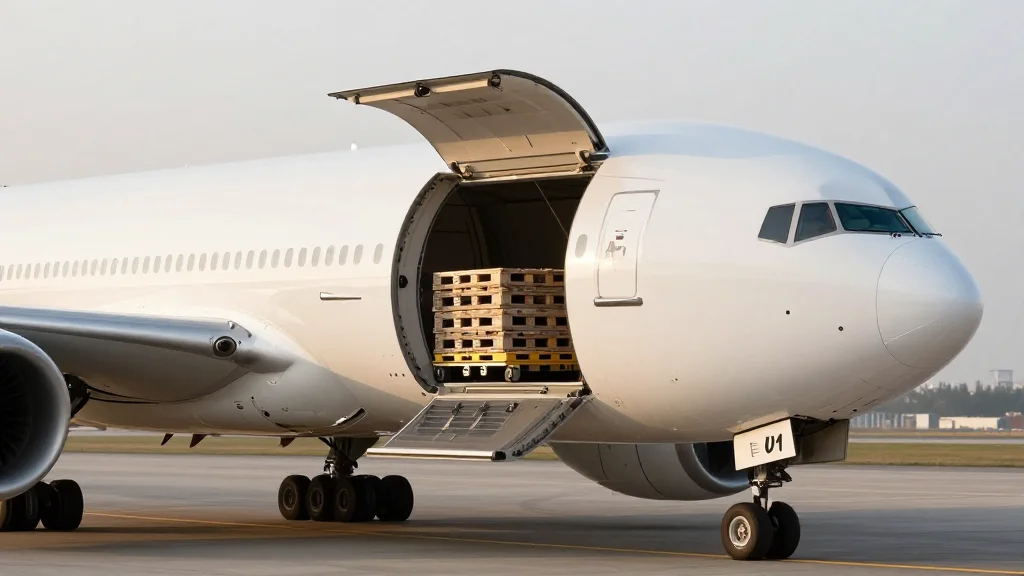
FAA Approves 1st Boeing 777-200 Passenger-to-Freighter Conversion
Companies Mentioned
Why It Matters
The approval unlocks a cost‑effective source of long‑haul freighter capacity just as airlines face a gap in new-built wide‑body cargo planes, supporting growth in global air freight demand.
Key Takeaways
- •FAA certifies Mammoth Freighters' 777‑200 passenger‑to‑freighter conversion.
- •Ethiopian Airlines orders two converted 777‑200s; Jetran buys four for resale.
- •DHL, Qatar Airways, and others reserve slots for the new freighters.
- •Converted 777‑200 offers 116‑ton payload, 4,900 nm range, 18% fuel savings vs 747‑400.
- •Market potential exceeds 250 converted 777s, with limited 777‑200 supply.
Pulse Analysis
The certification of Mammoth Freighters’ 777‑200 passenger‑to‑freighter conversion arrives at a pivotal moment for the air cargo sector. With Boeing’s 767 freighter production winding down in 2027 and next‑generation factory‑built freighters delayed, airlines are scrambling for alternatives that can bridge the capacity gap. Converting existing wide‑body passenger jets offers a faster, cheaper path to market, and the FAA’s approval validates the engineering, safety and performance standards required for commercial operations.
Beyond the immediate customer orders from Ethiopian, DHL and Qatar Airways, the conversion program signals a broader shift toward aftermarket solutions. The 777‑200’s structural design—large fuselage diameter, high payload capability and long range—makes it ideal for dense freight and e‑commerce shipments. Mammoth’s conversion kit, which adds a main‑deck cargo door, reinforced flooring and advanced temperature controls, can be installed in six to eight months, with future efficiencies expected to cut that to under six months as production ramps up. This speed, combined with acquisition costs that are tens of millions of dollars lower than a new freighter, creates a compelling value proposition for carriers and leasing firms.
Looking ahead, the market potential for converted 777s is substantial. Industry analysts estimate more than 250 aircraft could be retrofitted across the 777‑200 and 777‑300 families, with the 777‑200 variant constrained by limited supply of suitable airframes. Mammoth’s plans to secure certification from the European Union Aviation Safety Agency and Qatar’s authority will further open international routes. As global trade rebounds and high‑value, time‑critical shipments rise, the availability of cost‑effective, high‑capacity freighters will be a decisive factor in airlines’ ability to capture freight market share. The certification thus not only expands Mammoth’s addressable market but also reshapes the competitive dynamics of the long‑haul cargo industry.
FAA approves 1st Boeing 777-200 passenger-to-freighter conversion
Comments
Want to join the conversation?
Loading comments...