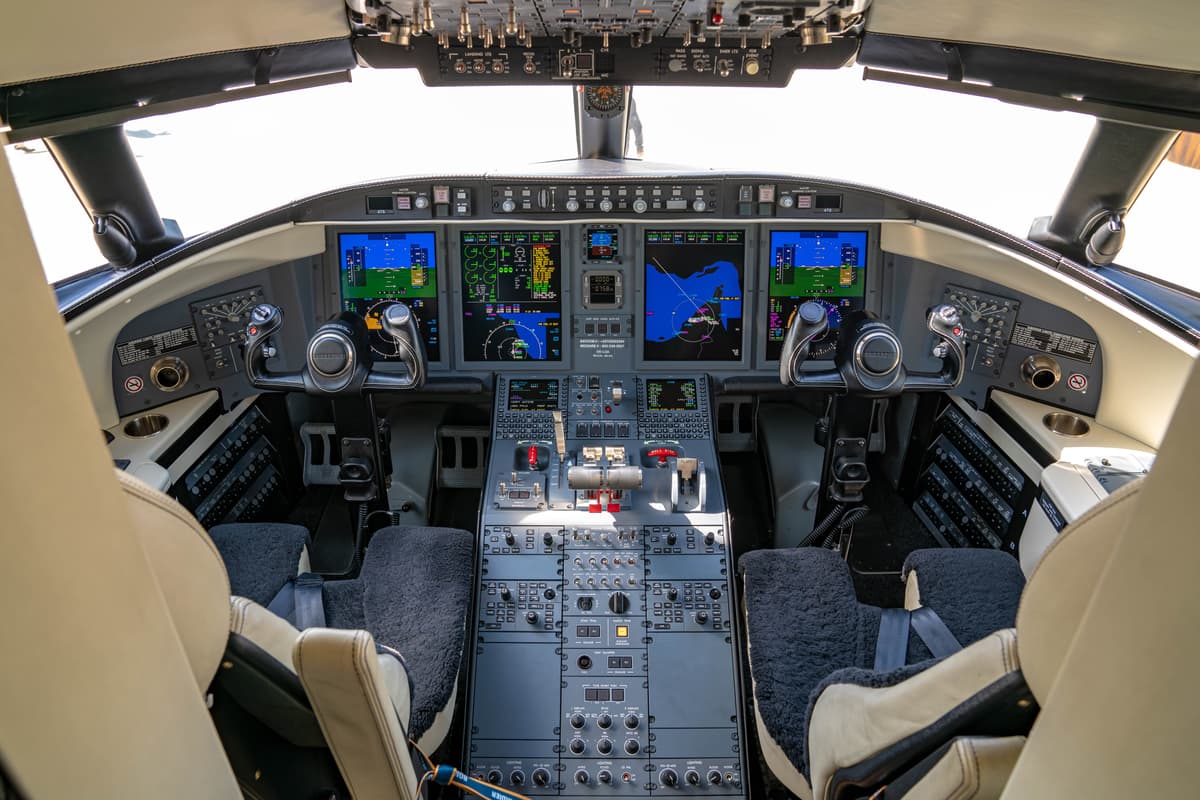
FAA Flags Loss-of-Control Risk From Flap Malfunctions In Bombardier Aircraft
Companies Mentioned
Why It Matters
Uncommanded flap extensions threaten aircraft stability during critical flight phases, so mandatory procedures protect safety and reduce accident risk.
Key Takeaways
- •FAA proposes AD for Bombardier CL‑600 series flaps.
- •Uncommanded flap movement can cause loss‑of‑control in climb.
- •Operators must update AFM and train crews on emergency flap procedures.
- •Comment period ends July 10, 2026; feedback may shape final rule.
- •Transport Canada flagged similar flap issues, underscoring cross‑border safety.
Pulse Analysis
The Federal Aviation Administration’s latest airworthiness directive targets the Bombardier CL‑600 family, a workhorse of corporate and regional aviation. By mandating revisions to the aircraft flight manual, the FAA aims to codify a standardized response to uncommanded flap deployment—a scenario that has already manifested in a Challenger 604 climb incident. While the aircraft recovered safely, the event highlighted a latent vulnerability that could precipitate rapid pitch and speed excursions, especially during high‑energy phases such as take‑off and climb. S.
investigations and Transport Canada findings. At the heart of the issue is a flap‑control subsystem that can move without pilot input or fail to arrest motion, triggering the “Flaps Fail” caution. In practice, a sudden extension changes the wing’s lift distribution, forcing pilots to manage pitch, thrust, and configuration simultaneously—a demanding task under time pressure. The directive’s requirement to embed detailed emergency procedures into the AFM ensures crews receive consistent guidance on power‑adjustment techniques and safe flap retraction. Training programs will likely incorporate simulator scenarios that replicate runaway flap behavior, reducing the probability of human error during an actual event.
Beyond the immediate fleet, the AD underscores the interconnected nature of global aviation oversight. Transport Canada’s earlier identification of similar control‑system anomalies prompted the FAA to act, illustrating how cross‑border data sharing can accelerate risk mitigation. Operators will need to allocate resources for manual updates, crew briefings, and possible hardware inspections, impacting maintenance schedules and operating costs. However, the long‑term benefit—a more resilient fleet capable of handling unexpected aerodynamic disturbances—aligns with industry goals of zero‑incident operations and reinforces confidence among corporate jet users and regulators alike.
FAA Flags Loss-of-Control Risk From Flap Malfunctions In Bombardier Aircraft
Comments
Want to join the conversation?
Loading comments...