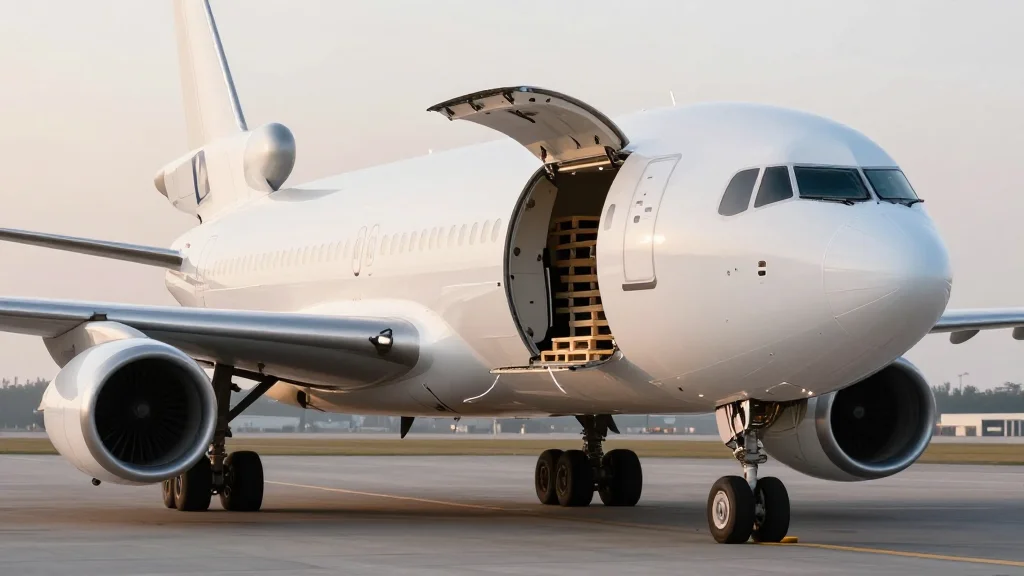
FAA Lifts Ban on MD-11 Freighters, Clearing FedEx’s 29‑plane Fleet for Service

Why It Matters
Lifting the MD-11 ban restores a significant slice of legacy cargo capacity at a time when the air freight market faces chronic aircraft shortages and rising demand. By extending the service life of an existing fleet, FedEx can meet customer expectations without the capital outlay required for new wide‑body acquisitions, preserving cash flow for further network investments. The decision also signals regulatory willingness to approve targeted engineering fixes for older aircraft, a precedent that could influence other carriers grappling with aging fleets. If the MD-11 retrofit proves reliable, it may encourage a broader industry shift toward extending the operational life of legacy freighters, tempering the pressure on new‑plane manufacturers and easing capacity constraints.
Key Takeaways
- •FAA lifts flight ban on MD-11 freighters after approving Boeing’s safety protocol
- •FedEx operates two MD-11 cargo flights on Sunday, the first commercial flights since November
- •FedEx plans to keep its 29 MD-11s in service until 2032 to meet rising cargo demand
- •UPS has retired its MD-11 fleet; Western Global Airlines is now the only U.S. carrier still operating the type
- •The restored MD-11 capacity adds roughly 1,885 metric tons of daily payload, helping offset a 7% YoY rise in air freight demand
Pulse Analysis
The FAA’s green light for the MD-11 is less about nostalgia and more about pragmatic capacity management. With the global air cargo market still reeling from pandemic‑induced demand spikes and a lagging supply of new freighters, airlines are forced to extract every ounce of utility from existing assets. FedEx’s decision to extend the MD-11’s service life to 2032 reflects a calculated trade‑off: the aircraft’s higher fuel burn and maintenance costs are offset by its immediate availability and the relatively low capital expense of the bearing retrofit.
Historically, the MD-11 has been a controversial platform—its handling quirks and early reliability issues earned it a mixed reputation. However, the targeted engineering fix addresses the specific fatigue‑crack problem that led to the UPS crash, and the FAA’s endorsement suggests confidence in the solution’s robustness. If the retrofit performs as expected, it could revive confidence in other legacy freighters, prompting a wave of similar upgrades that would alleviate the current bottleneck in wide‑body cargo capacity.
Looking ahead, the real test will be whether FedEx can scale the retrofit across its entire MD-11 fleet without disrupting service. Successful integration would not only bolster FedEx’s market share in high‑value, time‑critical shipments but also set a benchmark for regulatory and industry collaboration on extending aircraft lifecycles. Conversely, any operational hiccups could reinforce the industry’s shift toward newer, more efficient platforms, accelerating the retirement of older types. The coming months will reveal which path the air cargo sector ultimately follows.
FAA lifts ban on MD-11 freighters, clearing FedEx’s 29‑plane fleet for service
Comments
Want to join the conversation?
Loading comments...