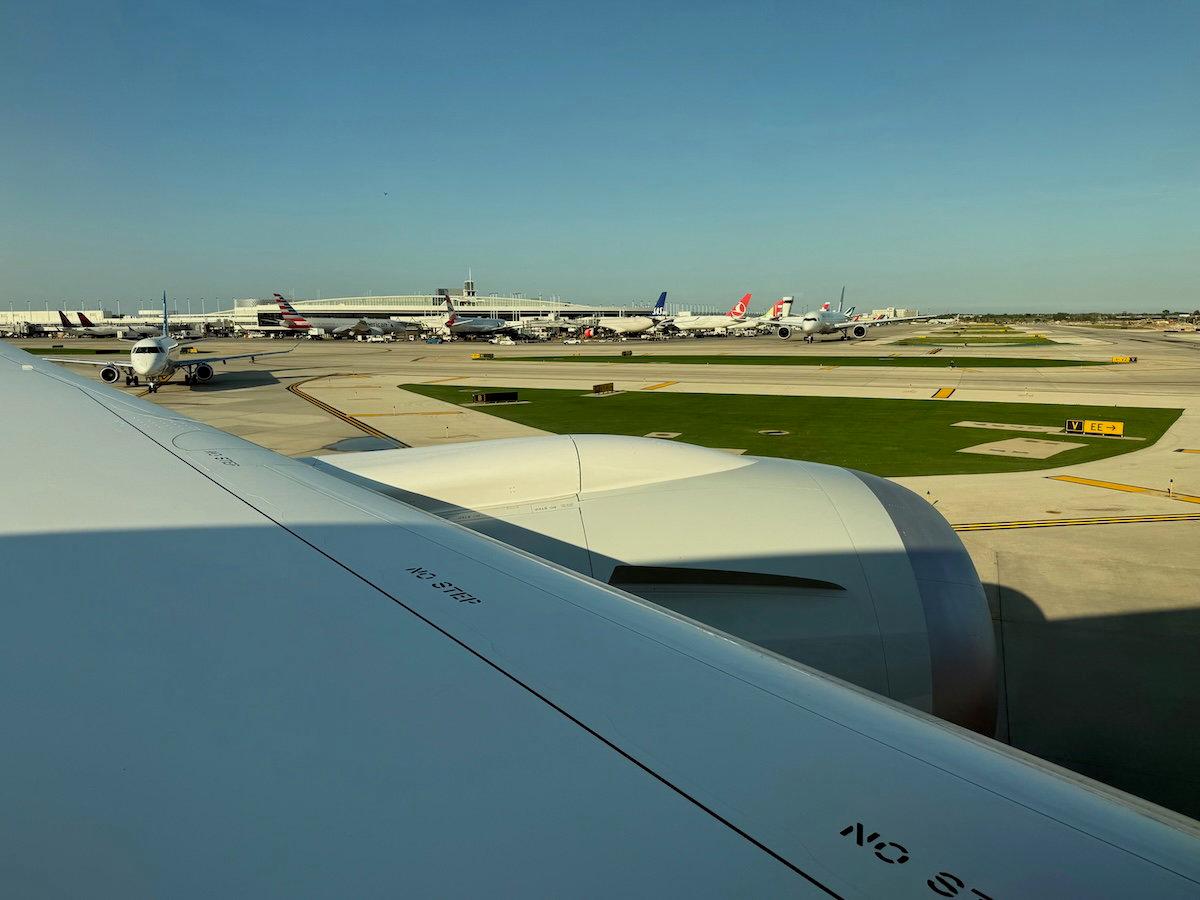
FAA Orders Flight Cuts At Chicago O’Hare: Impact On American & United Battle?
Companies Mentioned
Why It Matters
The caps blunt aggressive capacity expansion, protecting runway safety and preventing unprofitable flights, while leaving the competitive balance between American and United essentially unchanged.
Key Takeaways
- •FAA caps O’Hare peak day ops at 2,708, a 12% reduction
- •Cuts apply May 17‑Oct 24 2026, covering the IATA summer season
- •American and United will lose flights proportionally to 2025 market share
- •Half‑hour slots limited to 30‑84 operations based on demand
- •Competitive dynamics in Chicago remain largely unchanged
Pulse Analysis
The Federal Aviation Administration has moved from a warning to an enforceable order, slashing Chicago O’Hare’s summer 2026 peak‑day schedule by roughly 12 percent. The cap of 2,708 operations, down from the originally projected 3,080, reflects the agency’s assessment that the surge in flights would overwhelm runway capacity, terminal gates and air‑traffic‑control staffing. By imposing 30‑minute slot limits that range from 30 to 84 movements, the FAA aims to create predictable “valleys” in the schedule, reducing taxi‑way bottlenecks that have plagued the airport during peak periods.
The reduction hits both legacy carriers that have been dueling for dominance at ORD. American Airlines and United Airlines will see their added frequencies trimmed in proportion to each airline’s 2025 share, effectively resetting the competitive balance that had been shifting toward United. While the battle for gate allocation spurred a wave of low‑fare options for travelers, the extra capacity was projected to be marginally profitable at best, especially with jet‑fuel prices near historic highs. The FAA’s cap therefore shields the airlines from operating loss‑making flights while preserving on‑time performance.
Beyond Chicago, the O’Hare decision signals a broader regulatory willingness to intervene when hub growth threatens system reliability. Carriers may now re‑evaluate expansion plans at other constrained airports, favoring demand‑driven schedules over aggressive market‑share grabs. For investors, the move underscores the importance of monitoring capacity‑control policies as a factor in airline earnings forecasts. Passengers can expect a steadier flight experience this summer, but the long‑term rivalry between American and United will likely shift to route pricing and service quality rather than sheer volume.
FAA Orders Flight Cuts At Chicago O’Hare: Impact On American & United Battle?
Comments
Want to join the conversation?
Loading comments...