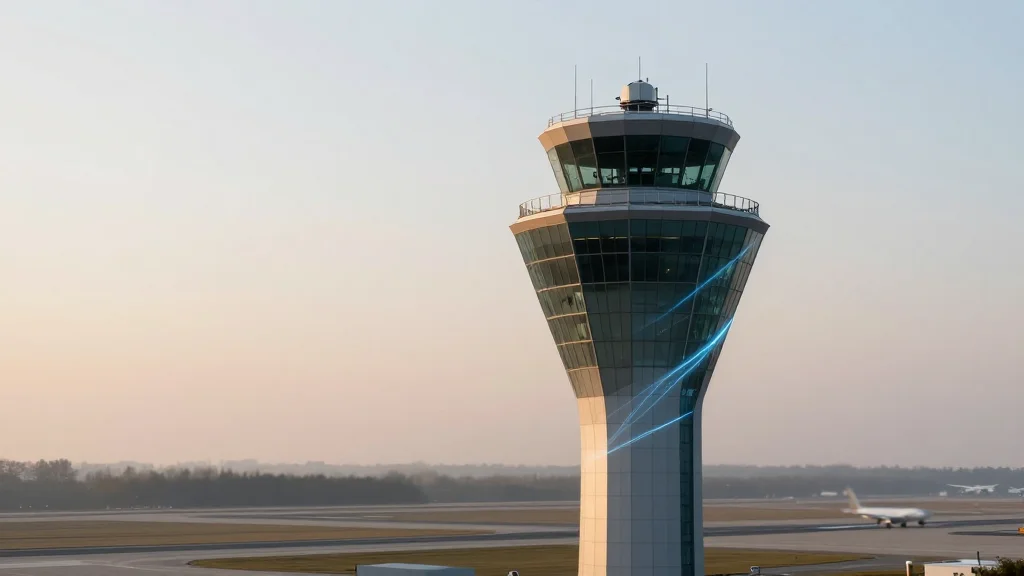
FAA Turns To AI To Help Improve Flight Safety And Air Traffic Control
Why It Matters
By surfacing hazards earlier and optimizing traffic flows, AI can boost flight safety and reduce costly delays while helping the FAA meet its modernization and staffing objectives.
Key Takeaways
- •AI assists FAA in proactive safety risk identification.
- •New radar separation rules stem from AI accident analysis.
- •Modern Skies invests $12.5 billion in NAS technology upgrades.
- •Staffing goal: 12,563 certified controllers by 2026‑27.
- •AI tools remain decision‑support, not replacements for pilots.
Pulse Analysis
The FAA’s recent AI rollout reflects a broader shift in aviation toward data‑centric safety management. Rather than automating cockpit or tower functions, the agency is using machine‑learning models to sift through massive streams of operational data, flagging emerging risks before they manifest as incidents. This analytical layer enhances the existing Safety Management System, enabling regulators to issue targeted mitigations—such as the newly mandated radar‑based separation for helicopters—more quickly and with greater precision.
AI’s role is tightly coupled with the Modern Skies initiative, a historic $12.5 billion investment aimed at replacing aging navigation and communication infrastructure. As newer sensors and digital platforms come online, AI algorithms can simulate traffic scenarios, optimize routing, and improve situational awareness across the National Airspace System. The technology also helps address a chronic staffing bottleneck; with only about 11,000 certified controllers and a two‑year certification pipeline, AI‑assisted planning can stretch existing human resources while the FAA works toward its target of 12,563 certified professionals.
For airlines, passengers and industry stakeholders, the move signals a proactive safety culture rather than a disruptive automation wave. The FAA’s emphasis on certification and performance measurement ensures that AI tools meet rigorous aviation standards before they influence real‑time operations. As the agency refines these capabilities, the sector can expect smoother flight paths, fewer delays, and a more resilient air‑traffic network—benefits that reinforce confidence in U.S. aviation’s safety and efficiency.
FAA Turns To AI To Help Improve Flight Safety And Air Traffic Control
Comments
Want to join the conversation?
Loading comments...