Fadillah: EV Adoption in Malaysia Grows; 94,165 Units Since 2018
Why It Matters
The rapid growth underscores Malaysia’s transition toward a low‑carbon transport sector, attracting global automakers and investors while bolstering energy independence. Policy momentum positions the country as a regional EV hub.
Key Takeaways
- •94,165 BEVs sold in Malaysia since 2018, showing consistent growth
- •National EV Steering Committee convened to streamline industry policies
- •EVs framed as essential for investment, competitiveness, and energy security
- •Government seeks coordinated, high‑impact actions to boost local EV ecosystem
Pulse Analysis
Malaysia’s electric‑vehicle (EV) market is gaining traction, with cumulative battery‑electric vehicle (BEV) registrations hitting 94,165 units since 2018. While still modest compared with China or Europe, the figure represents a compound annual growth rate that outpaces many Southeast Asian peers. The surge is driven by a mix of consumer incentives, expanding charging infrastructure, and heightened awareness of climate goals, positioning Malaysia as an emerging EV market in the region.
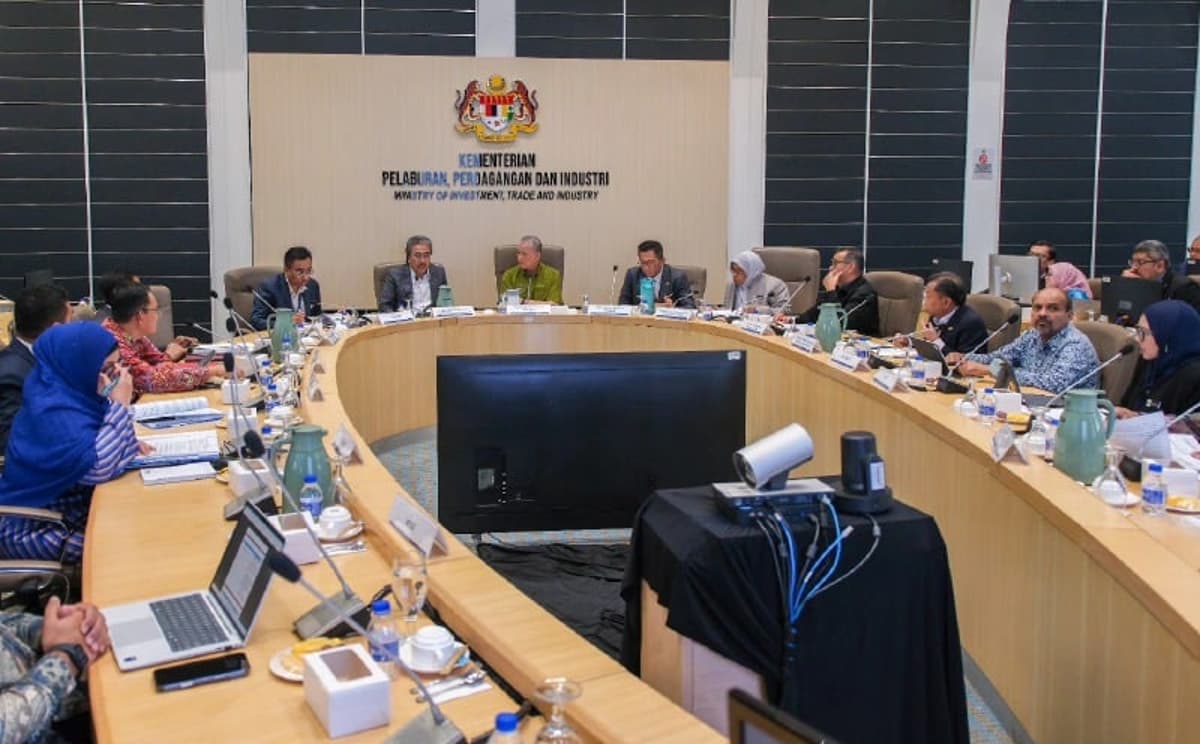
Policy leadership is now crystallizing around the National EV Steering Committee (NEVSC), chaired by Deputy Prime Minister Datuk Seri Fadillah Yusof. In the first NEVSC meeting of 2026, officials outlined a roadmap that links EV adoption to broader objectives such as industrial competitiveness, energy security, and water transformation. By aligning regulatory frameworks, fiscal incentives, and supply‑chain development, the committee aims to create a cohesive ecosystem that can attract foreign OEMs, stimulate local component manufacturing, and reduce reliance on imported fuels.
For investors and manufacturers, the government’s coordinated push signals a more predictable environment. Anticipated measures include tax breaks for BEV purchases, subsidies for charging stations, and incentives for domestic battery production. These steps could lower total cost of ownership, accelerate fleet electrification, and unlock new export opportunities for Malaysian‑made EV components. As the ecosystem matures, stakeholders can expect a ripple effect across logistics, energy, and technology sectors, reinforcing Malaysia’s ambition to become a regional hub for sustainable mobility.
Fadillah: EV adoption in Malaysia grows; 94,165 units since 2018
Comments
Want to join the conversation?
Loading comments...