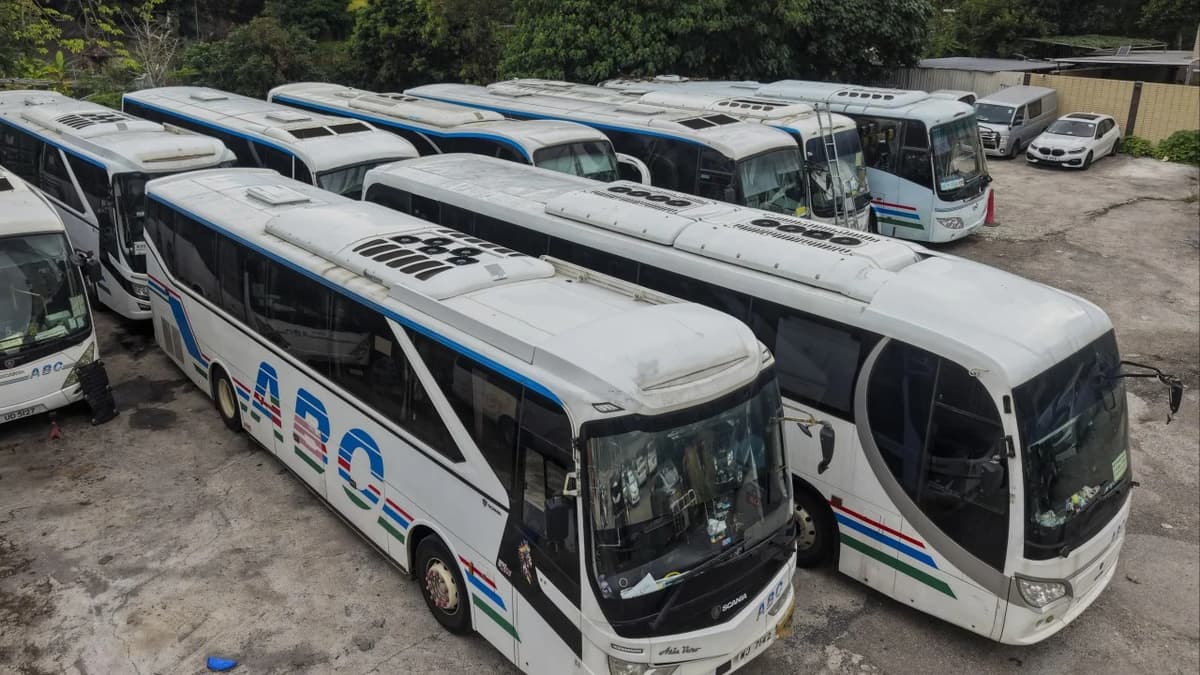
Failed Bus Cuts ‘Tip of Iceberg’ as Fuel Costs Soar, Hong Kong Lawmakers Warn
Why It Matters
The situation threatens Hong Kong's public‑transport reliability and could intensify traffic congestion, urging immediate policy intervention.
Key Takeaways
- •Fuel prices doubled since US‑Israel strike on Iran
- •ABC Touring cuts Tuen Mun routes, citing loss‑making operations
- •Lawmakers demand faster fare‑adjustment approvals and subsidies
- •Potential service cuts could increase road congestion and MTR crowding
- •Government urged to examine diesel supply chain and intervene
Pulse Analysis
Rising global oil prices have become a strategic concern for Hong Kong’s transport sector. Since the February 28 strikes in the Middle East, the cost of "red oil" diesel—used by ferries, construction, and many bus operators—has roughly doubled. This price shock has eroded profit margins for non‑franchised operators, forcing them to contemplate service reductions despite regulatory notice requirements. The volatility underscores the city’s dependence on imported fuel and highlights the need for a coordinated response to stabilize supply costs.
Local bus operators are now confronting a double bind: soaring input costs and a cumbersome fare‑adjustment process. While the Transport Department can approve fare hikes, the application timeline often lags behind market realities, leaving companies to absorb losses. Legislators have pointed to Japan, Indonesia, South Korea, and Australia, which have deployed temporary fuel subsidies or tax cuts to cushion similar shocks. Accelerating fare‑adjustment approvals and offering targeted subsidies could preserve essential point‑to‑point routes, preventing a cascade of service cuts that would strain commuters.
The broader implications extend beyond individual bus lines. Reduced bus frequencies risk pushing commuters toward private cars, aggravating congestion on Tuen Mun Road and the Tai Lam Tunnel, and overloading the already crowded MTR Tuen Ma line. Recognizing diesel as a strategic commodity, the government could intervene by scrutinizing import pricing, capping profit margins, or negotiating bulk purchases with the central authorities. Prompt policy measures would safeguard transport accessibility, mitigate traffic snarls, and maintain Hong Kong’s reputation for efficient public mobility.
Failed bus cuts ‘tip of iceberg’ as fuel costs soar, Hong Kong lawmakers warn
Comments
Want to join the conversation?
Loading comments...