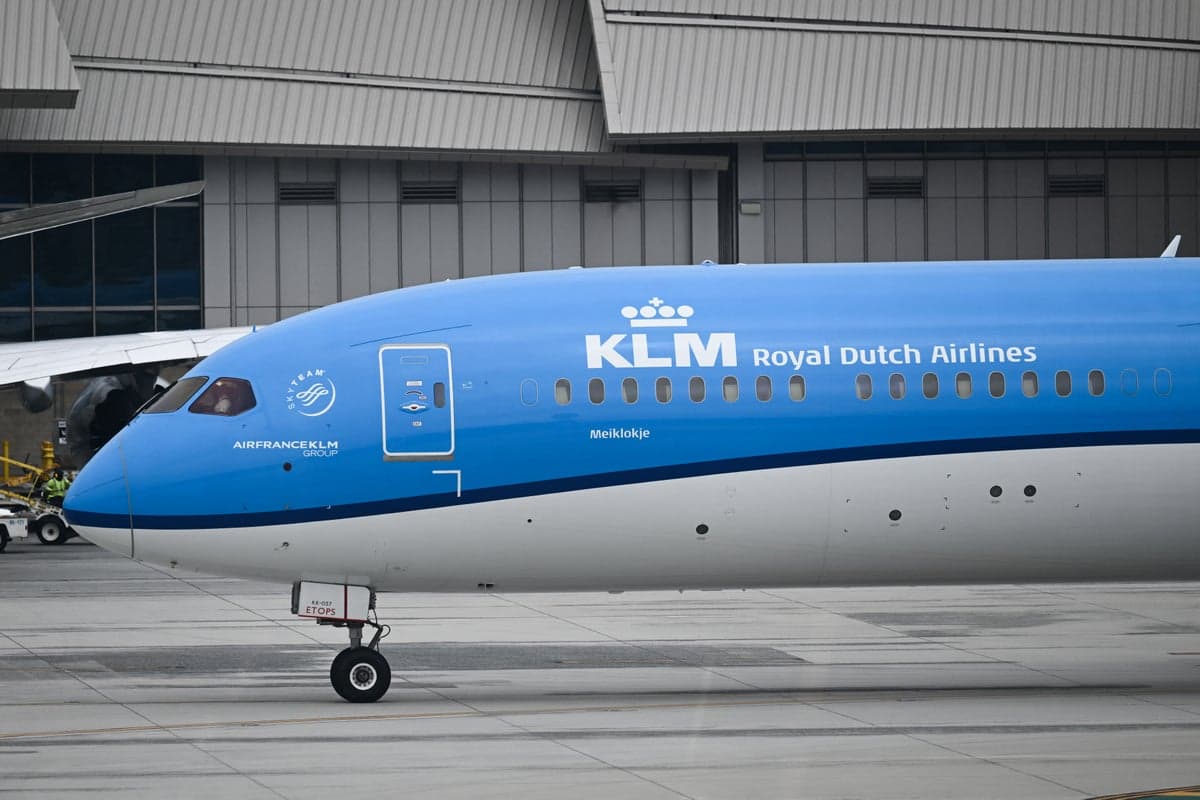
Family Spends £40,000 on Business-Class Flights to Peru Before Being Denied Boarding by KLM
Why It Matters
The ruling spotlights airline liability for travel‑document verification and sets a precedent for consumer protection against costly boarding denials, potentially reshaping industry compliance standards.
Key Takeaways
- •Family spent £40,000 (~$48k) on eight round‑trip business tickets.
- •KLM denied boarding over alleged missing Peruvian visa despite valid documents.
- •Karnataka court ordered police to register criminal case against KLM executives.
- •Incident sparked broader scrutiny of airline visa‑check procedures worldwide.
- •Refund claim and legal fight lasted two years, ending in court ruling.
Pulse Analysis
The high‑profile dispute began when the Sathishkumar family booked premium seats for a two‑week Peruvian vacation, only to be stopped at Bengaluru airport. Their claim centered on a misinterpretation of Peru’s visa‑exempt policy for Indian nationals holding visas from the US, UK, Australia or Schengen zones. After months of protest and a protracted legal effort, the Karnataka court’s directive to register a criminal case against KLM’s chief officers marks an unusual escalation, reflecting the family’s demand for accountability and full reimbursement.
Airlines are obligated to enforce immigration regulations, yet the KLM episode reveals a gray area where carrier diligence can clash with passenger expectations. Visa verification systems often rely on automated checks that may not capture nuanced bilateral agreements, leading to costly errors. KLM’s public statement emphasized regulatory compliance, but the court’s intervention suggests that airlines must also ensure transparent communication and verify that their staff correctly interpret entry rules. This incident could prompt carriers to invest in more sophisticated compliance tools and staff training to avoid similar liabilities.
For the broader travel sector, the case serves as a cautionary tale about the financial and reputational risks of boarding denials. Consumers are increasingly aware of their rights, and legal precedents that hold airlines criminally liable may drive industry-wide reforms. Expect tighter scrutiny of ticket‑sale processes, clearer pre‑flight documentation guidelines, and possibly new regulatory oversight to protect passengers from avoidable losses. The outcome may also influence how airlines handle disputes, encouraging more proactive refunds and dispute‑resolution mechanisms to preserve customer trust.
Family spends £40,000 on business-class flights to Peru before being denied boarding by KLM
Comments
Want to join the conversation?
Loading comments...