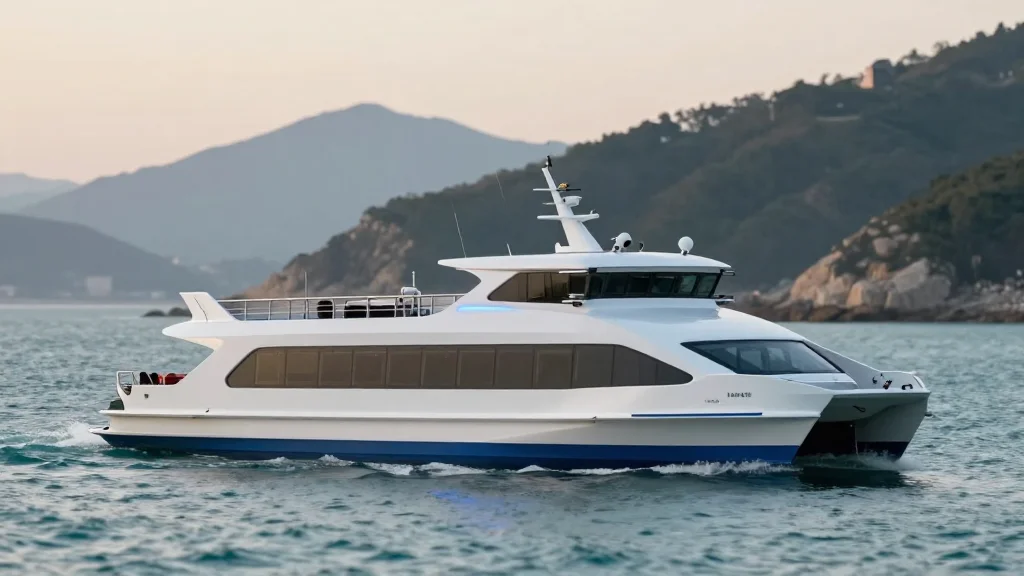
Fast Hydrofoils, Floating Logs, & Canada’s Ferry Electrification Challenge
Companies Mentioned
Why It Matters
Electrifying ferries reduces emissions on a massive, under‑served network, while the hydrofoil debate highlights the operational realities that shape Canada’s broader decarbonisation timeline.
Key Takeaways
- •Canada operates ~155‑160 ferries; only a few are fully electric
- •Battery‑hybrid Island Class vessels are already in BC service and expanding
- •Hydrofoil routes require debris‑free waters and limited wildlife restrictions
- •Vancouver‑Bowen‑Gibsons hydrofoil faces realistic load‑factor and speed challenges
- •Electrification succeeds when vessels and terminals are engineered together
Pulse Analysis
Canada’s ferry landscape is far larger than most headlines suggest, encompassing roughly 155‑160 vessels across more than 180 routes. While the marquee image of a sleek electric hydrofoil captures public imagination, the substantive shift is occurring through incremental upgrades: Toronto’s Marilyn Bell ferry already runs on 100 % lithium‑ion power, BC Ferries operates six battery‑hybrid Island Class vessels and is adding four more, and larger diesel‑battery hybrids slated for delivery from 2029 are built with all‑electric readiness in mind. This systematic approach leverages the repetitive duty cycles and fixed terminals that make ferries ideal candidates for battery integration, delivering measurable emissions cuts without waiting for breakthrough technologies.
Hydrofoils promise dramatic speed gains by lifting the hull out of the water, yet their niche is narrow. Successful operation demands clear waterways, minimal floating debris, and limited wildlife interaction—conditions that BC’s coastal waters often lack. The Pacific coast is riddled with logs, deadheads, and seasonal swells, while stringent marine‑mammal protection zones impose speed caps and routing constraints. These factors erode the projected 70‑minute Vancouver‑to‑Gibsons crossing, turning a high‑speed promise into a more modest, schedule‑sensitive service. Moreover, achieving a 1,000‑passenger daily target with a 150‑seat vessel requires high load factors and frequent trips, a demanding model for a startup navigating regulatory, infrastructure, and seasonal demand variables.
The broader lesson for Canadian maritime decarbonisation is clear: success lies in aligning vessel design, charging infrastructure, and route characteristics rather than chasing singular, glamorous concepts. Hybrid‑electric ferries that can switch seamlessly between diesel and battery power provide immediate emissions benefits while preserving operational flexibility. As policy incentives tighten and the economics of battery storage improve—evidenced by roughly eight‑year payback periods on comparable projects—more routes will transition to full electric. Hydrofoils will likely remain a specialized option for protected urban corridors, whereas the bulk of Canada’s ferry network will evolve through pragmatic, system‑wide electrification strategies.
Fast Hydrofoils, Floating Logs, & Canada’s Ferry Electrification Challenge
Comments
Want to join the conversation?
Loading comments...