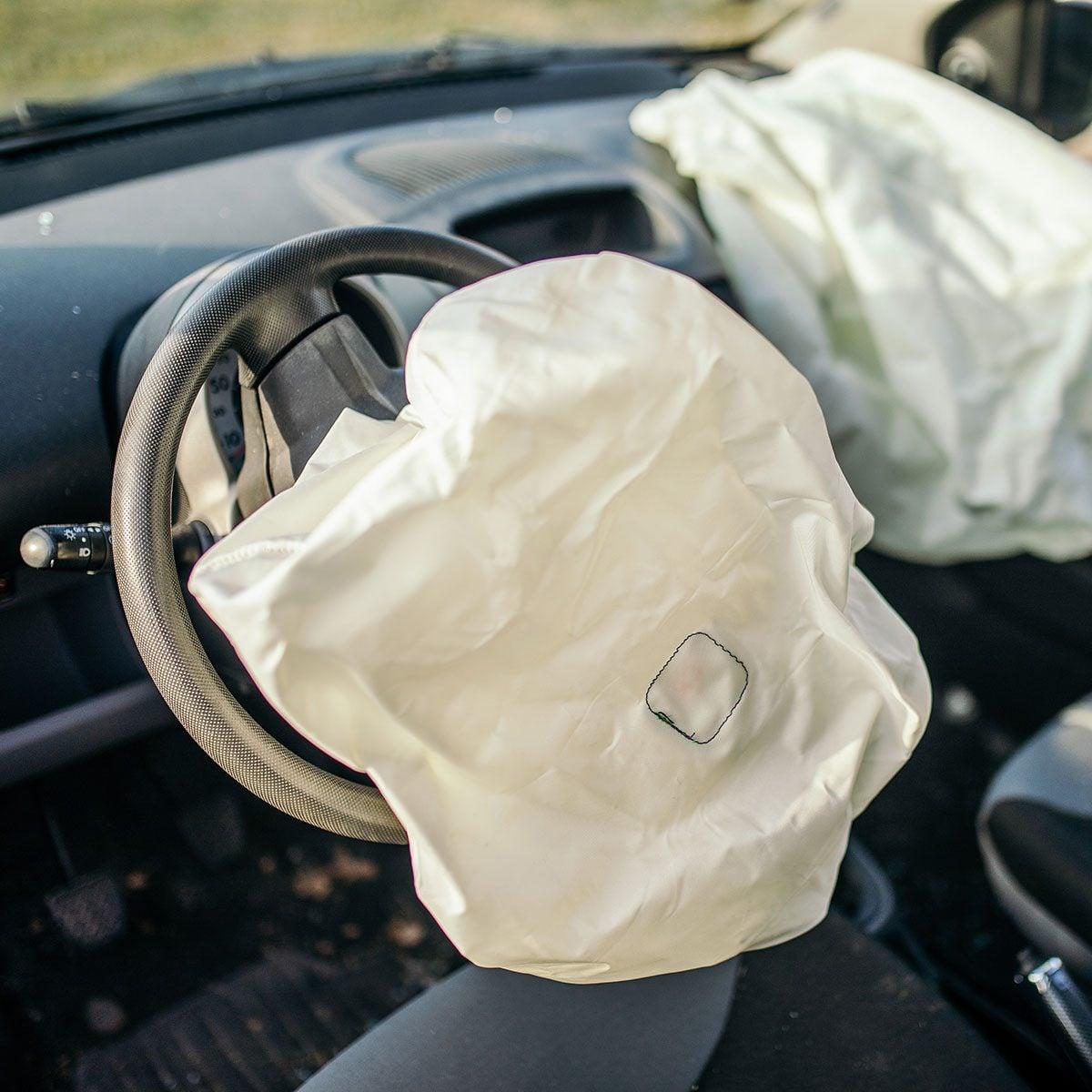
Faulty Air Bags Found in Hyundai and Chevrolet Cars Banned After Deadly Explosions
Why It Matters
The defective inflators pose a direct threat to driver safety and could trigger sweeping regulatory action that impacts manufacturers, importers, and the broader automotive supply chain.
Key Takeaways
- •12 crashes linked to DTN inflators caused ten deaths
- •Affected models include Chevrolet Malibu and Hyundai Sonata
- •NHTSA may ban U.S. sales of the defective inflators
- •Owners should verify inflator authenticity and replace suspect units
Pulse Analysis
Air‑bag inflators are a critical component of modern vehicle safety systems, designed to deploy rapidly and protect occupants during a crash. In recent years, a surge of low‑cost, counterfeit inflators from overseas—particularly China—has raised alarms among safety regulators. These counterfeit units often use substandard propellant mixtures that can over‑pressurize, causing the metal housing to explode rather than gently inflate the bag. The issue resurfaced with the DTN inflators, which have already been linked to multiple fatalities, underscoring the persistent vulnerability of the supply chain to illicit parts.
The NHTSA’s latest investigation highlights twelve crashes where DTN‑manufactured inflators ruptured, sending shrapnel into drivers’ chests, necks, and faces. Ten of those incidents resulted in death, and all involved Chevrolet Malibu or Hyundai Sonata models, though the agency cannot yet confirm the problem is limited to those makes. By moving toward a permanent ban on U.S. sales of these inflators, regulators aim to eliminate the dangerous components before they reach consumers. The agency also advises owners of used vehicles to obtain a vehicle‑history report and have any previously deployed airbags inspected by a qualified mechanic to ensure genuine replacement parts are installed.
For automakers and parts distributors, the potential ban signals a need to tighten supplier vetting and enhance traceability of safety‑critical components. Consumers should act promptly: obtain a detailed history report, request an inspection of the air‑bag system, and replace any suspect inflator with an OEM‑approved unit. As the NHTSA continues its inquiry, the industry may see stricter import controls and heightened scrutiny of aftermarket parts, ultimately reinforcing the safety net that airbags provide to drivers across the United States.
Faulty Air Bags Found in Hyundai and Chevrolet Cars Banned After Deadly Explosions
Comments
Want to join the conversation?
Loading comments...