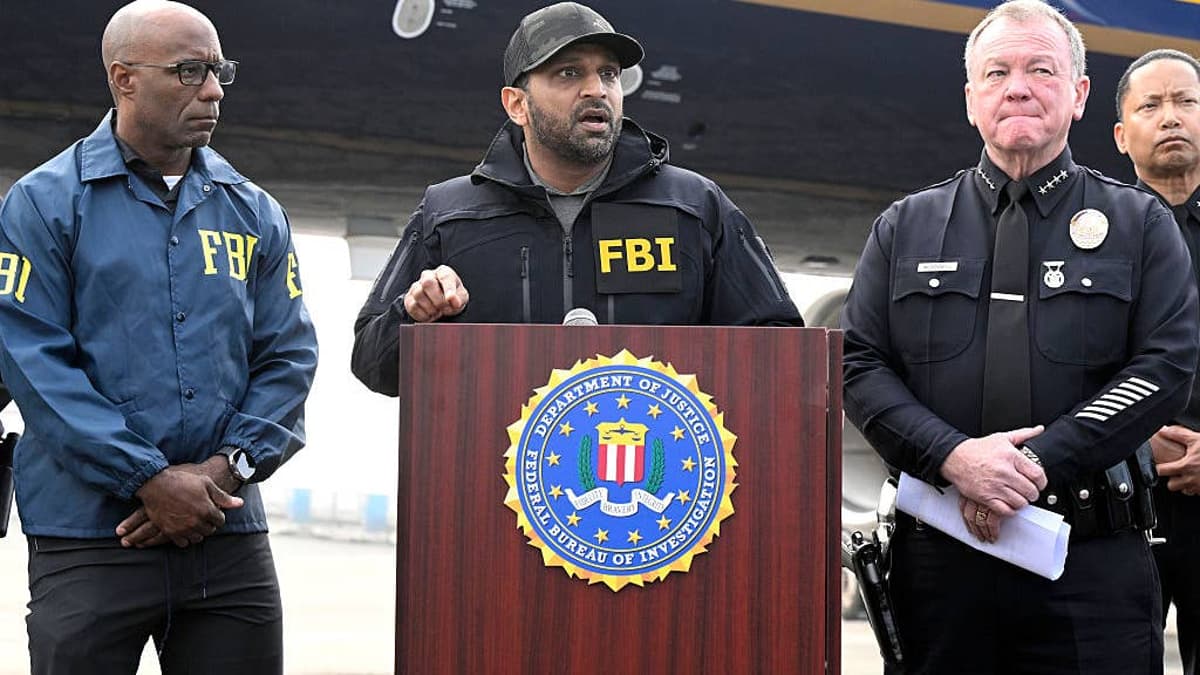
FBI Pittsburgh Issues Statement on ‘Onboard Threat’ During New York-Bound Flight
Why It Matters
The incident highlights the critical role of rapid federal response in averting potential aviation security crises and underscores ongoing challenges airlines face in managing in‑flight threats, which can disrupt operations and erode passenger confidence.
Key Takeaways
- •United Flight 2092 diverted to Pittsburgh after onboard threat
- •FBI bomb technicians and agents secured aircraft, evacuated passengers
- •All 159 passengers deplaned safely; no injuries reported
- •Airport stays open, but heightened security presence continues
- •Investigation ongoing; United hasn't set new departure time
Pulse Analysis
Airline security protocols have evolved dramatically since the early 2000s, yet incidents like the United Flight 2092 diversion remind the industry that threats can still emerge mid‑flight. Federal agencies, particularly the FBI’s bomb technician units, are trained to assess and neutralize potential explosives within minutes, minimizing risk to passengers and crew. The swift coordination between the airline, airport authorities, and law‑enforcement agencies in Pittsburgh illustrates a model response that prioritizes safety while preserving the integrity of the broader air‑traffic network.
The presence of FBI special agents and bomb technicians on the tarmac underscores the seriousness with which any reported threat is treated. By evacuating all 159 occupants without injury and securing the aircraft in a designated secure area, authorities prevented a possible escalation that could have led to flight cancellations, costly delays, and reputational damage for United Airlines. Moreover, keeping Pittsburgh International Airport operational despite the incident demonstrates the resilience of major hubs to absorb security disruptions without halting passenger flow, a key factor for airlines and travelers alike.
For the aviation sector, this event may prompt a reassessment of onboard threat detection and reporting mechanisms. Airlines could invest further in real‑time communication tools for crew members to alert ground authorities instantly. Regulators might also tighten guidelines on cargo screening and passenger screening procedures, especially on high‑traffic routes between major cities. Ultimately, the incident reinforces the need for continuous collaboration between carriers, federal agencies, and airport operators to safeguard the skies while maintaining confidence in commercial air travel.
FBI Pittsburgh Issues Statement on ‘Onboard Threat’ During New York-Bound Flight
Comments
Want to join the conversation?
Loading comments...