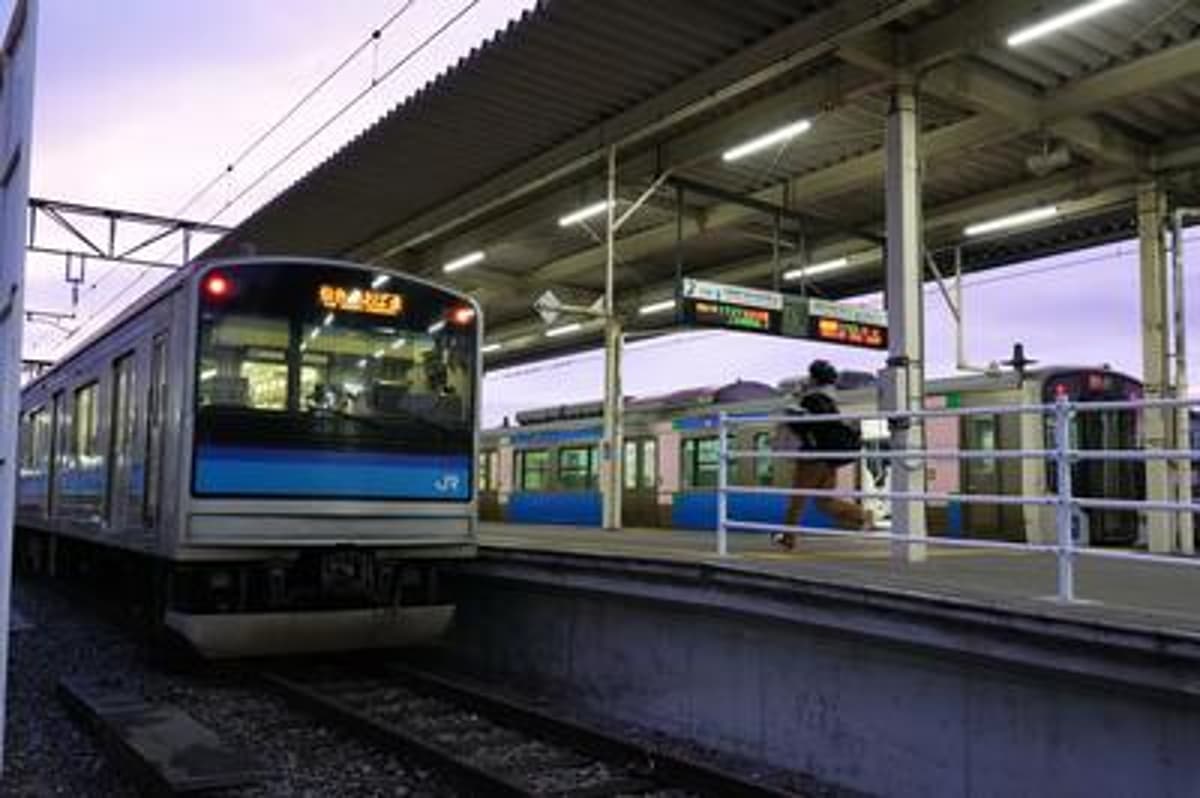
FEATURE: Beloved Station Melodies Fade as JR East Pursues Cost Cuts
Why It Matters
The loss of unique station sounds erodes local brand identity and passenger sentiment, while highlighting the rail industry’s push toward automation and operational efficiency.
Key Takeaways
- •JR East eliminates conductor‑triggered melodies
- •Standardized tones replace local station songs
- •One‑man operation driven by staff shortages
- •Community nostalgia grows over lost cultural sounds
- •Cost cuts may affect brand differentiation
Pulse Analysis
Station departure melodies have long been a subtle yet powerful way for Japanese railways to embed local identity into daily commutes. Composed by regional artists or tied to municipal anthems, these short tunes turn a routine platform into a cultural touchpoint. JR East’s recent timetable revisions, however, prioritize safety and efficiency by moving to driver‑only operation, which eliminates the need for conductors to manually activate the music. This technical shift enables uniform broadcasting systems but also removes the infrastructure that supported diverse, locally‑sourced soundscapes.
For passengers, the quiet platforms signal more than a procedural update; they represent the fading of a shared auditory heritage. In Kawasaki, a capsule toy reproduces the former city‑anthem melody, while Ishinomaki’s 2002 composition still resonates with residents who use it as personal ringtones. Such attachments illustrate how sound design can reinforce place‑based branding and community pride. The standardization of tones may streamline operations, yet it risks homogenizing the travel experience, potentially diminishing rider satisfaction and weakening the emotional connection to stations.
JR East’s strategy mirrors a global trend in rail transport: leveraging technology to cut labor costs amid chronic staffing shortages. By consolidating audio cues into a single, driver‑controlled system, the company reduces maintenance complexity and aligns with safety‑first protocols. Nonetheless, operators could explore hybrid solutions—such as programmable digital playlists that retain local flavor without requiring on‑site staff. Balancing fiscal prudence with cultural stewardship will be crucial as railways navigate the twin pressures of efficiency and passenger experience in the coming decade.
FEATURE: Beloved station melodies fade as JR East pursues cost cuts
Comments
Want to join the conversation?
Loading comments...