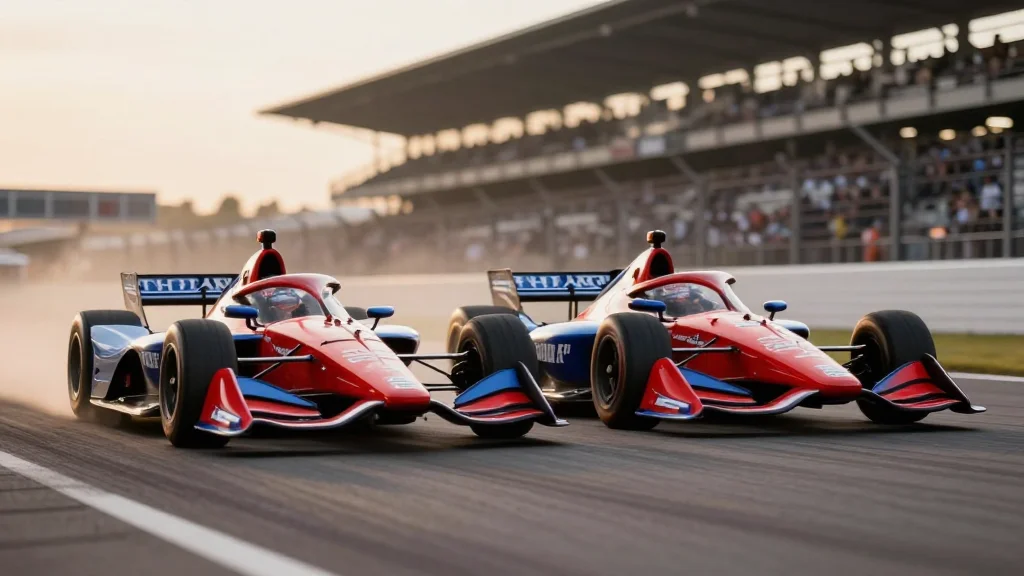
Felix Rosenqvist Beats David Malukas by 0.023 Seconds in Closest Indy 500 Finish Ever

Companies Mentioned
Why It Matters
The record‑tight finish at Indianapolis underscores how marginal gains—whether in aerodynamics, tire strategy, or driver composure—can decide the sport’s biggest prize. For teams, the result validates Meyer Shank Racing’s investment in data‑driven setups and high‑profile sponsorships, signaling that newer outfits can compete with legacy powerhouses. For the broader transportation ecosystem, the spectacle highlights the continuing relevance of high‑speed, high‑visibility motorsports as a testbed for technologies that eventually filter down to consumer vehicles, from hybrid power units to advanced telemetry. The emotional narrative—Rosenqvist’s recent fatherhood paired with a historic win—adds a human dimension that resonates with fans and sponsors alike. It reinforces the marketability of drivers as brand ambassadors, a trend that could shape future partnership models across the automotive and mobility sectors.
Key Takeaways
- •Felix Rosenqvist won by 0.0233 seconds, the closest margin in Indy 500 history.
- •The victory was Rosenqvist's second IndyCar win and first on an oval.
- •David Malukas finished second, expressing disappointment with a quote: “I just don’t know what else we could have done.”
- •Meyer Shank Racing secured its second 500 win, boosting its brand visibility through music‑themed sponsorships.
- •The finish sparked a 42% surge in Indy 500 social media mentions within an hour of the race.
Pulse Analysis
Rosenqvist’s win illustrates a shifting competitive balance in IndyCar, where driver talent and strategic acumen can outweigh raw budget differentials. Meyer Shank Racing’s ascent reflects a broader democratization of resources: advanced simulation tools and data analytics are now accessible to smaller teams, eroding the historical dominance of legacy outfits like Penske and Chip Ganassi. This trend could accelerate as manufacturers pour more R&D into electric and hybrid powertrains, offering smaller teams a technology shortcut.
The sub‑0.03‑second margin also raises questions about race‑control policies. As finishes become tighter, the risk of post‑race disputes over timing accuracy grows, potentially prompting the series to invest in even higher‑resolution timing systems. Moreover, the emotional storyline—new fatherhood fueling performance—offers a compelling narrative hook for broadcasters and sponsors, suggesting that future marketing strategies will lean heavily on personal driver stories to deepen fan engagement.
Looking ahead, the championship battle will likely hinge on how quickly teams translate the data from this race into actionable improvements. If Meyer Shank can replicate its aerodynamic efficiency and pit‑stop precision, it may challenge for the season title, forcing traditional powerhouses to innovate faster. Conversely, Penske’s response—whether through engineering upgrades or driver development—will determine if the close finish is an outlier or the new norm in a sport where fractions of a second dictate fortunes.
Felix Rosenqvist Beats David Malukas by 0.023 seconds in Closest Indy 500 Finish Ever
Comments
Want to join the conversation?
Loading comments...