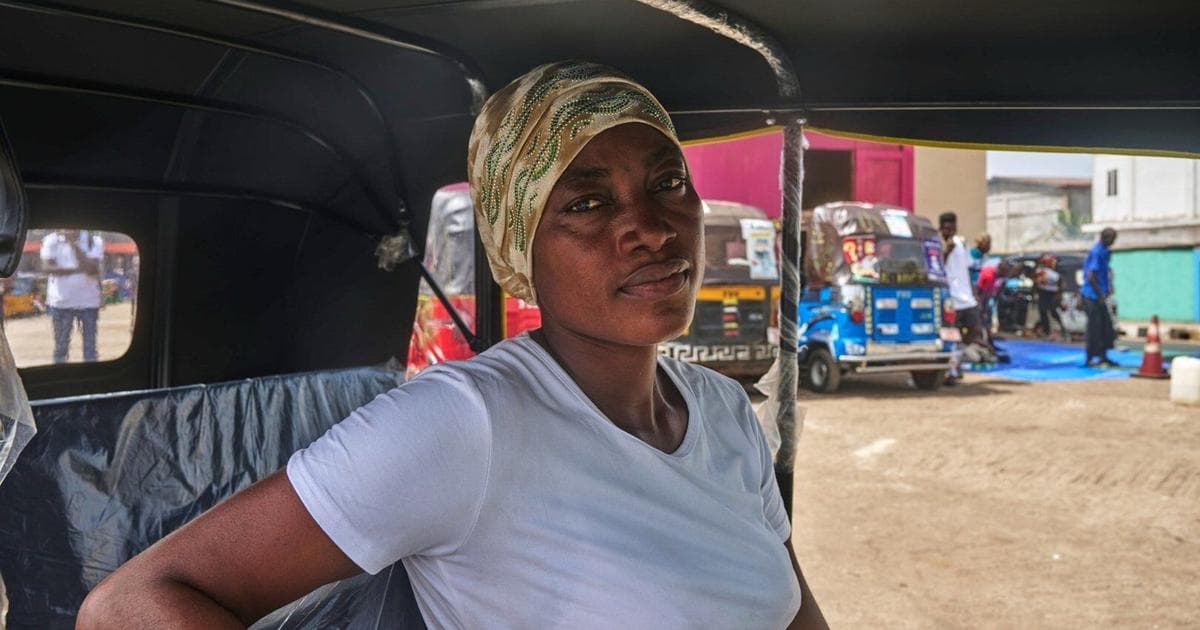
Female Rickshaw Drivers in Sierra Leone Rise Above Stigma to Earn a Living and Empower Women
Why It Matters
Women’s entry into the kekeh market creates new pathways to economic independence and challenges entrenched gender norms, signaling broader social change in West Africa’s informal economies.
Key Takeaways
- •Women now represent ~2% of Kekeh Riders Union members
- •Female drivers earn about $7 daily, surpassing many local wages
- •Riders report female operators are perceived as safer by commuters
- •Training and loan programs are being piloted to boost women participation
- •Government support could unlock larger market share for women drivers
Pulse Analysis
Freetown’s rapid urban growth has outpaced its aging public‑transport infrastructure, prompting commuters to turn to motorized three‑wheelers called kekeh. Historically a male‑only trade, the sector’s low entry costs and flexible routes make it an attractive solution for a city of 1.5 million residents. Yet cultural expectations have long barred women from the cockpit, reinforcing broader gender disparities in Sierra Leone’s labor market. Recent visibility of female drivers is reshaping perceptions, showing that safety and reliability can be delivered by anyone willing to master the vehicle.
Economic empowerment is the most tangible benefit of this shift. A typical driver such as Hawa Mansaray must generate roughly $14 in daily revenue to meet union requirements, yet she retains about $7 in earnings—enough to cover household expenses and outpace many informal jobs. For single mothers and women exiting low‑paid petty trade, the income provides a reliable cash flow and reduces dependence on male household heads. Moreover, female operators report higher commuter satisfaction, reinforcing demand for their services and creating a virtuous cycle of earnings, reputation, and community support.
Policy makers and unions are now key to scaling the trend. The Kekeh Riders Union, with over 1,000 members, is actively recruiting women and advocating for micro‑loans and targeted training programs. Stakeholders argue that government subsidies or credit guarantees could lower the capital barrier that currently limits female participation. If such measures succeed, women could capture a larger share of the informal transport market, driving inclusive growth and setting a precedent for other West African cities grappling with similar mobility and gender challenges.
Female rickshaw drivers in Sierra Leone rise above stigma to earn a living and empower women
Comments
Want to join the conversation?
Loading comments...